Chrysler's sub-$30K SUVs are the right bet, if the sticker isn't bait
Stellantis is promising two Chrysler crossovers under $30,000 in a market priced out of new cars. The idea is smart; the real test is what happens after "starting at."
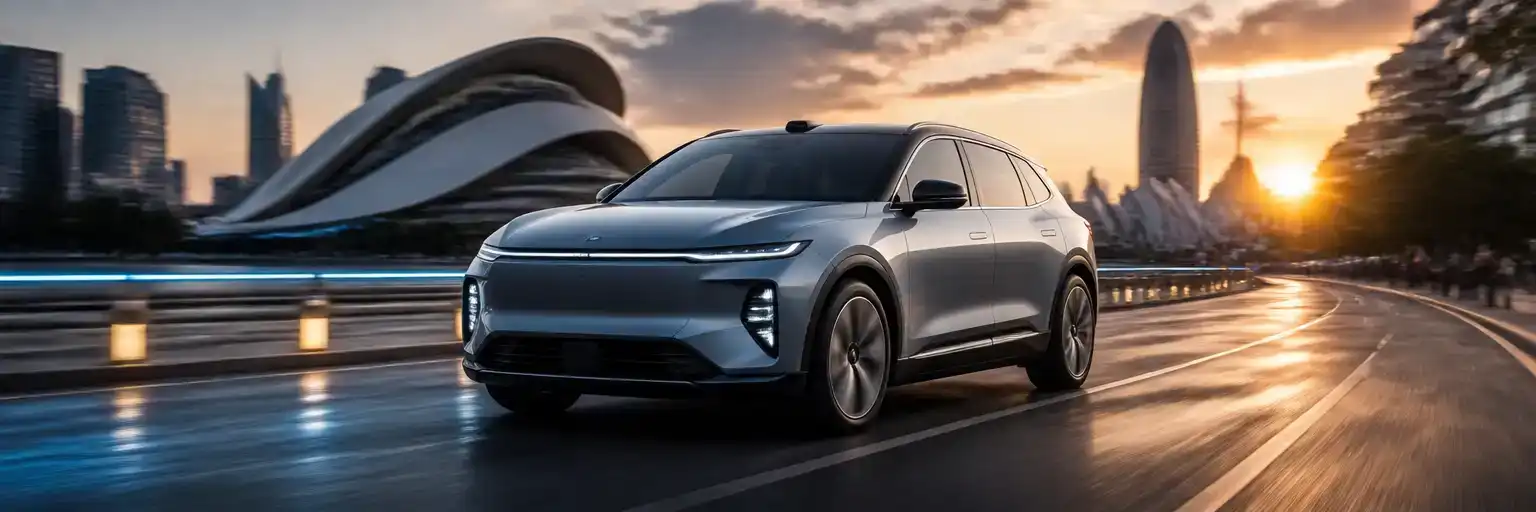
AI-generated image
When the average new car costs around $50,000, a promise of two SUVs under $30,000 sounds less like a product plan and more like an apology. Stellantis has now made that promise for Chrysler, a brand whose lineup currently stops at the Pacifica minivan. We think it's the right instinct. Whether it's a good car is a different question, and so far nobody can answer it.
The pledge is real, the cars are still a sketch
Here's what's on record. At its May investor day, CEO Antonio Filosa unveiled a five-year, $70 billion plan called FaSTLAne 2030, according to The Detroit News. Most of the new North American vehicles are pledged to cost under $40,000, and two of them under $30,000. For Chrysler, that means three crossovers by 2030. The small Arrow and Arrow Cross are set to start at about $25,000, and a midsize Airflow lands in the $30,000s.
Much else is unconfirmed. Car and Driver reports the pair will be lightly rebadged versions of the upcoming Fiat Grizzly and Grizzly Fastback, and it expects 2028 model-year debuts, probably with gasoline or hybrid power. Motor1 guesses at electrification. Powertrains, in other words, are speculation.
Chrysler as the mainstream brand is a sensible demotion
Stellantis will pour most of its brand and product money into Jeep, Ram, Peugeot and Fiat (plus its commercial-vehicle unit). Chrysler is relegated to a "regional" brand with less funding. You could read that as a death sentence. We read it as honesty. A brand with one minivan can't be a luxury-flavored halo; it can be a value play in the $25,000 to $35,000 band, which is the space Bloomberg says Chrysler is targeting.
Borrowing Fiat-developed hardware is also, in our view, the cheapest way to hit that price. Platform sharing is how you build a $25,000 crossover without losing money, and Stellantis says it wants to roughly halve its platform count. The risk is that "rebadge" becomes "indifferent." Competitors in this segment are already established, and Car and Driver itself points shoppers to the Chevy Trax and Mazda CX-30 in the meantime. A Chrysler badge doesn't buy any forgiveness.
The sticker is the easy part
This is where we'd be skeptical. "Starting at" is the most abused phrase in car retail. A $25,000 base car that nobody stocks, with the useful features locked behind a much pricier trim and a destination charge on top, is advertising, not affordability. We have no data on Arrow trim structure or fees, and we won't pretend otherwise. But the pattern is familiar enough that buyers should be wary, and Stellantis should be worried.
The company also has a credibility problem to overcome. The Detroit News describes Dodge's previous small SUV, the Hornet, as plagued with quality issues and never catching on with consumers, and Tim Kuniskis, Ram CEO and chief of North American brands, admitted the replacement hot hatch should be "the way we should have done it the first time." Candor like that is refreshing, and it also tells you the bar. Dealers have complained that the current lineup is too costly for budget-strapped buyers. The fix isn't one cheap trim. It's a lineup where the model people can actually find, at the price on the poster, is decent.
Our verdict
Going after the $25,000 to $35,000 crowd is the best strategic idea in Chrysler's plan, because that is where the market has been abandoned. But the Arrow only wins if three things hold: a base trim worth buying, transparent pricing, and quality that doesn't repeat past mistakes. Delivery is years away, so treat everything before 2028 as a promise. If you're shopping now, don't wait on it. If Stellantis nails it, the cheap crossover could be the most important Chrysler since the minivan. If it turns the headline price into bait, it will just confirm what its critics already believe.
No topics yet: start the first one.
More stories
Fiat Koala: sharing the 2CV's platform is smart, but only a low price saves it
The Koala and the Citroën 2CV share Stellantis' E-car platform, which makes sense. Without a truly low price, though, the Italian twin is just another badge on the same car.
Tesla's flying Roadster is a brilliant stunt and a poor car promise
The jump over a Tesla Semi was great theater, but hours of refilling for seconds of thrust and a missing spec sheet make the 2028 Roadster a marketing play.

Exlantix is testing whether luxury still needs a German badge
Chery’s premium EV push in Spain is not just another Chinese launch: it asks whether equipment, space and electric flexibility can redefine luxury.
Aston Martin’s new-era promise cannot outrun its biggest problem
Adrian Newey, Honda and a new gearbox give Aston Martin a credible long-term project, but the AMR26 still needs visible pace to make that promise believable.