Drivesfera Newsroom
GWM's Bulgarian ORA 5 plant is smart, but price is the real test
Building the ORA 5 in Europe from 2027 shows Chinese brands must localize to compete. The harder question is whether the car stays cheap once it leaves China.
Building the ORA 5 in Europe from 2027 shows Chinese brands must localize to compete. The harder question is whether the car stays cheap once it leaves China.
Chinese brands took 12.7% of Europe's market against Japan's 11.9% in a quarter. The real story is that origin has stopped being a reason to buy or to avoid a car.
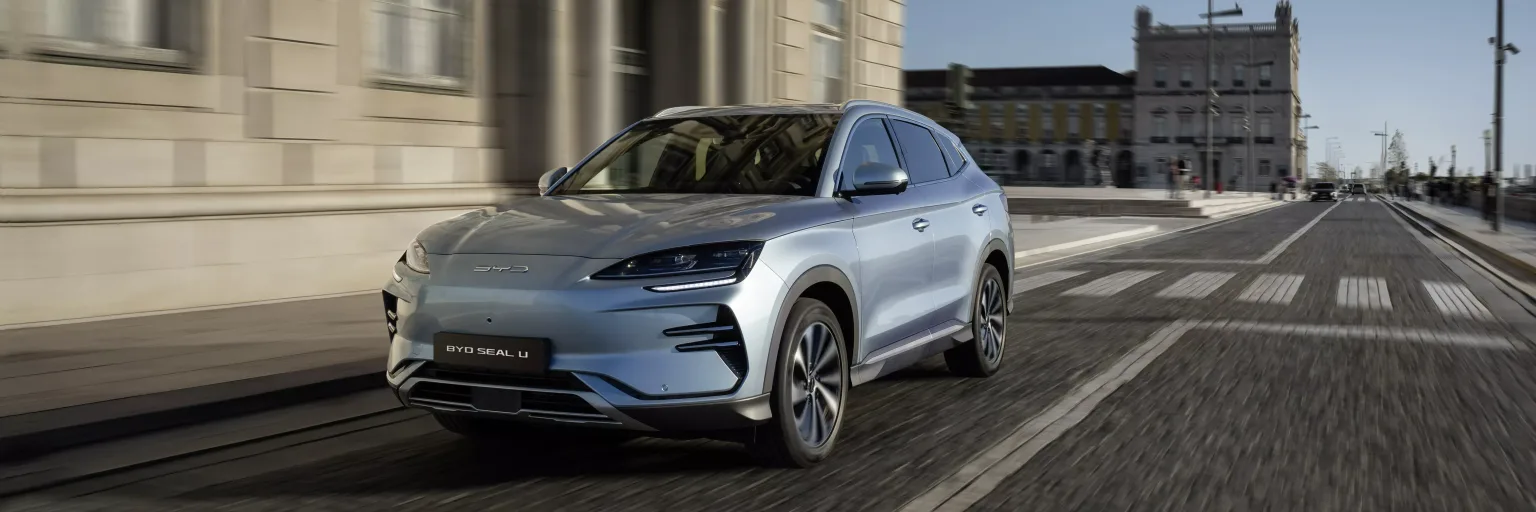
Tariffs and hybrid quotas are pushing BYD to build in Europe. Buyers and workers may gain, but the trade war now moves inside EU borders.
Audi's $4 billion US factory answers tariffs and politics first. It only becomes good news for American buyers if it brings lower prices and SUVs built for them.
Stellantis' pivot to 24 full hybrids by 2030 shows realism after years of zigzagging on EVs, but it risks arriving late. Buyers should wait for real efficiency numbers.
Letting Geely's premium brands use Volvo's European factories from 2028 should cut costs and dodge tariffs, but it makes brand discipline Volvo's most urgent job.
A Chinese discount of about 40%, if it holds, exposes a Western defense built on tariffs and brand loyalty that is thinner than it looks.
Chery's chief apologized after an Omoda 5 lost its rear axle in Malaysia, but a repeat failure shows Chinese brands abroad will be judged on durability and honest recalls.
Stellantis' first annual operating loss is being read as proof EVs failed. We think it proves something else: years of whiplash cost far more than any single technology bet.
Reported plans for 12,000 more job cuts and a fight over a publicly funded transfer company show Volkswagen needs cars people want and a cost plan it can defend, not a bailout.
The headline says EVs have won China. The data says gasoline is collapsing faster than EVs are growing, and the West should read that difference carefully.
A share plunge near 30%, 2,500 more job cuts and a CEO saying global cars developed in Europe and China won't work: Volvo is the canary, not the exception.
Almost 150,000 orders show Europe wants affordable EVs. The reported €1 billion margin hit is the toll VW must pay now to avoid losing the segment to rivals.
GM's simpler fourth-generation EV platform and LMR cells make sense after weak electric truck sales, but the real test is whether savings reach buyers.
Europe is right to bend its 2035 target to market reality, but changing the rules again and again punishes the carmakers and buyers who bet early on electrification.
Volkswagen's electric sales are growing in Europe, but China and the US are sinking the group. One recovering market can't be a global plan.
Michigan moved to claw back millions from a failed battery plant. The lesson isn't that incentives are bad, but that cash can't stand in for stable policy and local buy-in.
Tesla is still a technology force, but its slide from sixth to 11th shows that past breakthroughs are no substitute for a faster, broader product cycle.
Ford’s seven-model European offensive is less a numbers game than a wager on vans, SUVs and hard-working pickups—but price and production will decide it.
Antonio Filosa has acknowledged the PureTech damage, but Stellantis will regain credibility only when compensation rules and repairs become easy to verify.