Drivesfera Newsroom
CATL Is Still the Battery Leader. That Is No Longer Enough
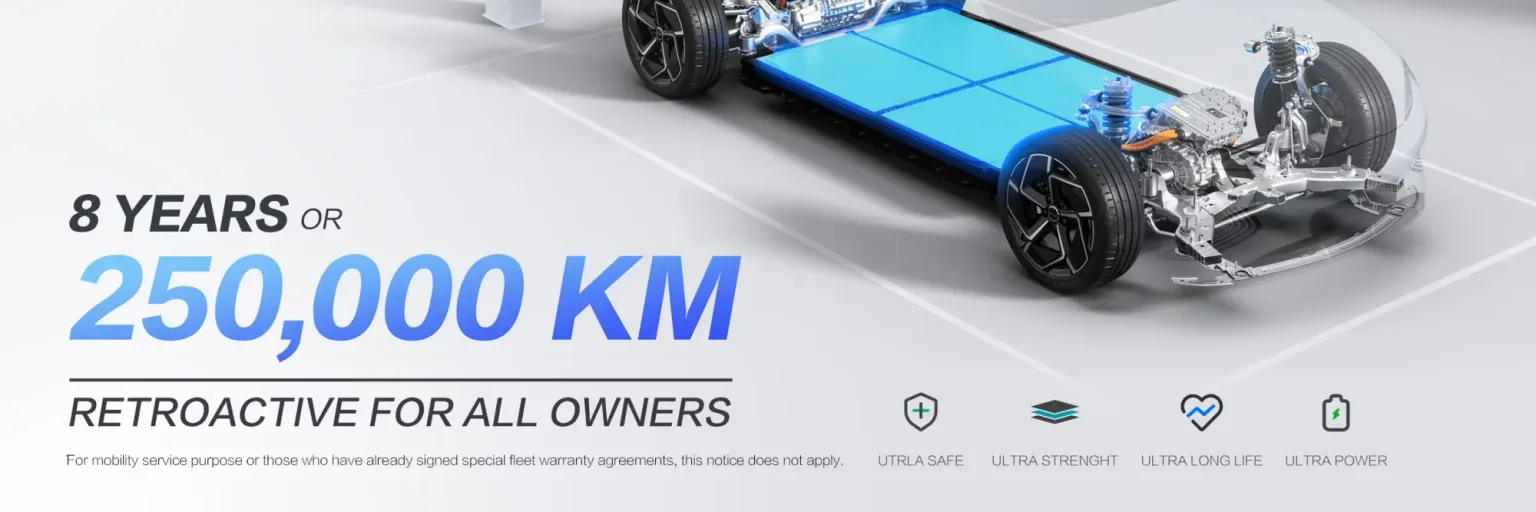
CATL’s slowing profit growth exposes the harder phase of China’s battery race: scale still wins contracts, but price pressure now tests the entire business model.
CATL’s slowing profit growth exposes the harder phase of China’s battery race: scale still wins contracts, but price pressure now tests the entire business model.
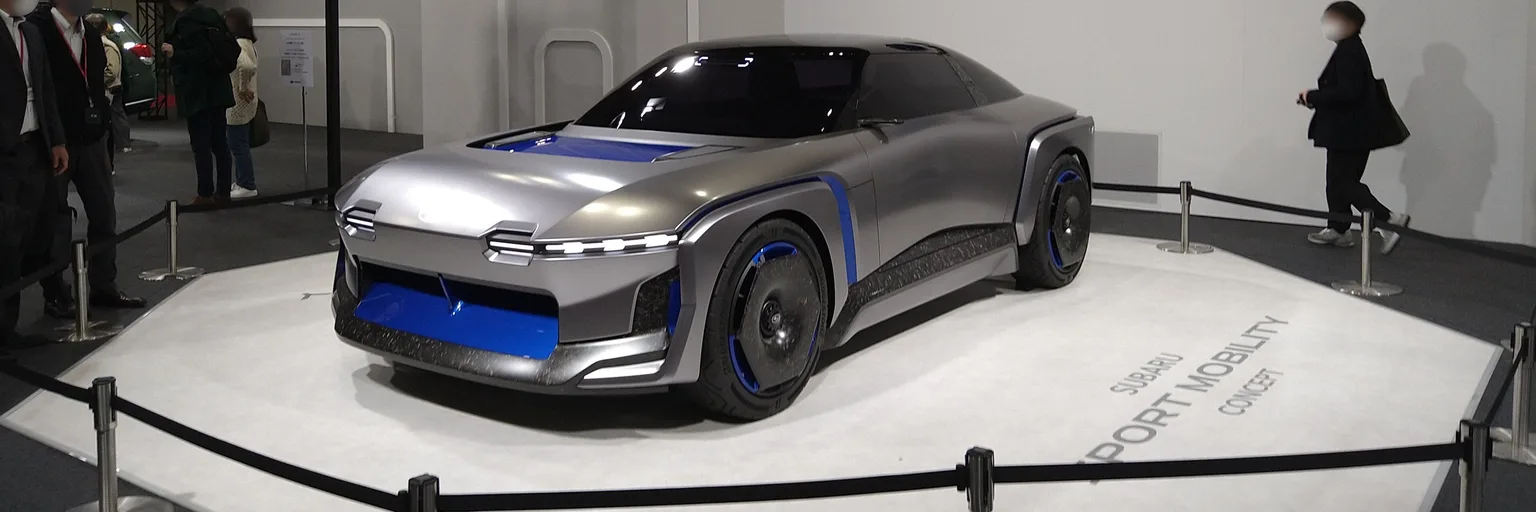
Subaru’s electric prototype matters less for its power than for the faster development model behind it—and the independence it seeks from Toyota.
As geopolitical tensions fuel short-term gains for oil stocks, ExxonMobil and Chevron navigate a market shaped by conflict, rising prices, and the undeniable long-term shift away from fossil fuels.
Christian Horner's new memoir isn't just a look back at his Red Bull tenure; it's a strategic broadside designed to reshape the narrative and challenge the very power structures that defined his F1 career.
President Trump's move to waive Russian diesel sanctions, ostensibly to calm fuel prices and foster peace, appears to be a politically charged maneuver with minimal economic impact but significant geopolitical repercussions.
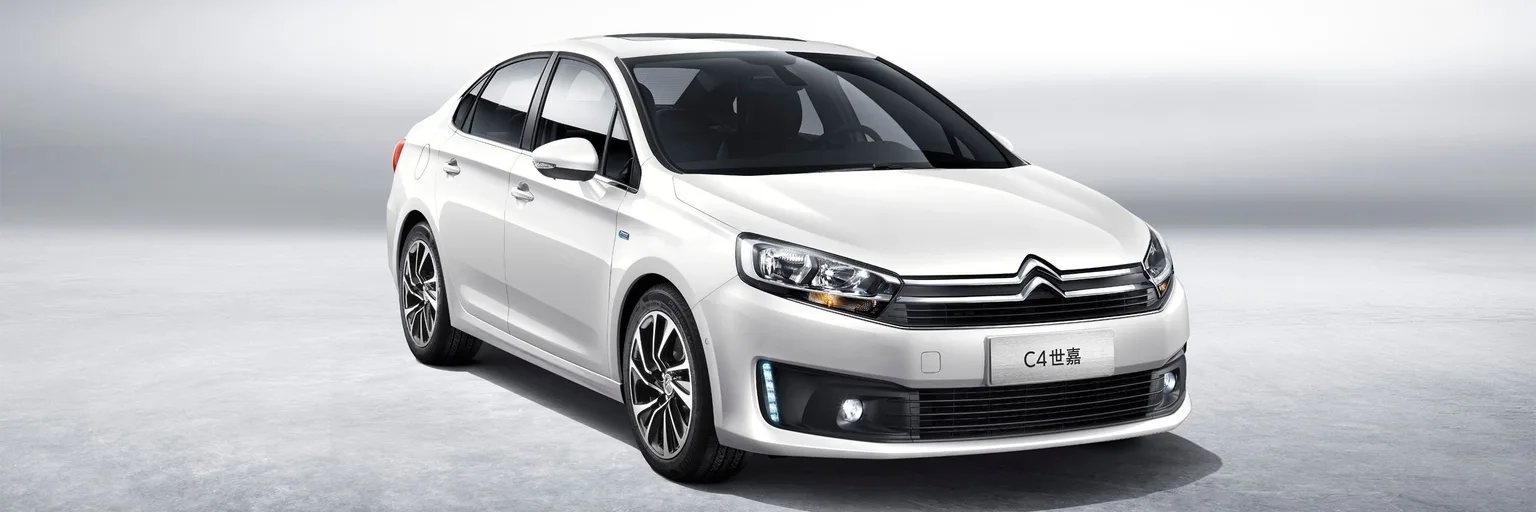
Stellantis is deeply integrating with Dongfeng to build electrified Jeep and Peugeot models in China for global export, signaling a bold strategy to compete in the EV era but raising questions about brand identity and market acceptance.
The official agreement between Paris and Berlin to relax the 2035 combustion engine ban, coupled with 'Made in Europe' mandates, signals a strategic recalibration of Europe's automotive transition.
With fresh faces joining its Driver Academy and a renewed commitment to talents like Dino Beganovic, Ferrari is doubling down on developing future F1 champions, signaling a strategic shift for long-term success.
BYD's exploration of a new electric vehicle factory in France signals a profound shift in the European auto landscape, promising jobs and accelerated EV adoption, but also intensifying competition for legacy automakers.
The dramatic destruction of a dental clinic by a recently fired dentist using his Porsche highlights the volatile emotional responses job termination can ignite, turning a luxury vehicle into an instrument of extreme vengeance.
Schaeffler's recent 240 million euro write-down on its Chinese EV business serves as a stark financial warning, underscoring the intense competition and evolving landscape European automotive suppliers face in the world's largest electric vehicle market.
China's new mandatory EV efficiency standards and consolidation efforts signal a decisive pivot from mass production to refined quality, poised to reshape its global automotive reputation and competitive edge.
Europe's automotive industry faces a pivotal strategic choice: prioritize high-margin luxury electric vehicles or aggressively pursue affordable, high-volume models to compete against global rivals.
The significant surge in Brent oil prices is hitting European drivers hard, but this financial strain may paradoxically hasten the continent's transition to electric vehicles as conventional fuel becomes prohibitively expensive.
Stellantis’ ambitious plan for over 50 new models and a 25% market coverage expansion in Europe by 2030 signals a strategic pivot towards volume and powertrain diversity, aiming to secure its future in a dynamic automotive landscape.
The projected loss of nearly 200,000 jobs in the German automotive sector isn't merely an EV transition, but a multi-faceted structural upheaval demanding radical reinvention.
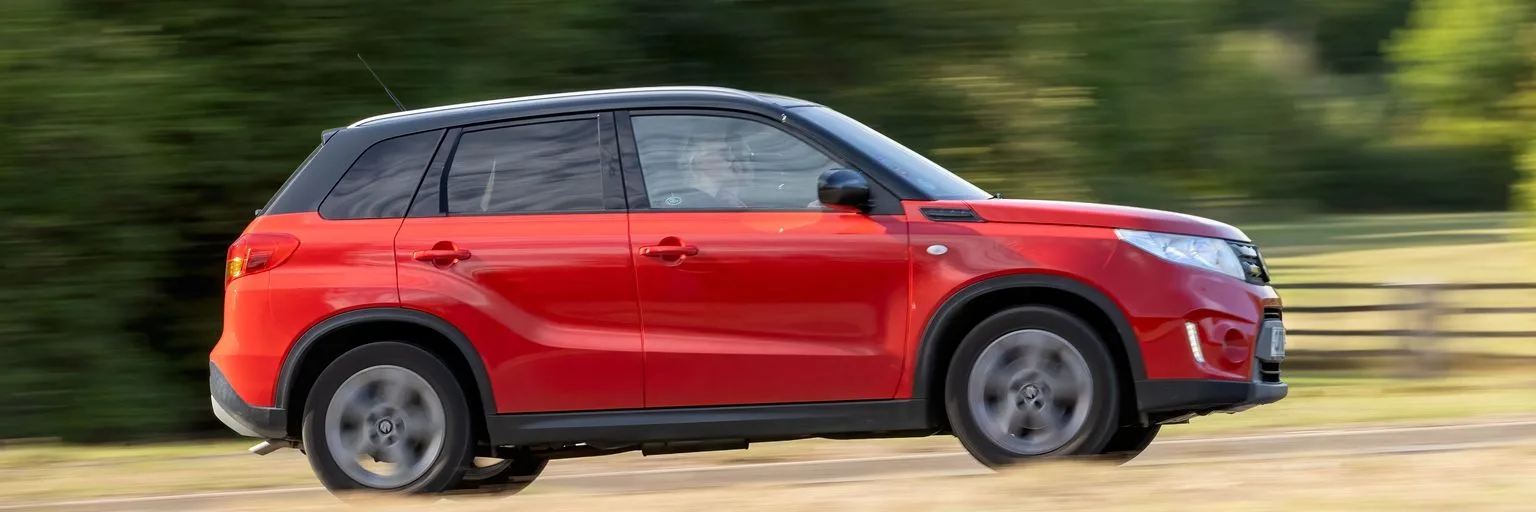
While many automakers chase an all-electric future, Suzuki charts a nuanced course with smart hybrids, efficient turbos, and lean EVs, focusing on adaptability and cost-effectiveness for diverse global markets.
Volkswagen Group's strategic realignment is evident as Porsche divests from Bugatti, signaling a focused push towards electrification, digitalization, and optimized brand portfolios in the rapidly evolving automotive landscape.