Xpeng L05: judge Europe's next family SUV by value, not by passport
The L05 is cheap in China and probably won't be in Germany. The gap between those two prices, not the flag on the grille, is what European brands should worry about.
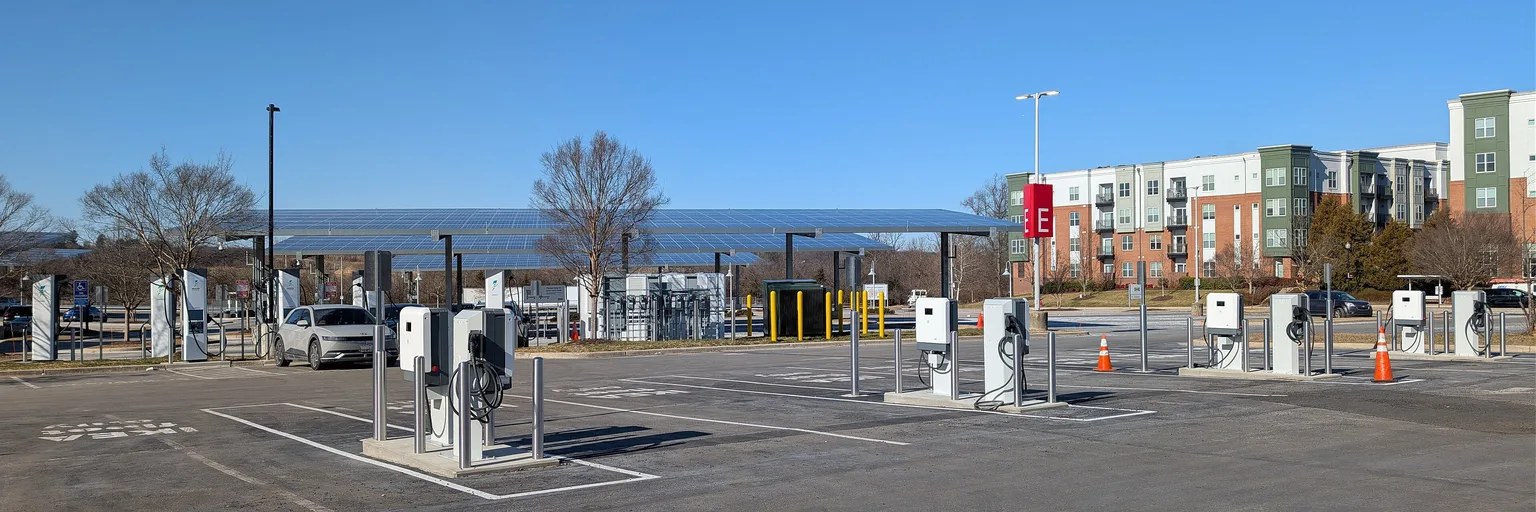
AI-generated image
Is a 4.87-meter family SUV with a 17.3-inch screen and up to 635 km of claimed range a threat to European carmakers, or just a nice spec sheet? The honest answer depends on a number we don't have yet: the German price tag.
What we know is this. The Xpeng L05, sold in China as the Mona L05, is already rolling off the line there. According to Digital Trends, it starts at 139,800 yuan (around $20,800) with introductory discounts, with deliveries in China due to begin on November 1. Europe gets it in 2027: the premiere is set for the Brussels Motor Show, January 8 to 17, where Xpeng plans to disclose prices, details and the market launch date.
The real story is the price gap, not the price
The Chinese launch price is a headline, but it is not a forecast. SP-X, via Kreiszeitung, says the L05 starts at roughly 17,000 euros converted in China, yet is unlikely to cost less than 40,000 euros in Germany. A German blog in our research talks about an aggressive price below 38,000 euros, but that is analysis, not an announcement. Treat every European number as a guess until Brussels.
And here is our view: even at the pessimistic end of that range, the L05 matters. A roughly 4.9-meter, five-seat SUV with a 2.94-meter wheelbase and a luggage compartment that can grow beyond 1,900 liters with the seats folded is not a city-car-sized compromise. It is aimed at the segment where European families actually spend money. If Xpeng lands near 40,000 euros with this kit, the question for incumbents isn't "can they match the price?" It is "can they match the price and the equipment?"
Specs are the easy part; the cabin is the sales pitch
The hardware is sensible rather than exotic. The battery-electric versions use a rear-mounted 183 kW motor and LFP batteries of 58.2 or 71.1 kWh, with that 635 km maximum coming from China's CLTC cycle. We would not take that number to a European dealership: CLTC is famously generous, and Xpeng has yet to publish European specs. Treat 635 km as a ceiling, not a promise.
The more interesting part is the cabin: a 26.8-inch head-up display, a second 17.3-inch screen mounted in the ceiling, a massage-equipped passenger seat and 41 storage spaces. The higher-specification Ultra SE variant adds two Turing chips with a combined 1,500 TOPS for assisted driving, with the driver still required to supervise. Whether any of that reaches Europe in the same form is unknown. Regulations differ, and it is entirely possible the European car arrives with a trimmed-down feature list. That, in our opinion, is the thing to watch in January, more than the range.
Judge it on price, software and service
Here is the part we think matters most, and where documentation runs out. Everything above is a Chinese-market spec sheet. A family car is bought on what happens after delivery: how often the software misbehaves, how fast a workshop can get you a part, what the resale value looks like in year four. None of that is knowable from a launch announcement.
The L03, the smaller sibling, is already orderable in Germany, and one of our sources notes it arrives roughly three months before the L05 and shares a lot of technology with it. The L05 would be the seventh model series in Europe, according to Autonotizen. That gives buyers something better than a press release: a sibling that reaches customers first, so its early service and software experience can be watched before the L05 shows up. If you're curious about the bigger car, keep an eye on the L03 first.
The lazy takes will go two ways: "Chinese cars are cheap junk" or "Chinese cars will wipe out Europe." Both skip the work. What matters for a buyer is a plain checklist: the final European price, the warranty and the service network, and how the software behaves once owners start reporting back. For European brands, the lesson is just as plain. Customers will compare an equipment list and a monthly payment, not a flag.
Wait for Brussels, then shortlist it anyway
Don't pre-order anything on the strength of a yuan price. Wait for Brussels, and wait for the first independent European tests. But if you're shopping for a family electric SUV in 2027, put the L05 on the shortlist anyway, because it will force every rival to justify its sticker. That alone is a win for buyers, and the strongest argument we can make for judging the car by what it offers, not where it comes from.
No topics yet: start the first one.
More stories
Europe's Car of the Year shortlist is all-electric, and that's half the story
Seven electric finalists is a milestone, but a shortlist with no Chinese cars and no hybrids suggests the jury is describing a market that buyers no longer live in.
The EU battery passport is dull paperwork that could fix used EVs
From February 18, 2027, EV batteries in the EU get a QR-linked digital record. Whether used-car buyers benefit depends on open, standardized, enforced data.
Geely's Europe-first EV is the right bet, but only if Europe writes the brief
Geely will unveil a car designed in Milan for European drivers in 2027. It's an admission that adapted Chinese models fall short, and a test of whether "local" means more than a studio address.
EV batteries aren't dying early: your charging habits are the real risk
A Geotab study of 22,700 EVs puts average degradation at 2.3% a year. The scary headline is really a story about heat and constant DC fast charging.