Drivesfera Newsroom
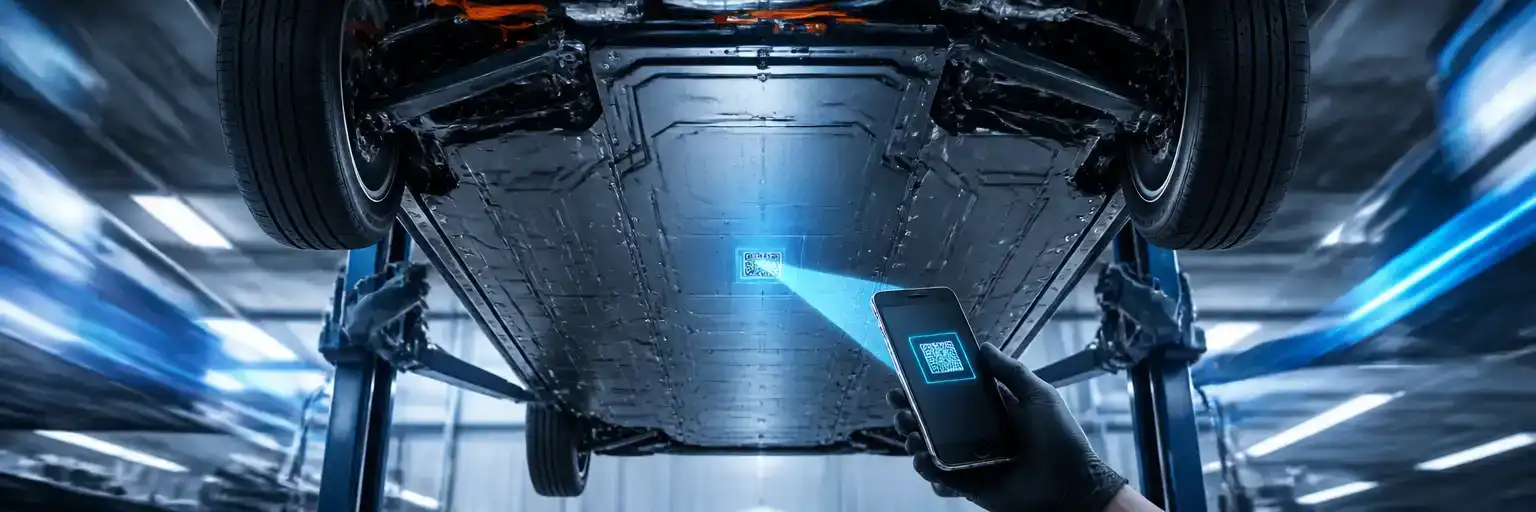
The EU battery passport is dull paperwork that could fix used EVs
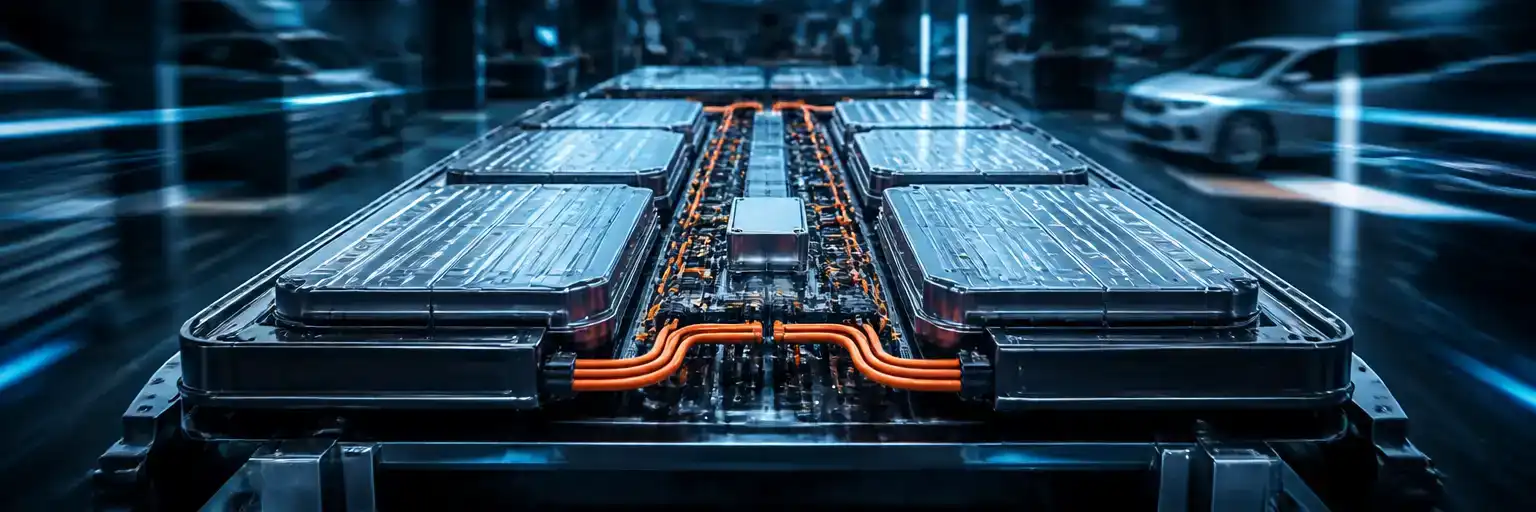
From February 18, 2027, EV batteries in the EU get a QR-linked digital record. Whether used-car buyers benefit depends on open, standardized, enforced data.
From February 18, 2027, EV batteries in the EU get a QR-linked digital record. Whether used-car buyers benefit depends on open, standardized, enforced data.
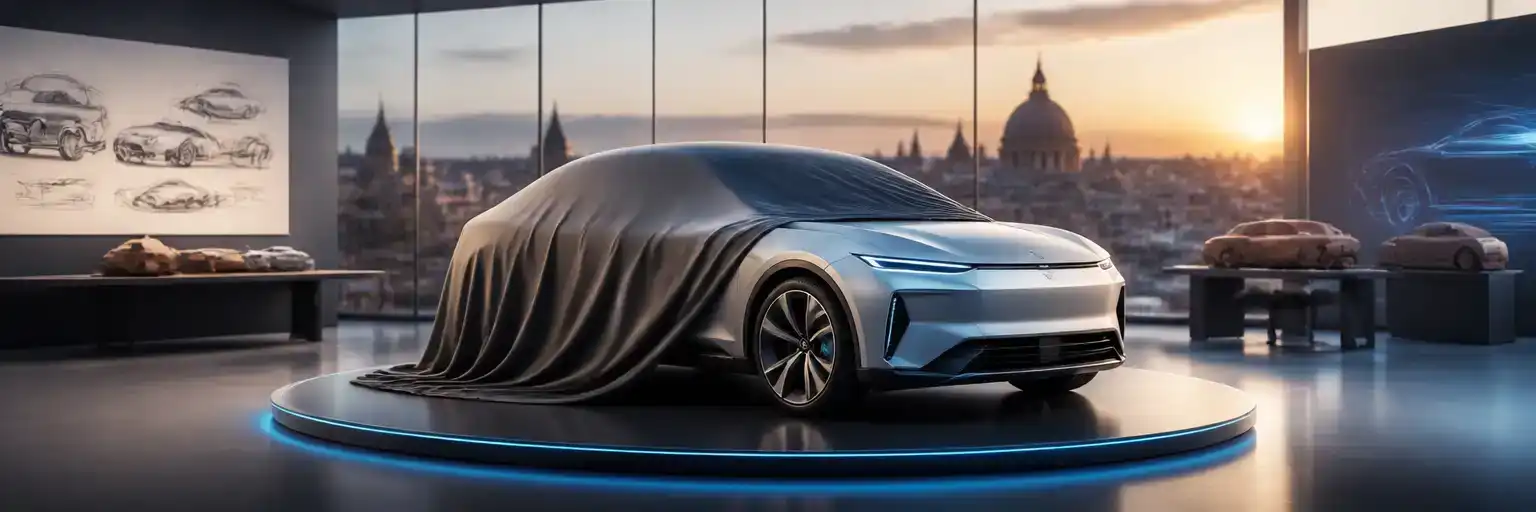
Geely will unveil a car designed in Milan for European drivers in 2027. It's an admission that adapted Chinese models fall short, and a test of whether "local" means more than a studio address.
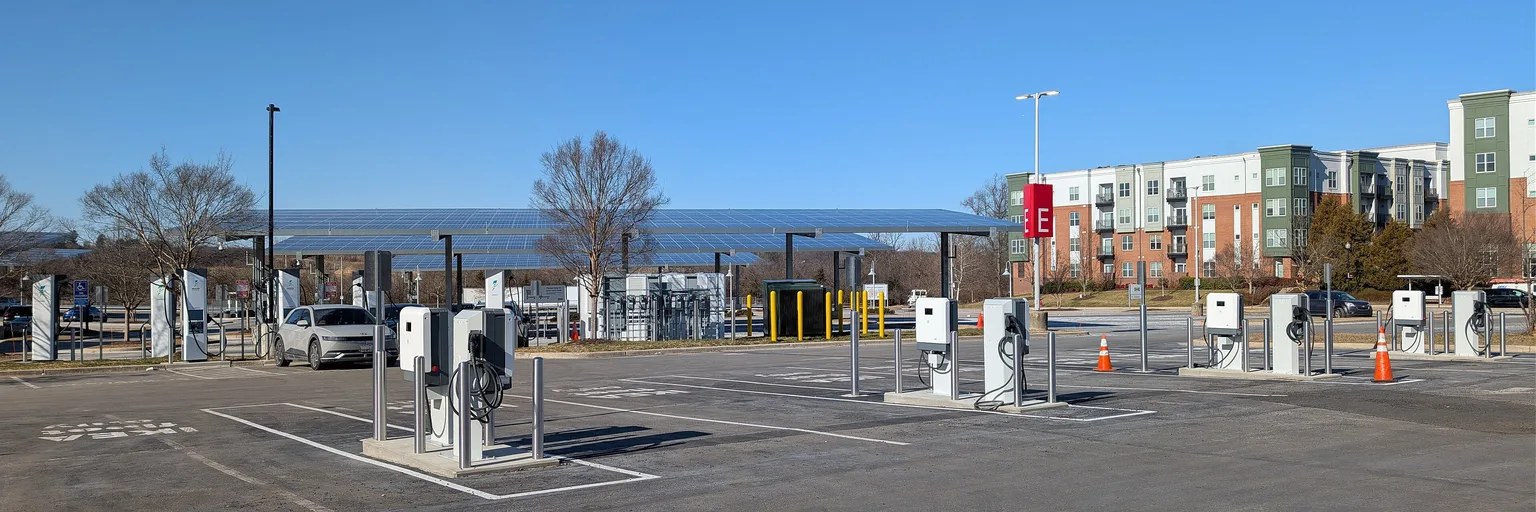
A state that wanted to turn EV charger money into vertiports has hit the brakes. Air taxis remain a funding and infrastructure story, not a way to get to work.
A Geotab study of 22,700 EVs puts average degradation at 2.3% a year. The scary headline is really a story about heat and constant DC fast charging.
The UK wants Brussels to treat its electric cars as European. Rules of origin cut both ways, and the label only holds if the batteries are really made nearby.
Cutting power and range to bring the Epiq Easy 35 down to €25,900 in Germany is smart. The harder job is proving the base model isn't just a price tag to pull buyers into the showroom.
Jim Farley wants 5 million sales a year by 2032 and fewer dull products. Styling alone won't get Ford there: reliability and sticker prices will decide whether the plan works.
Toyota will assemble Waymo-ready bZ4X robotaxis on its own line. It's a pragmatic deal, but it hands the most valuable layer of the car to someone else.
Pausing development of the electric Golf to save money isn't a pivot. It's a carmaker freezing its most hoped-for affordable EV to fix the books, and buyers should take note.
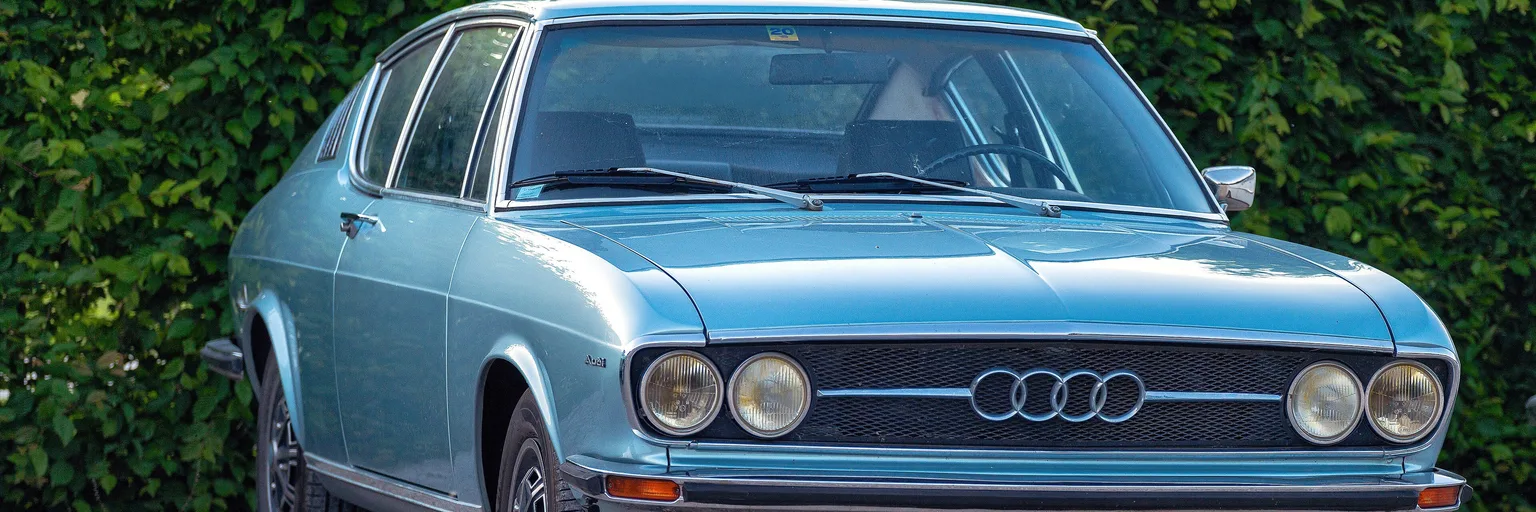
Audi kept just 13.2% of last year's Q3 profit. The cause isn't only tariffs or China: a premium brand without a US plant and with models in transition is exposed.
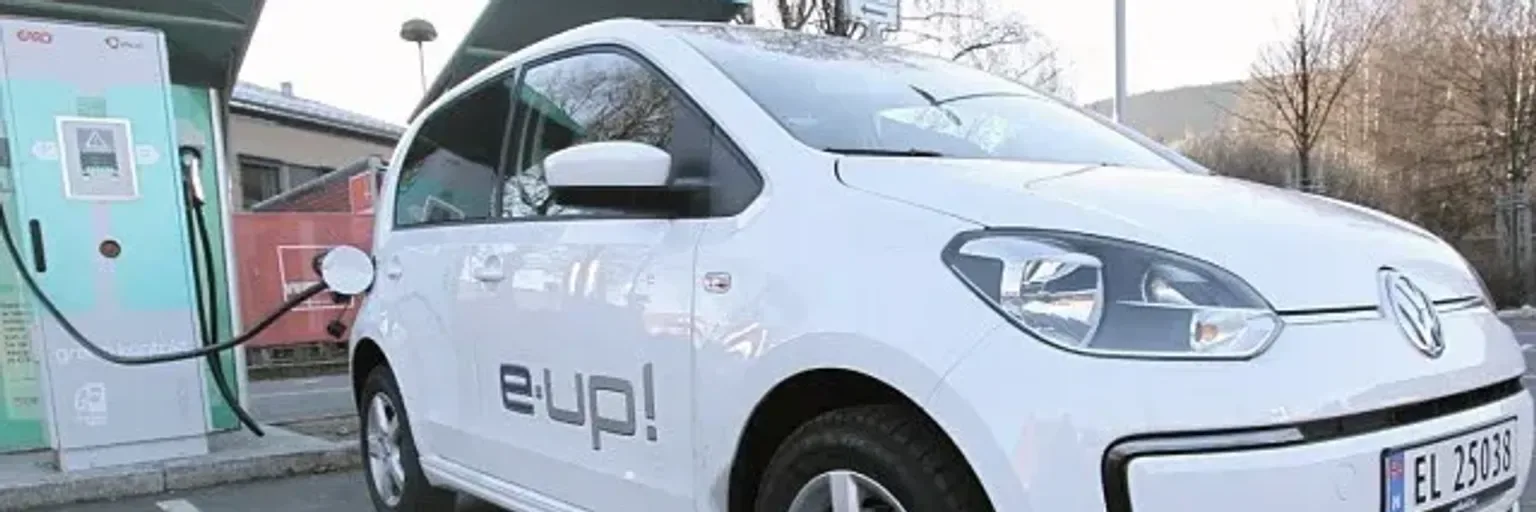
Everyone quotes Norway's near-total electric share of new car sales. The number matters less than the decades of deliberate policy that produced it, and the quiet exit now underway.
Seven electric finalists show that mainstream EVs have won over the jury, but a shortlist with no Chinese brand says more about Europe's awards than about the cars.
The Neue Klasse sedan out-ranges the Model 3 and drives like a 3 Series should, but a US price BMW hasn't set and its software will decide whether it wins.
French buyers are exploiting a gap in EU tariffs to import near-new BYD and Xiaomi EVs. The discount is real, but the paperwork and the unknowns may eat the savings.
Moving European EVs to cheaper LFP cells in 2027 attacks the real cost problem, but the timing and the unquantified trade-offs deserve skepticism.
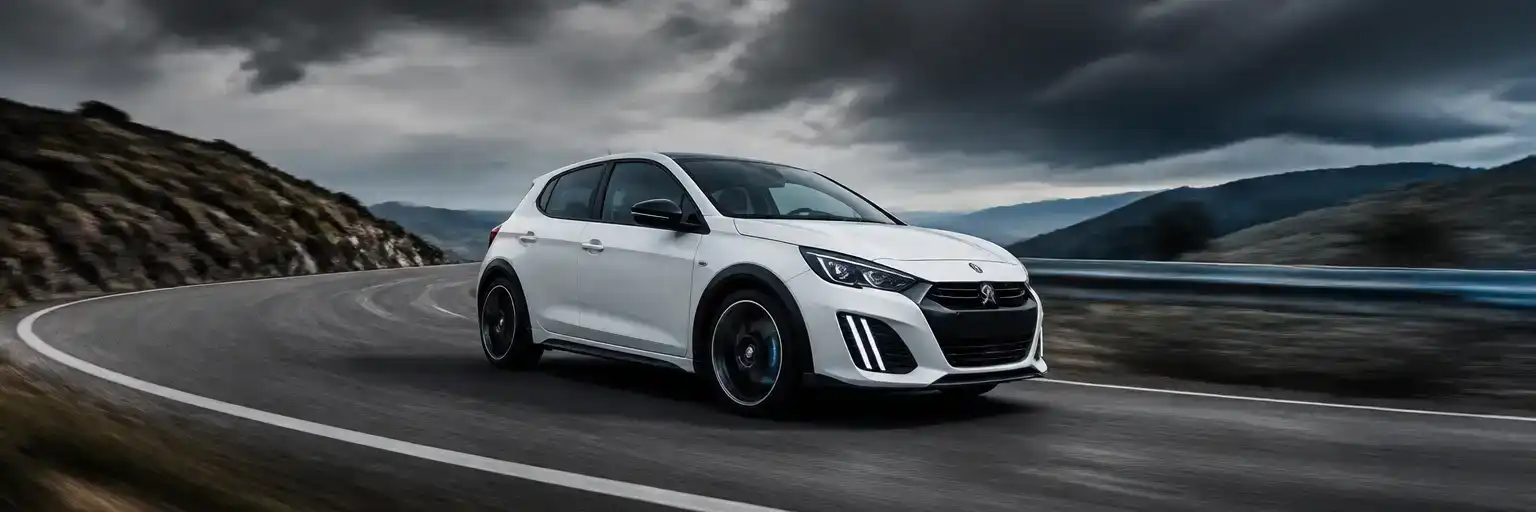
Peugeot's electric hot hatch answers the sacrilege crowd on power and fun. Whether enthusiasts will pay £34,995 for it is a different question.
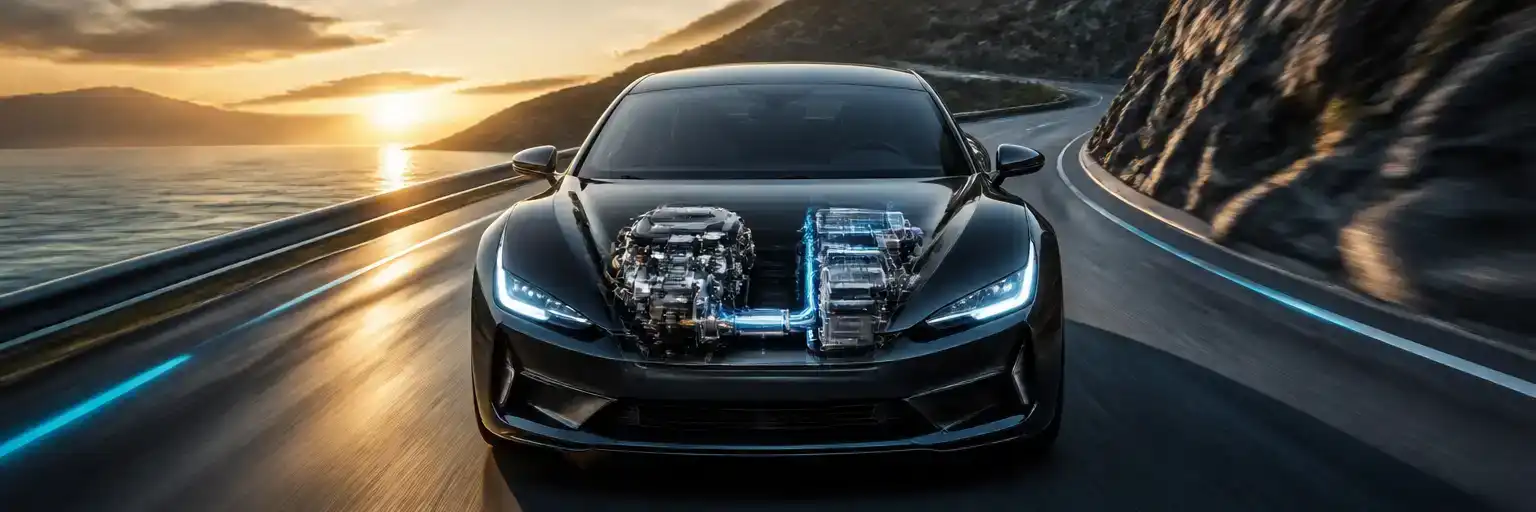
Two Audi patents put a combustion engine inside an electric car. It's a pragmatic idea, but only if the industry stops pretending an EREV is just an EV with a long range.
Britain's pay-per-mile EV tax could become a template for other countries, but it only works if privacy is airtight, the price per mile is transparent and early adopters aren't punished.
Clocks fall back Sunday, the Senate is unlikely to make daylight saving permanent soon, and the crash research points to a trade-off between drivers and people on foot.
A BYD Atto 3 Evo with 2,000 km spent nine weeks in the workshop after a failed update. The refund shouldn't depend on goodwill: software repairs need deadlines.