Plug-in hybrids aren't near-EVs: the 14% gap breaks the 'clean' label
New European data says real-world PHEV emissions are only 14% below combustion cars. The label isn't the problem; the way we measure and reward it is.
Photo: Mariordo (Mario Roberto Durán Ortiz) / Wikimedia Commons (CC BY-SA 4.0)
What if the car in your driveway is sold as a near-EV and counted by regulators as one, yet burns fuel almost like the combustion car it replaced? That is the uncomfortable picture painted by the latest European numbers on plug-in hybrids.
According to Transport & Environment's analysis, as summarized by CleanTechnica, real-world PHEV emissions average 145 g/km of CO2, against 169 g/km for conventional combustion cars. That is just 14% less, down from a 17% advantage the year before, per InsideEVs. Official tests, by contrast, put the figure at 24 g/km, which is what sustains the roughly 80% cut that the official numbers suggest.
A separate study of about one million vehicles from model years 2021 to 2023, reported by Tagesschau, found average consumption of almost six liters of fuel, about 300% above type-approval figures. The ICCT also says the gap has widened despite longer electric ranges.
The label is not the problem; the lab test is
We don't think the PHEV is a fraud as a technology. The same Tagesschau report notes that some models, from Kia, Toyota, Ford and Renault, reached very low consumption in their mostly electric mode, in some cases well under one liter. A PHEV that is plugged in every night can be a genuinely good car.
The issue is that regulation treats the average driver as if they were that diligent owner. Official calculations assumed a large share of trips would be electric. Real telematics data says otherwise. The researchers' own surprise is telling: Patrick Plötz of Fraunhofer ISI called it a "shock" that cars in the supposedly mostly electric mode still burned about three liters on average. The engine kicks in far more often than anyone assumed.
Fleet targets turned a measurement flaw into a business model
Here is the part that should annoy regulators. As Tagesschau explains, WLTP values for PHEVs feed directly into manufacturers' fleet CO2 limits. Very low paper figures helped carmakers meet targets. If the paper is wrong, the climate goals are met in theory but not on the road.
That creates a perverse incentive. We suspect that building a PHEV with a small battery and a generous test result is an easier way to hit the numbers than selling enough EVs, and the spreadsheet looks the same. Our view: this is the real scandal, more than any individual driver who never plugs in.
There are signs of movement. Per Pakwheels, T&E found that battery capacity among the upgraded PHEVs it studied rose from an average of 14 kWh to 24 kWh, while average prices in that group rose only around 2%. Volvo has announced XC60 and XC90 plug-in versions with manufacturer-claimed electric ranges of up to 200 km and 160 km on provisional WLTP figures. Bigger batteries are good news. But the ICCT's finding that the gap widened despite longer ranges suggests, to us, that range alone doesn't fix behavior.
What regulators and buyers should do
For regulators, the logical step is what the Fraunhofer researchers propose: use real-world data. Plötz argues that, since the data and infrastructure now exist, we can stop judging vehicles by their type approval, and that a manufacturer missing limits on the road might face a penalty. We would go further and say PHEVs should not earn near-zero credit until measured usage justifies it. Industry's answer so far, that roller-dynamometer testing is a recognized procedure, is true and beside the point.
For buyers, the advice is blunt. If you can charge at home or at work and your daily distance fits the battery, a PHEV can make sense. Owner reports in Pakistan, for instance, describe 100 km-plus electric trips, though those are individual anecdotes, not controlled tests. If you can't plug in regularly, you are paying for a heavy battery you will mostly carry around. Buy a conventional hybrid or, better, an EV.
Verdict
The PHEV is not dead and it isn't a villain. But "clean" should be a property you earn by plugging in, not one printed on the spec sheet. Until regulation measures what cars actually do, treat every PHEV figure as a best case, and treat any policy that counts it as a near-EV with deep suspicion.
No topics yet: start the first one.
More stories
BYD's 2027 solid-state car is a real milestone, not a reason to wait
BYD's 2027 solid-state target looks credible as a milestone, but with no model, price or volume named, nobody should pause an EV purchase over it.
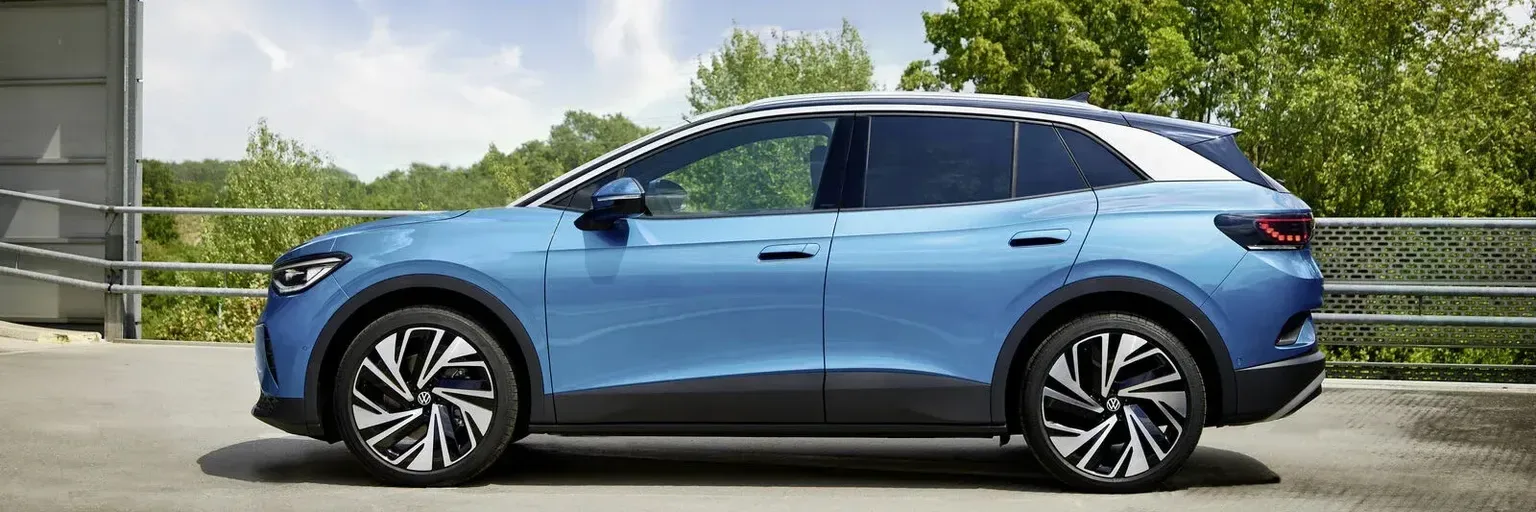
VW's 80% charge cap is a safety fix, and a reminder of who holds the keys
A remote cap on ID.4 charging may be justified by fire risk, but it shows how over-the-air power can shrink what you bought. Owners need clear terms and compensation.
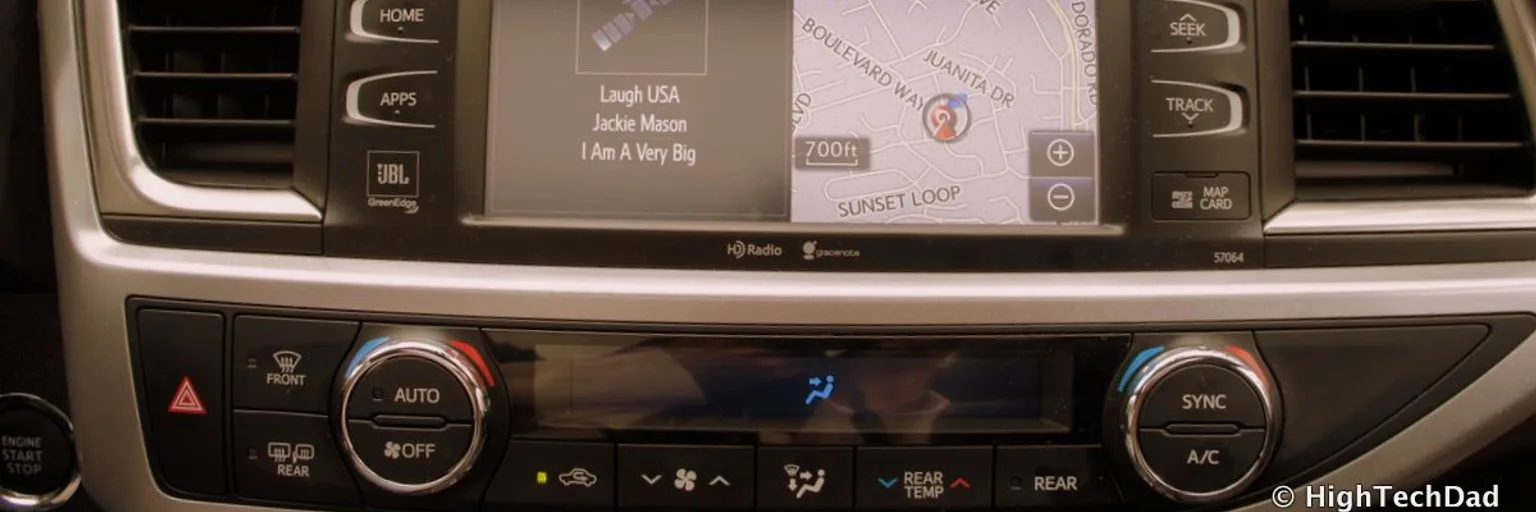
Touchscreens aren't the villain: lazy cockpit design is
Allianz's Motor Day data suggests the real danger isn't the screen itself but what carmakers bury inside it. Core controls belong on buttons, and buyers should demand them.
GM’s Self-Driving Reset Is Really a Software Reality Check
GM is betting that a new computing architecture can turn autonomy from an expensive promise into useful, dependable features customers will pay for.