VW's 80% charge cap is a safety fix, and a reminder of who holds the keys
A remote cap on ID.4 charging may be justified by fire risk, but it shows how over-the-air power can shrink what you bought. Owners need clear terms and compensation.
Photo: Volkswagen / sala de prensa (uso editorial)
Who decides how much of your battery you get to use: you, or the company that sold it to you? Volkswagen's latest ID.4 recall hands us an uncomfortably clear answer, and it is not "you."
A battery recall is also a quiet rewrite of what you own
In the US, Volkswagen is recalling 22,524 ID.4s from model years 2023 to 2026 over possible battery fires, as electrive reports. Until the fix arrives, owners are told to charge to no more than 80%. According to Electrek, unless drivers opt out, VW will enforce that limit automatically on connected cars. Car and Driver, citing the recall documents, says the cap is meant as a temporary solution while a permanent one is worked out.
Globally, the story is bigger. As tagesschau reports, VW is calling back almost 72,700 electric cars worldwide, across the ID.3, ID.4, ID.7, ID. Buzz and Cupra Born, with about 10,000 of them in Germany. In the German recall, VW blames production defects at cell suppliers, and where technically possible the system limits the usable capacity itself. The German authority KBA initially knew of no injuries or property damage.
The cap is defensible, and that is exactly what makes it a precedent
Let's be fair first. A fire risk justifies emergency action, and a charge limit is a far gentler tool than telling people to park outside and wait. Germany's ADAC says a temporary restriction can be necessary and legally permissible when there is a concrete danger. We agree. If we were ID.4 owners, we would rather have the car refuse to charge past 80% than gamble on a rare but ugly failure.
The problem is the next step. Once a manufacturer can reduce the capacity you paid for with a software flag, "temporary" becomes a matter of trust, not of engineering. The same ADAC warns that such a restriction must not become permanent, and that manufacturers should clear up the cause quickly. We would go further: a restriction with no end date is a different product from the one on the sales contract.
There is also the question of how soft the line between recommendation and enforcement is. In nextmove's report on first-generation ID. Buzz owners, an app message said the limit would be kept automatically, yet the setting could still be changed manually. That mismatch between wording and behavior is precisely the kind of ambiguity that erodes confidence. Tell owners what is enforced, what is advice, and who can lift it.
Owners should get compensation, not just a letter
An 80% cap is not trivial. Losing a fifth of the battery's capacity probably hurts most on long trips, which is where an EV is already hardest to live with. The ADAC says that when customers must accept significant limits on capacity, range or use over a long period, manufacturers should offer appropriate compensation. We think that should be the baseline, not a courtesy.
What would that look like? Our view, as opinion rather than legal analysis:
- A published timeline for inspections, so the "temporary" label means something.
- Free loaner cars or charging credits for owners who depend on full range.
- Plain disclosure of how the cap is applied and whether owners can decline it.
The ADAC also notes that legal rights depend on each case, and that merely being part of a recall does not make a car defective. Fair enough, which is why goodwill from the manufacturer matters. Not every owner will have a warranty claim to lean on.
Fix the cars quickly, and fix the relationship too
There is a reassuring detail: VW estimates only about 0.1% of the US vehicles are actually defective, according to nextmove, and a software update may be enough for some affected modules, per auto motor und sport. If so, the remedy could be quick and cheap. But the same reports remind us this is not VW's first battery recall this year, since March saw more than 90,000 cars called in worldwide, and nextmove says the cause on the US side is still unclear.
So the verdict: the remote cap is the right call for safety and the wrong call as a silent default. Owners should check their VW app and recall notices, ask the dealer for a written inspection date, and keep records of any range loss. Regulators should treat remote capacity limits as a category that requires disclosure and redress. Over-the-air updates are a great feature when the car improves. When they take something back, the carmaker owes you an explanation and a payment.
No topics yet: start the first one.
More stories
Touchscreens aren't the villain: lazy cockpit design is
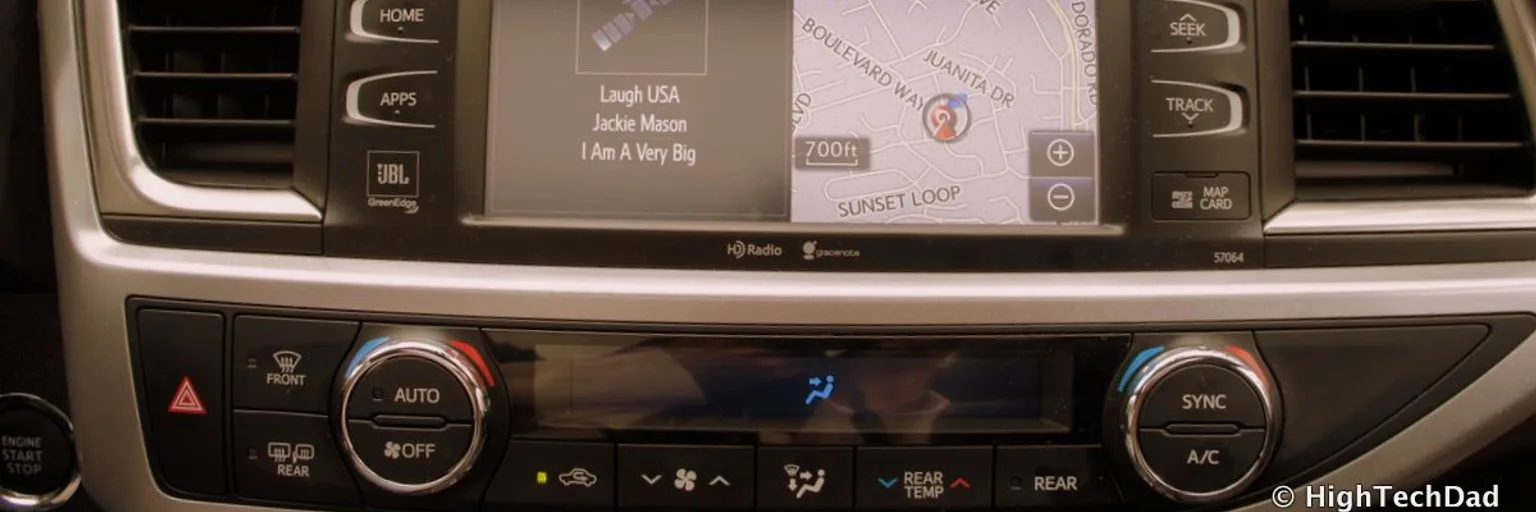
Allianz's Motor Day data suggests the real danger isn't the screen itself but what carmakers bury inside it. Core controls belong on buttons, and buyers should demand them.
GM’s Self-Driving Reset Is Really a Software Reality Check
GM is betting that a new computing architecture can turn autonomy from an expensive promise into useful, dependable features customers will pay for.

The DB5's Eternal License to Thrill: Why Connery's Bond Still Defines Automotive Desire
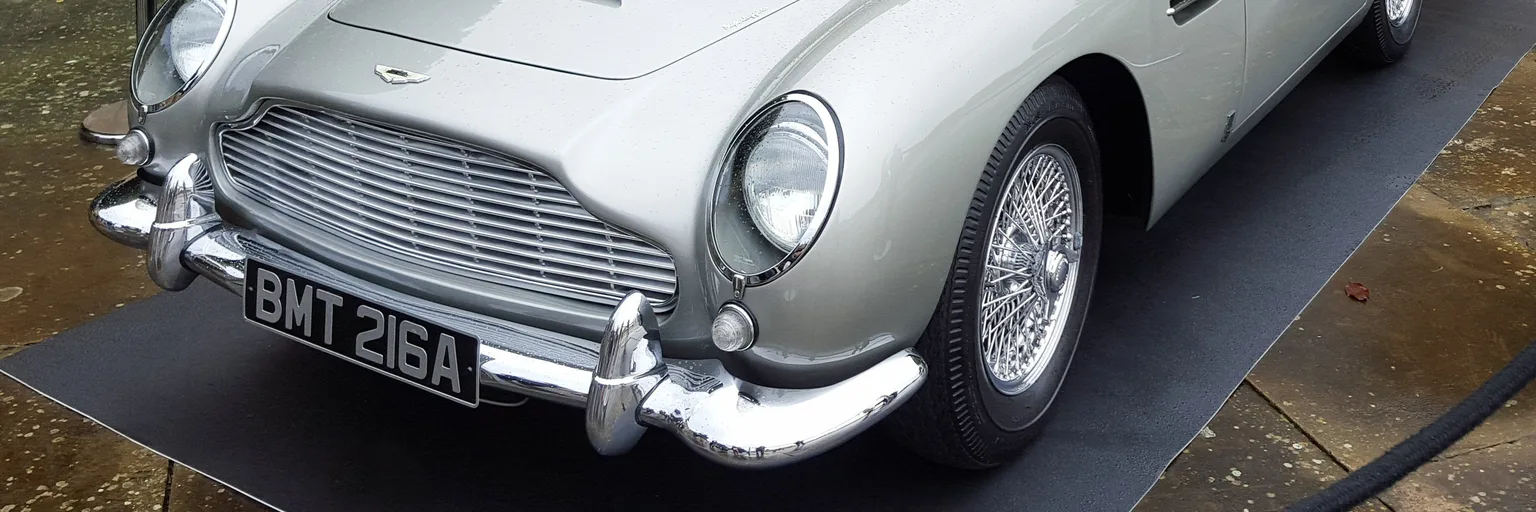
The Aston Martin DB5 from 'Goldfinger' remains an unparalleled icon, proving that cinematic legacy and classic design can overshadow the latest innovations in defining automotive desire.
DeLorean's Flight: Why eVTOL Racing is a Smarter Move Than It Looks
Shifting focus from its troubled Alpha5 EV, DeLorean's entry into the Airspeeder eVTOL racing series represents a bold, strategic pivot to redefine its legacy in a new era of mobility.