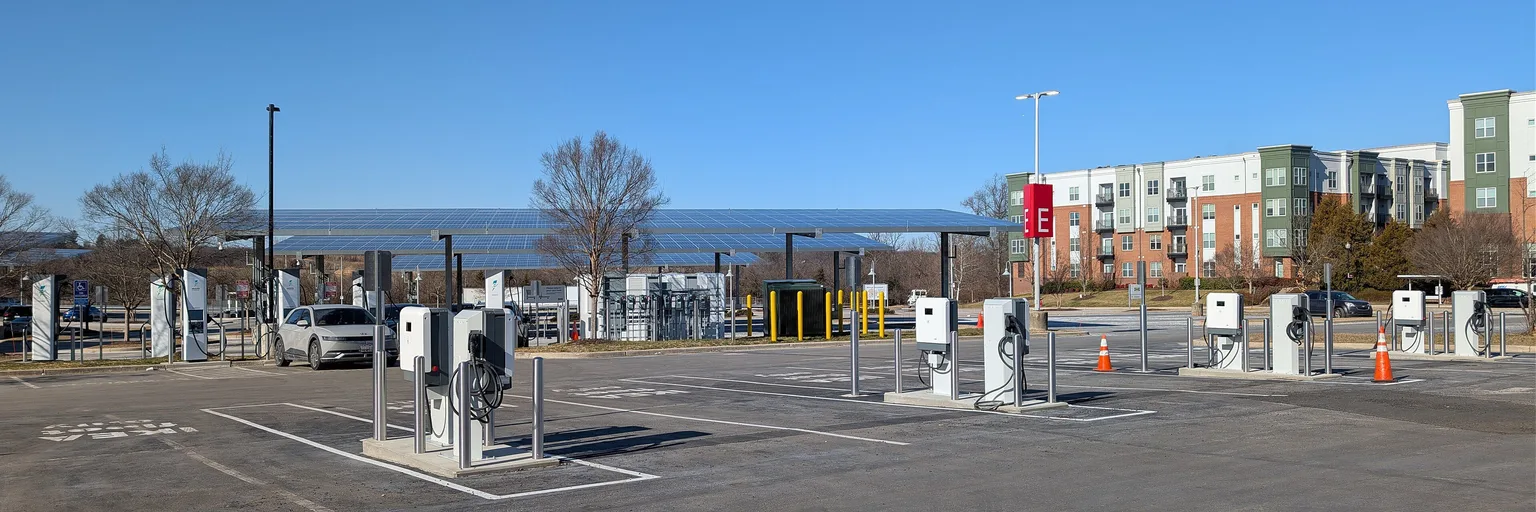
Used Chinese EVs at 40% off are a real loophole, not a free lunch
French buyers are exploiting a gap in EU tariffs to import near-new BYD and Xiaomi EVs. The discount is real, but the paperwork and the unknowns may eat the savings.
AI-generated image
Is a 40% discount on a nearly new electric car a bargain, or a warning sign? In France, a growing number of drivers have decided it's a bargain, and they've found a clever way around Europe's tariff wall to get it. We think the trick is real, but "clever" and "wise" are two different things.
The loophole is real, and it says more about China than about France
As Les Numériques reports, the EU added an anti-subsidy duty in 2024 on top of the standard 10% customs duty. Depending on the manufacturer, the total can reach 45.3% before VAT. But the surcharge targets new cars. Used EVs with more than 6,000 km on the clock escape it.
The platform China EV Marketplace says it regularly lists cars with about 6,000 km at 40% below their new price in China. Its used sales to EU customers rose 280% between January and September 2026, to 7,900 units, while new-car sales fell 44%. It lists more than 2,600 used models, including BYD, Xiaomi, Denza and Xpeng.
The tariff gap is what the buyers exploit, but we think the real engine is the Chinese price war. Manufacturers keep cutting new prices, which drags down the value of previous generations. The same report says a three-year-old EV in China resells at around 45% of its price. In Germany, used Chinese EVs are 24% cheaper than comparable European ones. That's a market telling us Chinese cars depreciate brutally, and European buyers are picking up the leftovers.
The 40% disappears faster than you think
The headline discount is measured against a Chinese sticker price. It isn't what you pay in France. The same article is clear: you still add transport, European homologation, the usual 10% customs duty and 20% VAT. The loophole removes one layer of tax, not all of them.
Then there's homologation. One specialist site, chinausedevs.com, says importing a used Chinese EV normally requires individual national approval, because the Chinese type approval isn't automatically recognized under the EU framework. The same site adds that European approval coverage is uneven across Chinese brands, BYD and Xiaomi among them. In other words, your exact car may not be a car anyone has already certified for Europe.
We'd add a caution of our own. Specialist import guides flag the battery, equipment compatibility and safety standards as risks, and that's enough to make us wary. We found little on warranty or software support, so we can't confirm the specifics. Our guess is that a car bought through a grey channel is unlikely to get the same manufacturer support as one from a local dealer. That uncertainty is part of the problem: a buyer shouldn't need to guess whether the charging port, the app services or the updates will work after the car crosses a border.
Who should do it, and who shouldn't
The platform tries to blunt the pain. It handles transport, customs clearance and EU homologation, and it has opened a delivery point in Prague with an initial stock of 20 models, sparing buyers the three-month wait of a direct import. That's smart, and it makes the process less intimidating. It also turns a hobbyist hack into a business, and businesses can be judged on their paperwork.
Our verdict: this is a niche for informed enthusiasts who can afford to lose part of the savings, not a mass-market shortcut. If you're comfortable with the possibility that your car may have limited dealer support, and you've seen the final all-in price in writing, including approval, duties and VAT, it may be worth a look. If you want a car you can forget about, buy through the local network, even if you pay more.
The bigger lesson isn't for buyers. It's for European policymakers. When a tariff designed for new cars can be sidestepped by buying a car with a few thousand kilometers on it, the wall has a door in it. Brussels will probably notice. Buyers who build their plan around the loophole should assume it may not stay open.
No topics yet: start the first one.
More stories
Stellantis' LFP switch is the right fix for cheap EVs, just late
Moving European EVs to cheaper LFP cells in 2027 attacks the real cost problem, but the timing and the unquantified trade-offs deserve skepticism.
The UK's per-mile EV tax is fairer than a flat fee, if it gets three things right
Britain's pay-per-mile EV tax could become a template for other countries, but it only works if privacy is airtight, the price per mile is transparent and early adopters aren't punished.
The used-EV reliability scare is running out of evidence
A UK analysis of 47.4 million inspections suggests high-mileage EVs fail less often than petrol cars. The mileage fear looks like the wrong number to worry about.
GAC's 1,000 km battery is a headline, not a reason to buy
A 1,000 km range promise tells you little until it's tested on real roads. Charging speed and price decide whether a battery matters to buyers.