Stellantis' LFP switch is the right fix for cheap EVs, just late
Moving European EVs to cheaper LFP cells in 2027 attacks the real cost problem, but the timing and the unquantified trade-offs deserve skepticism.
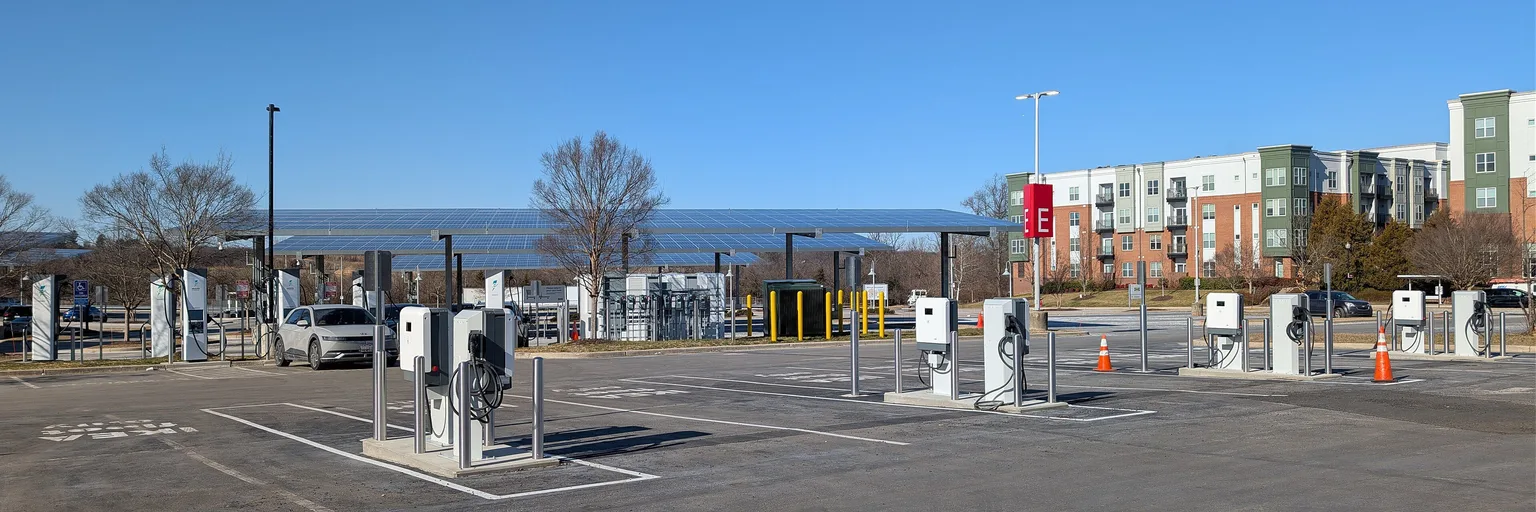
AI-generated image
Is the cheapest way to make an affordable EV to stop making it with expensive batteries? It sounds obvious, which is exactly why it's strange that Stellantis is only getting there in 2027.
Here's what we know. As Automotive News reports, CEO Antonio Filosa said Stellantis will switch many of its European EVs from nickel manganese cobalt (NMC) chemistry to cheaper lithium iron phosphate (LFP) in 2027, to cut costs. The company's own STLA One announcement frames it the same way: more LFP for affordability and less exposure to critical raw materials, plus a battery integrated into the vehicle structure to reduce cost, weight and complexity.
The battery is where the price is, so that's where to cut
Carmakers love to talk about cheap EVs in terms of smaller bodies, simpler trims and fewer screens. Those help, but the pack remains the line item that decides whether a small electric car can sit near its gasoline sibling. Changing the chemistry is the most direct lever available, and Stellantis is pulling it alongside cell-to-body integration. We think that pairing is the smart part: cheaper cells and less structure around them attack cost from two directions.
The raw-materials angle matters too. Stellantis explicitly mentions reducing exposure to critical raw materials. In a market where supply chains have become a geopolitical headache, a chemistry that avoids some of them is a strategic hedge, not just a cost trick.
There's also a sign the company wants more than a cost swap. According to Destination Charged, the platform will be 800-volt-capable, which Stellantis says should deliver competitive charging times. If that holds, it would soften one of the usual complaints about cheaper packs.
The trade-offs are real, and nobody has put numbers on them
The thesis comes with a caveat. LFP is generally understood to give up some energy density, which tends to mean less range for a given pack size, and some drivers worry about cold-weather behavior. The documentation we have doesn't quantify either point for Stellantis' cars, so treat this as our expectation, not a finding. Buyers in cold climates should wait for real-world figures before assuming the new cars match today's.
Still, we'd argue the trade is worth it for the segment in question. A small city EV rarely needs a huge pack. A car that costs less and charges quickly enough beats a long-range car most people can't justify buying. That's an opinion, but it's where the market logic points.
The problem isn't the chemistry, it's the calendar
Here's what keeps us from applauding too loudly. Filosa's switch lands in 2027, and the product plan around it looks shaky. Forecasts from the analysis firm Inovev, as alvolante.it reports, suggest the next Peugeot 208 may slip to autumn 2027 with first deliveries in 2028, and the Opel Corsa to spring 2028. These are projections, not company confirmations, and they point to a revamped range arriving more slowly than hoped. Another outlet, Revved Up Cars, says Stellantis cut planned 2027 battery-electric spending in July 2026 and leaned further into hybrids, plug-ins and range-extended trucks. We'd read that cautiously, given the source is undated, but it fits the picture of a company hedging.
Our view: LFP is the right answer to the right question, but a cheap-EV strategy only works if the cheap EVs actually show up on time. Rivals aren't waiting, and a range renewed slowly risks losing ground exactly where competition is accelerating.
Note also that the reporting is about Europe. Nothing in the documentation says how, or when, this reaches US buyers, so American readers shouldn't assume the same cars or prices are coming here.
Verdict
Stellantis is doing the sensible thing, and doing it later than it should. If you're shopping for a small EV in Europe, hold off until the 2027 LFP models have published range and winter numbers. If you're watching Stellantis as a company, the question isn't whether LFP works. It's whether the schedule survives contact with its own budget cuts.
No topics yet: start the first one.
More stories
Used Chinese EVs at 40% off are a real loophole, not a free lunch
French buyers are exploiting a gap in EU tariffs to import near-new BYD and Xiaomi EVs. The discount is real, but the paperwork and the unknowns may eat the savings.

The UK's per-mile EV tax is fairer than a flat fee, if it gets three things right
Britain's pay-per-mile EV tax could become a template for other countries, but it only works if privacy is airtight, the price per mile is transparent and early adopters aren't punished.
The used-EV reliability scare is running out of evidence
A UK analysis of 47.4 million inspections suggests high-mileage EVs fail less often than petrol cars. The mileage fear looks like the wrong number to worry about.
GAC's 1,000 km battery is a headline, not a reason to buy
A 1,000 km range promise tells you little until it's tested on real roads. Charging speed and price decide whether a battery matters to buyers.