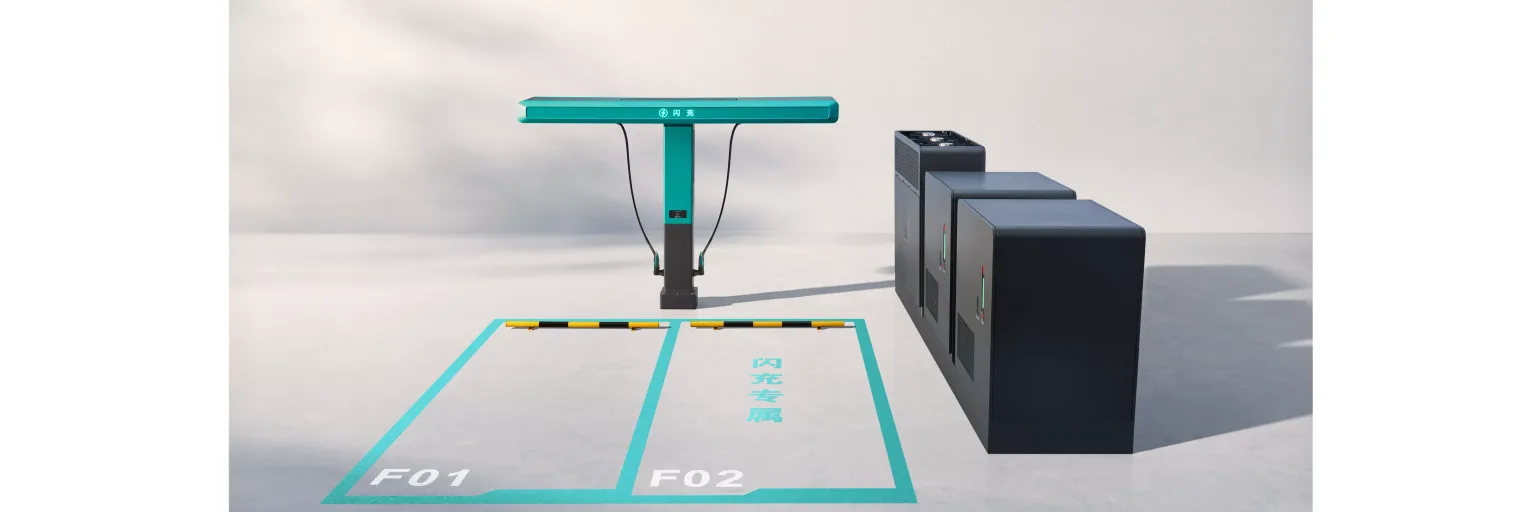
Smart #2: Can a Return to Roots Reignite Urban EV Passion?
The Smart #2, unveiled at the Paris Auto Show, aims to recapture the brand's original compact city car ethos with an affordable electric offering, but faces stiff competition in a crowded EV market.
Photo: smart / sala de prensa (uso editorial)
Is the world truly ready for another micro-city car, especially an electric one? The 2026 Paris Motor Show, running from October 12 to 18, certainly suggests a resounding 'yes'. This year's edition, held at Paris Expo Porte de Versailles, is shaping up to be a significant event for the global automotive industry, with over 100 brands confirmed to attend and a notable focus on small cars and retro design. Among the many unveilings, the production version of the Smart #2 is poised to make its global debut, marking a crucial return to the brand's origins.
For years, Smart seemed to drift from its original two-seater city car concept, expanding its lineup with larger SUVs like the #1, #3, and #5 after the original Fortwo was discontinued in Spring 2024. Now, under its joint venture with Mercedes and Geely, Smart is revisiting its initial success formula with the fully electric #2. This new model, expected to measure around 8.9 feet (2.79 meters based on its concept), aims to recapture the Fortwo's legendary urban agility, offering a vehicle capable of navigating tight city streets and parking spaces with ease, boasting a compact turning radius.
The Smart #2 is built on an ECA platform developed in China and is designed as a pure electric vehicle. It promises a significant upgrade in range compared to its predecessor, with a 35.7 kWh battery targeting around 300 km in mixed cycle, or 290 km WLTP range. Furthermore, Smart projects a rapid charging capability, moving from 10% to 80% in less than 20 minutes, which suggests it will be suitable for more than just in-city commutes. The anticipated starting price, expected to be between €20,000 and €25,000, or even under €22,500, positions it as an affordable entry into the EV segment. However, its production in China means it will likely not qualify for some European purchase incentives, potentially impacting its competitive edge.
The Resurgence of the Small EV
The Smart #2's debut at the Paris Motor Show isn't happening in isolation; it's part of a broader trend. The show's focus on small cars and retro design reflects a growing demand for compact, efficient, and characterful urban vehicles. The new Smart #2 will find itself amidst a competitive field of other small, affordable electric cars. Citroën, for instance, is set to unveil a concept for a new 2CV, an electric city car projected to cost less than €15,000. Dacia will present its new Spring, an affordable small EV sharing its platform with the Renault Twingo. Audi is also reviving an iconic name with the A2 E-Tron, an entry-level EV offering up to 322 horsepower and a maximum range of 401 miles, albeit at a higher starting price of €38,350. Chinese brands like Geely are also active, with the E2, China's best-selling car, already on sale in Europe from €20,990.
Can Smart Reclaim its Niche?
The return to a two-seater electric city car is a bold move for Smart, especially after a period of focusing on larger SUVs. The #2’s success will likely hinge on its ability to deliver on the promises of extended range, fast charging, and affordability, while also appealing to consumers with its urban practicality and distinctive design. The market for small electric cars is heating up, with both established European brands and aggressive Chinese newcomers vying for market share. While the Smart #2 embodies a compelling return to form for the brand, its production origin and the fierce competition mean it will have to work hard to stand out and truly reignite passion for the micro-city EV.
No topics yet: start the first one.
More stories
BYD Dolphin Mini's Tire Troubles: A Hard Lesson in Localization
Despite its surging popularity, the BYD Dolphin Mini's persistent tire availability issues in Brazil reveal how easily a seemingly minor component choice can create significant hurdles for global EV success.
Peugeot RCZ Vision: A European Challenge to EV Convention
Peugeot's RCZ Vision concept is a bold declaration of intent, merging emotive design, cutting-edge solid-state battery technology, and promising performance to carve out Europe's unique path in the electric sports car segment.
Rivian R2: The Smarter EV Future as US Market Sheds Subsidies
As the federal EV tax credit expires and sales dip, the market is shifting focus from luxury to accessible models, with Rivian's R2 emerging as a key player in this necessary correction.
BYD's Flash Charging: Europe's EV Game Changer or Just a Flash in the Pan?
BYD's impending introduction of Flash-Charging to Europe promises to drastically reduce charging times, a move that could significantly alleviate range anxiety and accelerate EV adoption, but it also highlights the urgent need for a matching infrastructure overhaul.