BYD's Flash Charging: Europe's EV Game Changer or Just a Flash in the Pan?
BYD's impending introduction of Flash-Charging to Europe promises to drastically reduce charging times, a move that could significantly alleviate range anxiety and accelerate EV adoption, but it also highlights the urgent need for a matching infrastructure overhaul.
Photo: BYD / sala de prensa (uso editorial)
Range anxiety has long been the elephant in the electric vehicle room, a silent concern that subtly dampens enthusiasm for what should be a straightforward transition to sustainable mobility. But what if charging an EV became almost as fast as filling up a gasoline tank? This is the radical proposition BYD is bringing to Europe with its Flash Charging technology, a development that, in our view, has the potential to fundamentally reshape the continent's EV landscape.
The Chinese automotive giant has announced an aggressive rollout of its ultra-fast Flash Charging network across Europe, starting with the Denza Z9GT luxury EV. This system, boasting capabilities of up to 1.5 megawatts of power, can replenish a compatible BYD vehicle from 10% to 97% state of charge in a mere nine minutes, or even 10% to 70% in roughly five minutes under ideal conditions, according to the company. Such speeds aren't just theoretical; BYD has already demonstrated the system's resilience, with tests showing a Denza Z9GT charging to 97% in 12 minutes even after being deep-frozen to -22°F (-30°C), a feat almost unheard of for current EV batteries in extreme cold.
This rapid expansion into Europe follows an astonishing pace in China, where BYD doubled its Flash Charger network from 5,000 to 10,000 stations in just five months. The company plans to deploy 3,000 of these megawatt-level chargers across Europe by the end of 2026, with the first station already operational in Germany.
The End of Range Anxiety, or a New Bottleneck?
The prospect of topping up an EV in minutes is undeniably a game-changer for consumer confidence and could be the most powerful antidote to range anxiety yet. A 1.5-megawatt charging rate, triple that of many high-powered DC fast chargers currently common in the U.S., represents a significant leap forward in convenience, mirroring the speed of traditional refueling. This is particularly relevant for those who rely on long-distance travel or live in areas without easy access to overnight home charging.
However, the ambitious targets set by BYD for its European network, while impressive, face substantial challenges. While the company has shown a formidable capacity for rapid deployment in China, replicating that scale in a diverse European market, with its varying regulations and infrastructure complexities, will be a true test. Crucially, Flash Charging demands megawatt-level charging piles, which are far from standard in Europe's existing public charging infrastructure. The current market is largely dominated by chargers offering maximum power around 200 kW. Even with BYD building its own network, the
No topics yet: start the first one.
More stories
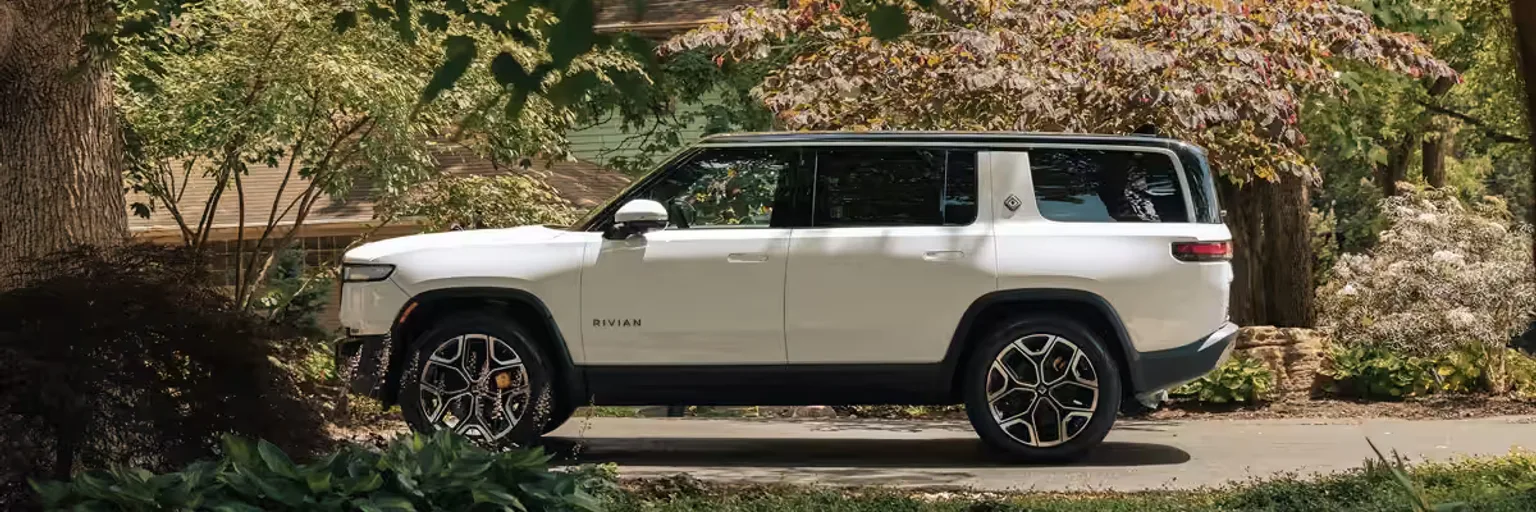
Rivian R2: The Smarter EV Future as US Market Sheds Subsidies
As the federal EV tax credit expires and sales dip, the market is shifting focus from luxury to accessible models, with Rivian's R2 emerging as a key player in this necessary correction.
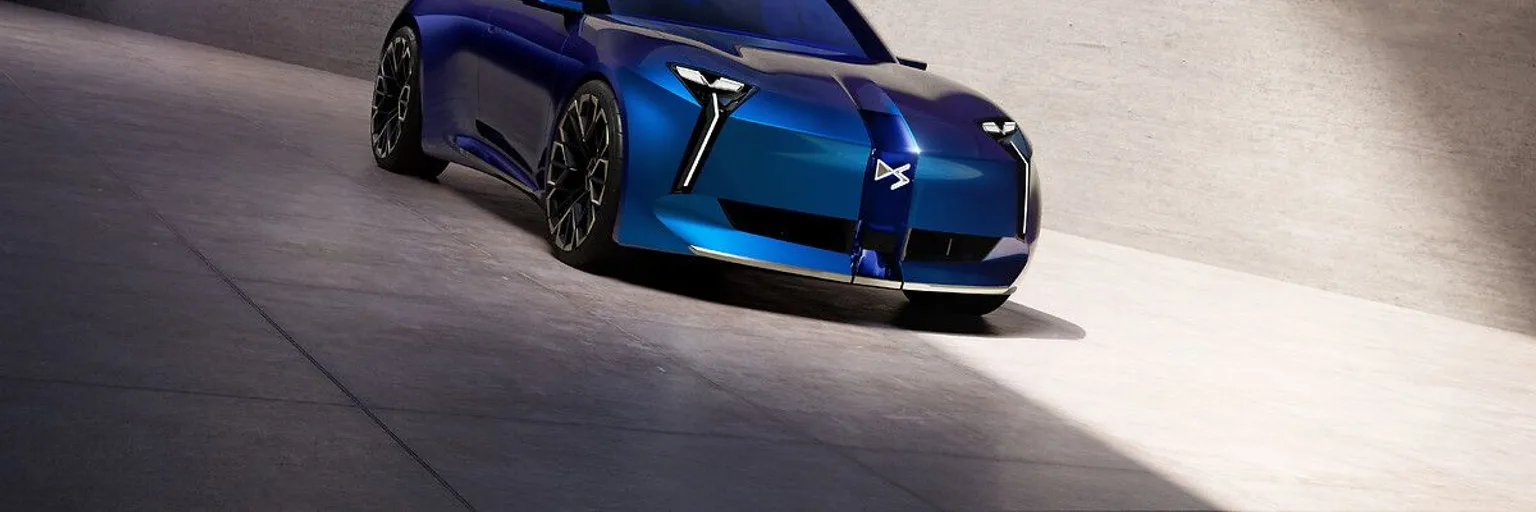
DS F3VER Concept: A Bold Design Manifesto for the Electric Age
DS Automobiles' F3VER Concept, unveiled at the Paris Motor Show, boldly redefines the brand's aesthetic with a "Design Intelligence" philosophy, setting a striking new course for its future compact EVs.
Huawei's Luxury EV Nightmare: What a Snapped Pedal Means for Safety
The repeated brake pedal failures in Huawei’s high-end Maextro V800 during emergency tests expose critical questions about rapid development and quality control, potentially undermining trust in cutting-edge automotive technology.

Citroën's Electric 2CV: A Smart Strategy, Not Just Nostalgia
By prioritizing the original's core philosophy of affordability and minimalism over mere retro aesthetics, Citroën's sub-€15,000 electric 2CV could redefine the entry-level EV market in Europe.