BYD Dolphin Mini's Tire Troubles: A Hard Lesson in Localization
Despite its surging popularity, the BYD Dolphin Mini's persistent tire availability issues in Brazil reveal how easily a seemingly minor component choice can create significant hurdles for global EV success.
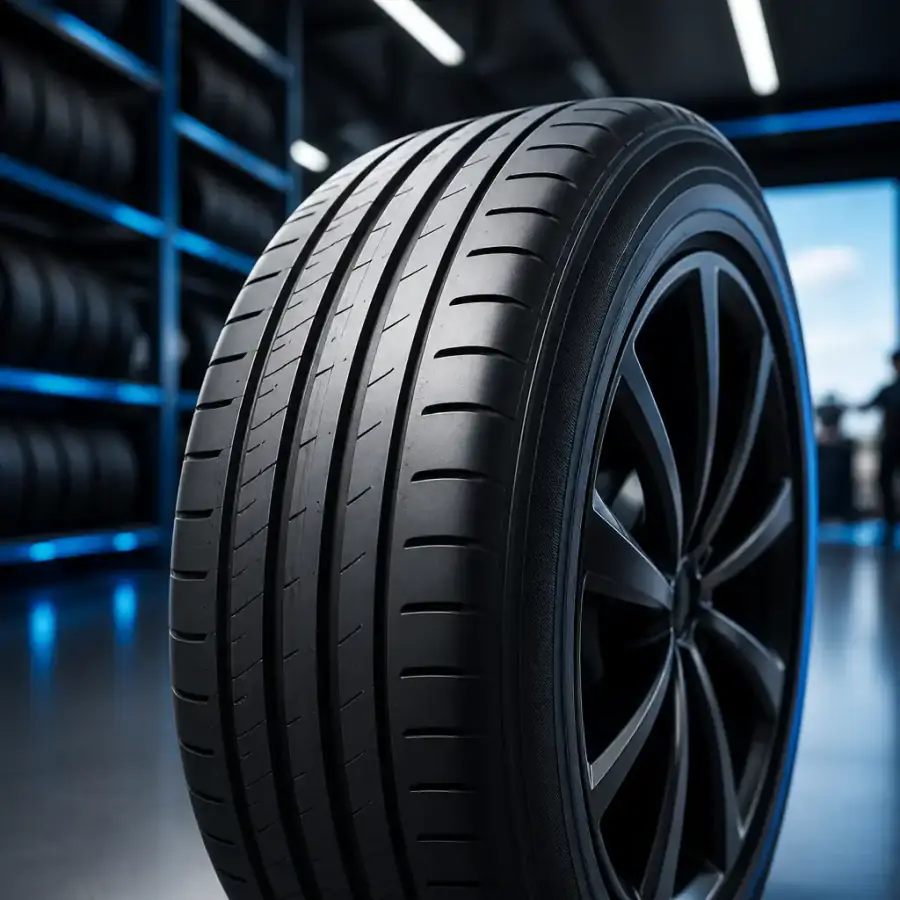
AI-generated image
The BYD Dolphin Mini has rapidly become a sensation in Brazil, ascending to the list of the country’s top 10 best-selling cars and even claiming the retail lead in its segment Autoesporte reports. This compact electric hatchback, with its nimble design and appeal to a young, urban demographic, was touted as a game-changer upon its March 2024 launch. Yet, beneath the impressive sales figures and attractive features, a nagging issue persists that highlights a critical challenge for global automakers entering diverse markets: the availability of something as fundamental as tires.
From its initial release, owners of the BYD Dolphin Mini faced a perplexing problem: the original 175/55 R16 LingLong tires were virtually impossible to replace in Brazil. This specific tire size was not stocked by the Chinese manufacturer’s Brazilian operation, leading to numerous complaints from consumers as reported by Pneufree.com.br. While LingLong has since expanded its operations to offer these tires online for around R$419 per unit, and local players like SpeedMax launched a compatible alternative in July 2024 according to ForumChinaPLP, the situation took an unexpected turn for the 2026 model year.
In an apparent effort to address the initial outcry, BYD switched its factory supplier to Hankook. However, as of October 2026, the specific Hankook iON ST AS tires for the 2026 Dolphin Mini are also not officially available for resale in Brazil, with Hankook projecting distribution only in the second half of 2026 as reported by Autoesporte. This leaves owners of the newer model in the same precarious position as their predecessors, compounded by the vehicle's lack of a spare tire, relying solely on a repair kit. The absence of official replacement options from major manufacturers like Bridgestone, Continental, Goodyear, Michelin, and Pirelli further complicates matters, pushing owners towards less common or non-original alternatives that could potentially compromise safety and drivability Garagem360 notes. The problem is exacerbated by claims from owners that these specific EV tires, designed for the additional weight of batteries and instantaneous torque, may wear out faster than conventional tires, with reports of them becoming bald at just 10,000 km.
The Local Labyrinth of Supply Chains
The BYD Dolphin Mini's tire saga is a vivid illustration of how even the most established global automotive giants can stumble on local specificities. When BYD Executive Vice President Stella Li spoke of "integrating with the specific needs of each market" upon the car's launch in March 2024 on BYD's official site, it highlighted an aspiration that, in this instance, faced practical hurdles. The car itself boasts impressive features for its class, including a 75 hp motor, a 38 kWh battery offering 280 km of range (Inmetro data), and a 10.1-inch rotating multimedia screen compatible with Android Auto and Apple CarPlay. It also features six airbags and a high-strength body structure, emphasizing safety. Yet, these sophisticated components mean little if a basic consumable item like a tire becomes a source of anxiety for owners.
This ongoing challenge underscores the often-underestimated complexity of establishing a robust and localized supply chain, especially for specialized EV components. While BYD has successfully ignited excitement for urban electric mobility in Brazil, selling 6,880 units in May alone, the tire issue risks tarnishing the ownership experience for many. For global manufacturers, it's a stark reminder that market entry demands not just competitive vehicles, but also meticulous attention to every detail of the local ecosystem, ensuring that essential parts are not just available, but readily accessible for the entire lifespan of the vehicle.
No topics yet: start the first one.
More stories
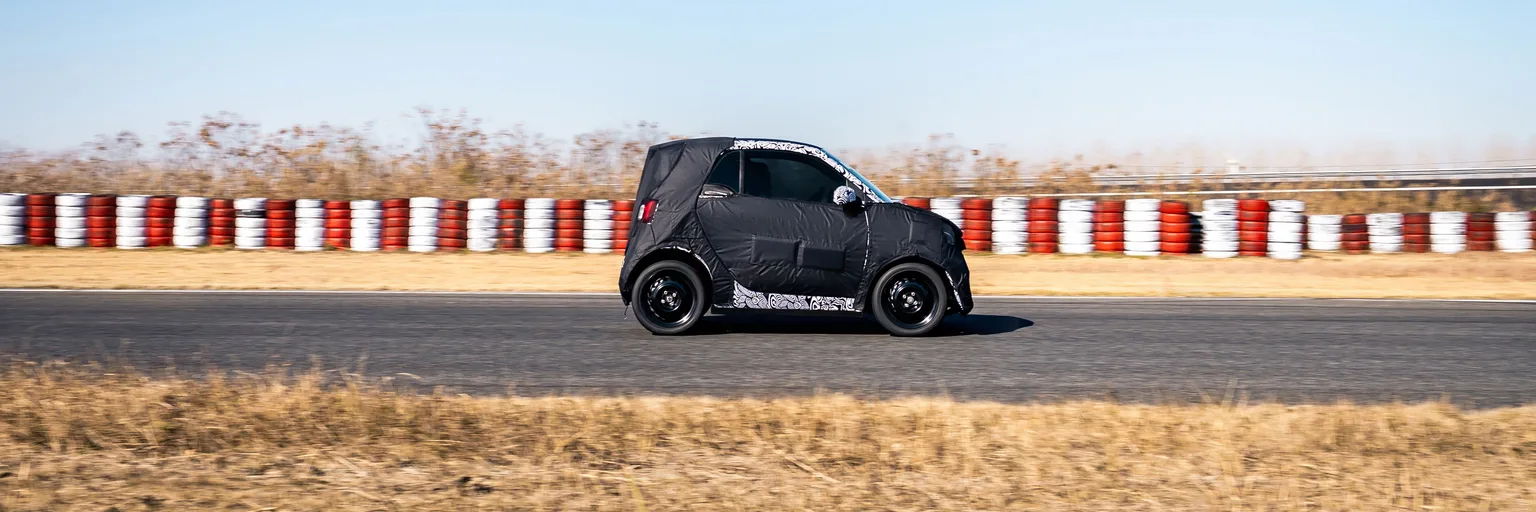
Smart #2: Can a Return to Roots Reignite Urban EV Passion?
The Smart #2, unveiled at the Paris Auto Show, aims to recapture the brand's original compact city car ethos with an affordable electric offering, but faces stiff competition in a crowded EV market.
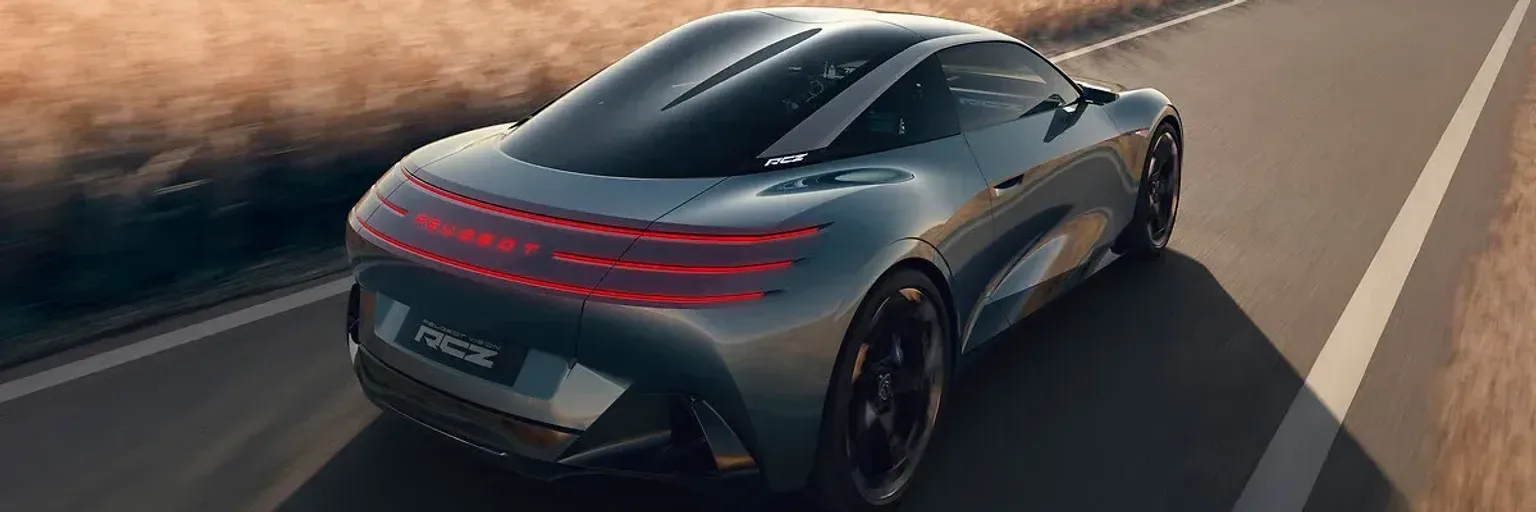
Peugeot RCZ Vision: A European Challenge to EV Convention
Peugeot's RCZ Vision concept is a bold declaration of intent, merging emotive design, cutting-edge solid-state battery technology, and promising performance to carve out Europe's unique path in the electric sports car segment.
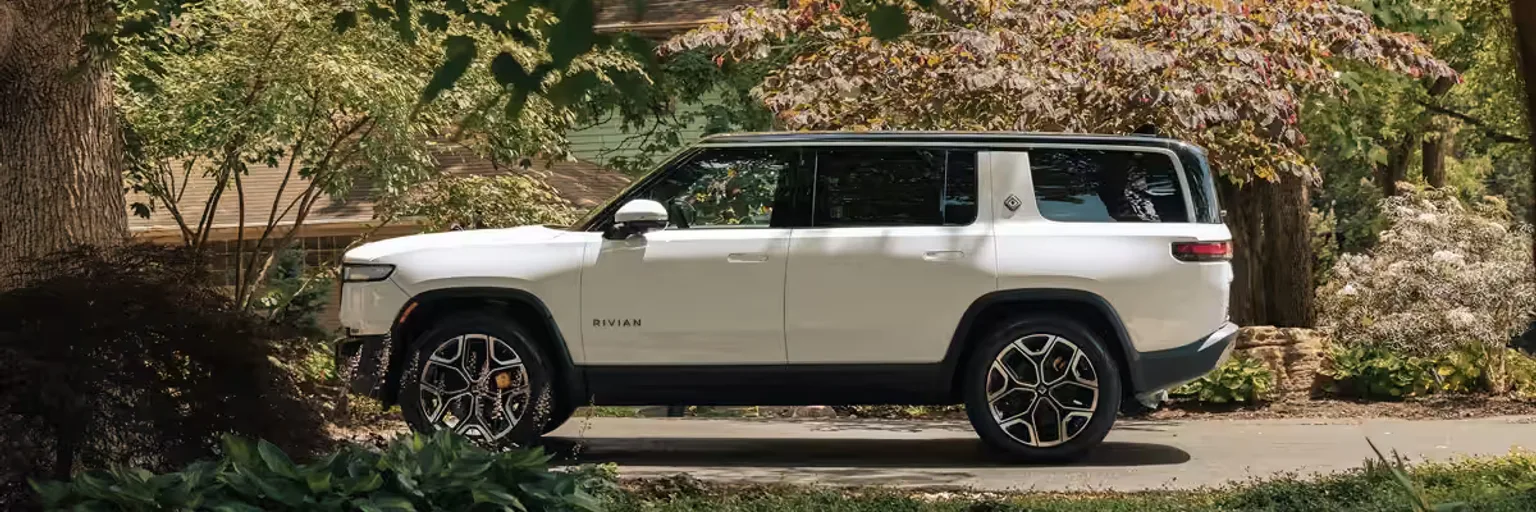
Rivian R2: The Smarter EV Future as US Market Sheds Subsidies
As the federal EV tax credit expires and sales dip, the market is shifting focus from luxury to accessible models, with Rivian's R2 emerging as a key player in this necessary correction.
BYD's Flash Charging: Europe's EV Game Changer or Just a Flash in the Pan?
BYD's impending introduction of Flash-Charging to Europe promises to drastically reduce charging times, a move that could significantly alleviate range anxiety and accelerate EV adoption, but it also highlights the urgent need for a matching infrastructure overhaul.