Antonelli's title proves Mercedes was right to bet on youth
The youngest champion in F1 history isn't a fairy tale: it's the payoff of a team that stuck with a young driver through a rough first year, and a warning for cautious rivals.
AI-generated image
Was this a fairy tale, or was it a business plan that finally came due? The tears on the team radio in Mexico City make for a lovely story. We think the better story is colder: Mercedes backed a young driver from its own academy, absorbed a rough first year, and has now been rewarded with a world championship.
On Sunday, Kimi Antonelli finished third at the Mexico City Grand Prix, behind Max Verstappen and Lewis Hamilton. That was enough to make him champion with races still to run. Eurosport puts his age at 20 years and 68 days, which makes him the youngest champion ever and takes the record from Sebastian Vettel. He is also the first Italian champion since Alberto Ascari in 1953.
The difficult first year wasn't a flaw, it was the investment
It is tempting to tell this as a sudden blossoming. The record says otherwise. ANSA notes that his first year with Mercedes was one of real difficulty, with plenty of criticism and second-guessing about whether he could handle a top team. Starts were his weak point early on. This season, by the same account, he improved them race after race and rarely put a foot wrong.
That is the part we find most instructive. Mercedes did not buy a finished product. It paid the cost of a learning year in public, and that is something many front-running teams seem unwilling to do. A top seat is expensive, and the usual instinct is to fill it with someone who will score points from day one. Mercedes accepted a bumpy year as the price of a better second one. Our reading: the title is the dividend.
He beat the safe choice in his own garage
The cleanest evidence is inside the team. Antonelli's teammate George Russell is the more experienced driver, the one ANSA calls the more accredited of the two. Going into Mexico, the standings in Leggo's preview had Antonelli on 365 points, with Russell second on 242 and Hamilton third on 241. That is a gap of more than 120 points to his own teammate in the same team, which is hard to explain away as luck.
We should be careful here. ANSA also credits the superiority of the Mercedes engine for the title. A good package helps any driver. But a package that the veteran in the other seat couldn't use as well is precisely the test, and in our view the young driver passed it.
The warning is for the teams that played safe
Ferrari is the awkward case. ANSA points out that Antonelli grew up through ACI Team Italia and the Mercedes academy, and that Mercedes decided to back him, while Ferrari did not. On Sunday the Ferrari garage spent its day on a first-corner collision between its two drivers, with Hamilton furious on the radio. Whatever the merits of the penalty, it's a long way from the calm of the team that just won the title.
We wouldn't go as far as saying youth always beats experience. One champion doesn't make a trend, and plenty of academy projects never pay off. The lesson is narrower and, we think, more useful: a young driver needs a patient team, a deep bench and the nerve to tolerate a bad year. Teams that treat their seats as guaranteed results will keep choosing the safe name, and the safe name is rarely the one who ends up making history.
Our verdict
Call it a fairy tale if you like, but Mercedes didn't get lucky. It made a bet that looked risky a year ago and now looks prescient. The rest of the grid should be asking how many talented drivers they passed over for a safer option, and how long they can afford to keep doing it.
No topics yet: start the first one.
More stories
Honda's "catastrophic" warning shows who really pays for border tariffs
A 50% tariff on Canadian autos looks like a bargaining chip, but the US-Canada assembly line means the bill lands on American buyers first.
Europe's last card against Chinese cars was the workshop. It's running out
A study says the reliability gap between Chinese and European cars shrank by two thirds in two years. The real fight now is who fixes your car, and how fast.
Senna's R$6.3 million car wasn't the Williams, and that proves the point
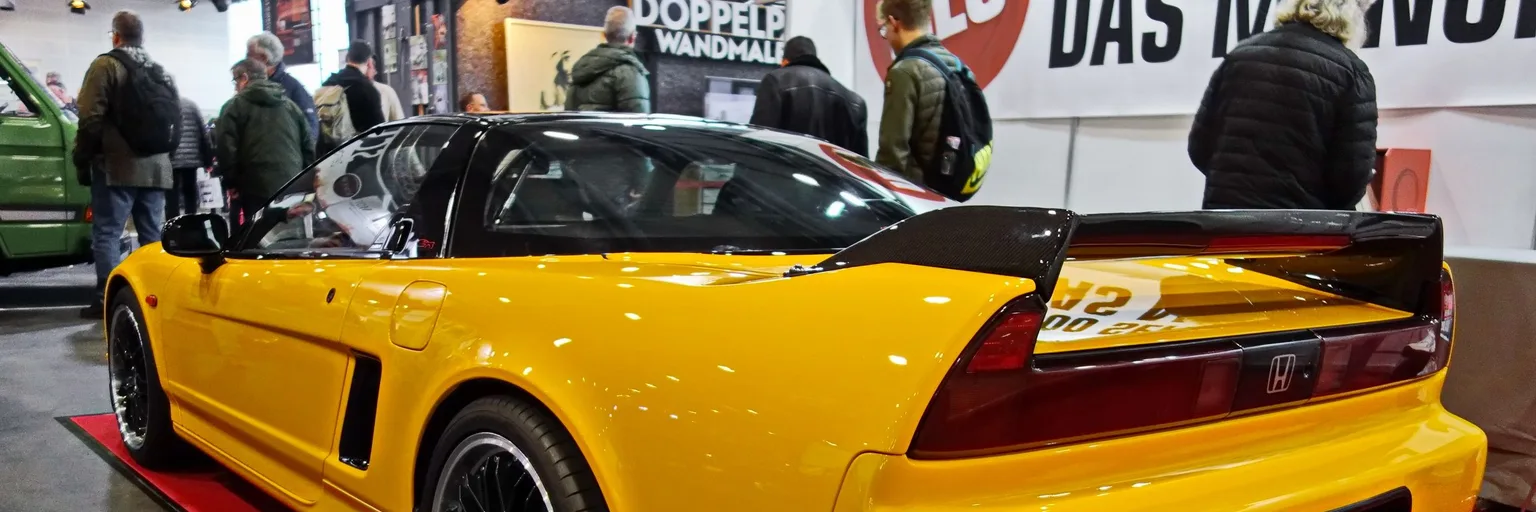
The headline price belongs to a road-going Honda NSX, not a Formula 1 car. The real Williams is still to come, and the gap tells us what collectors really buy.
Honda's Alonso failure shows a works F1 reset is a gamble
A leaking energy-recovery system stopped Alonso's Aston Martin while it ran third in Mexico qualifying. Works deals sell technology credibility, and reliability pays the bill.