Europe's driver-assist race needs one rulebook, not national shortcuts
Italy waves through Tesla's driver assist while Germany approves Mercedes' point-to-point system. Brussels should use its coming vote to set one rulebook, not let shortcuts win.
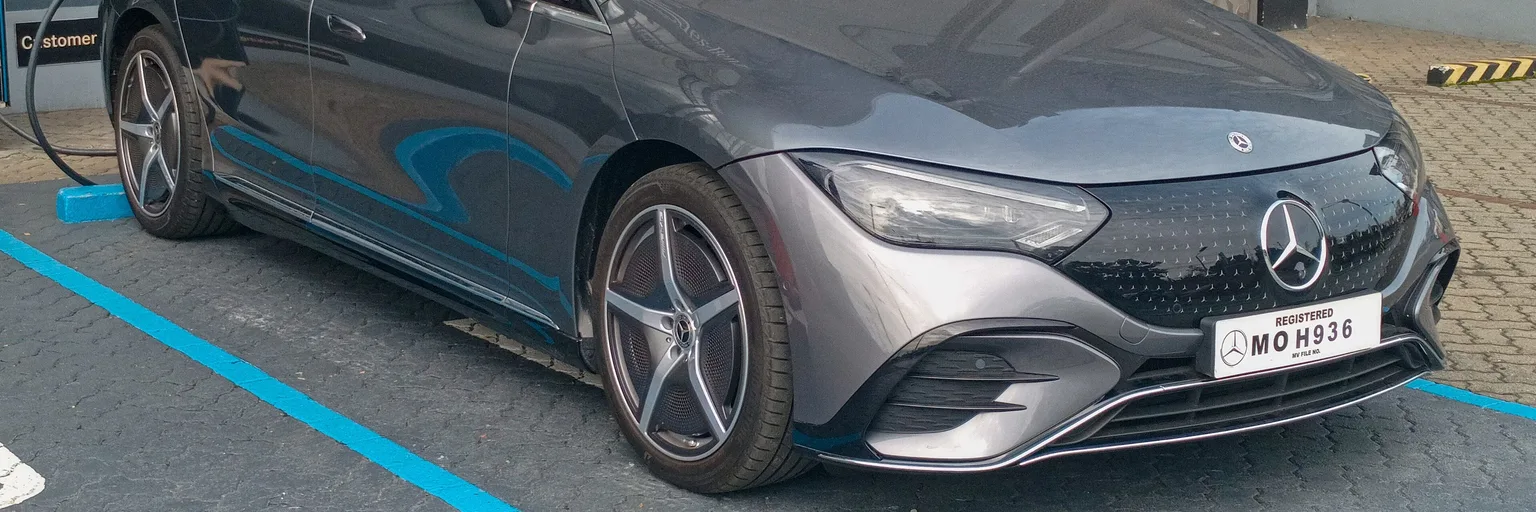
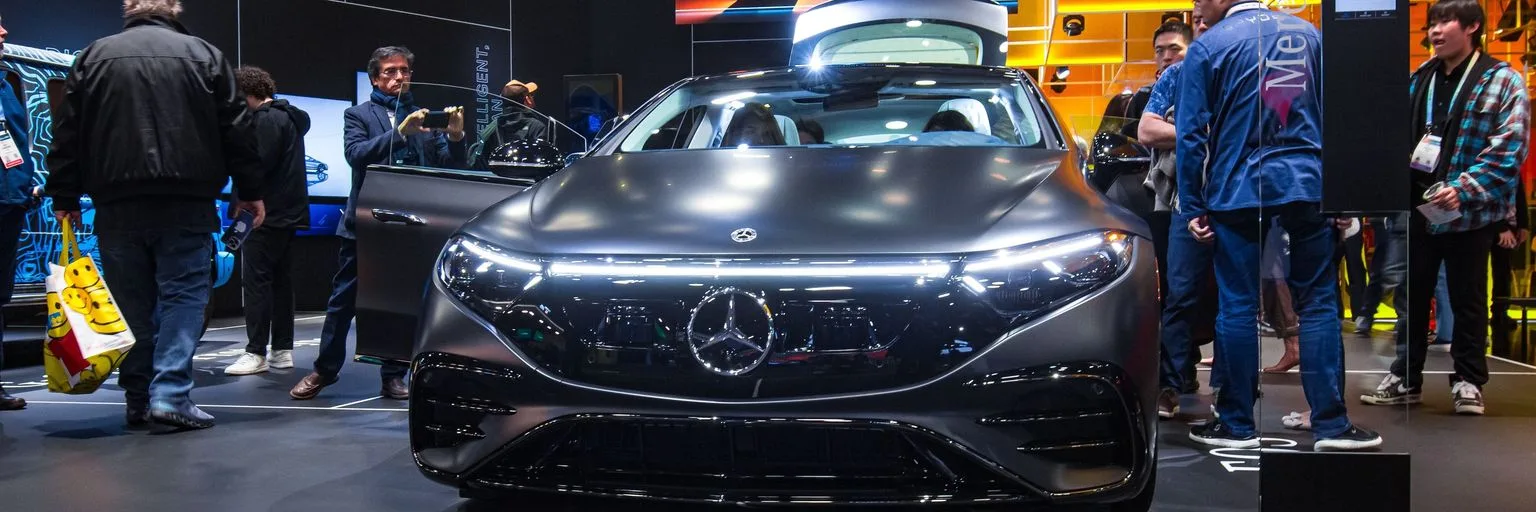
Mercedes pulling three big EVs from its German configurator is sensible housekeeping, and a reminder that a luxury EV can look dated far faster than a combustion flagship.
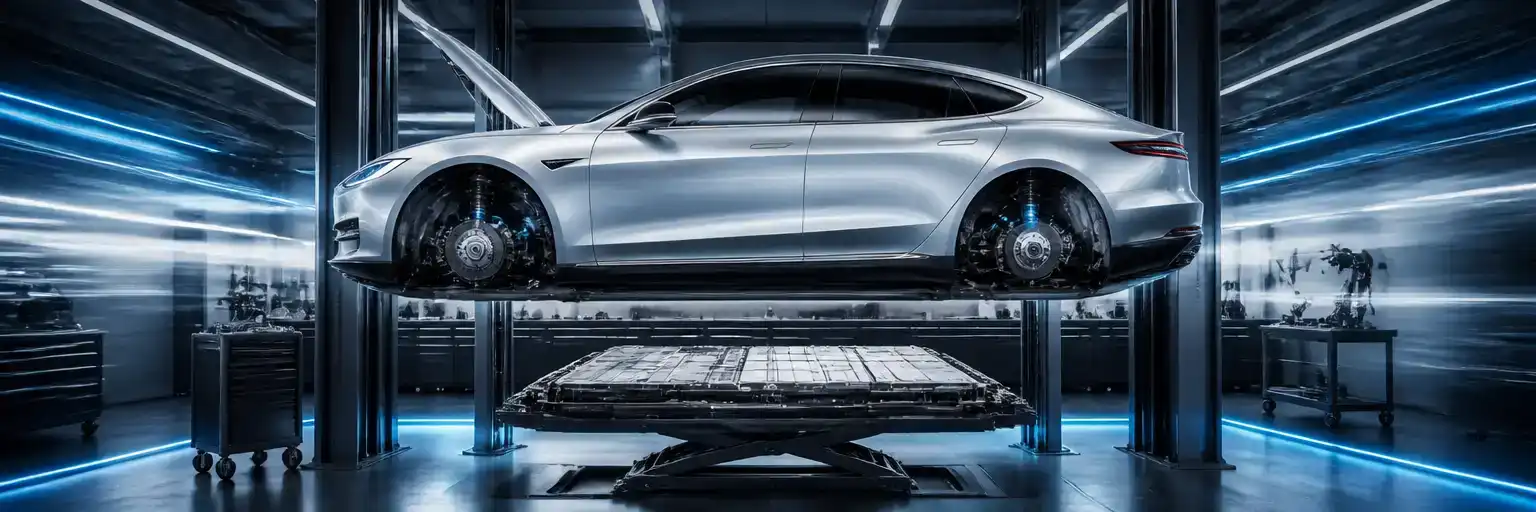
A 300,000 km Mercedes EQS reportedly needs a battery, and the quote is for a non-new pack. Luxury EVs need transparent replacement pricing, and used buyers should price it in.
Record EV numbers in Germany reward price and choice, and Chinese brands are riding the wave. But the real test comes when the subsidy money runs out.
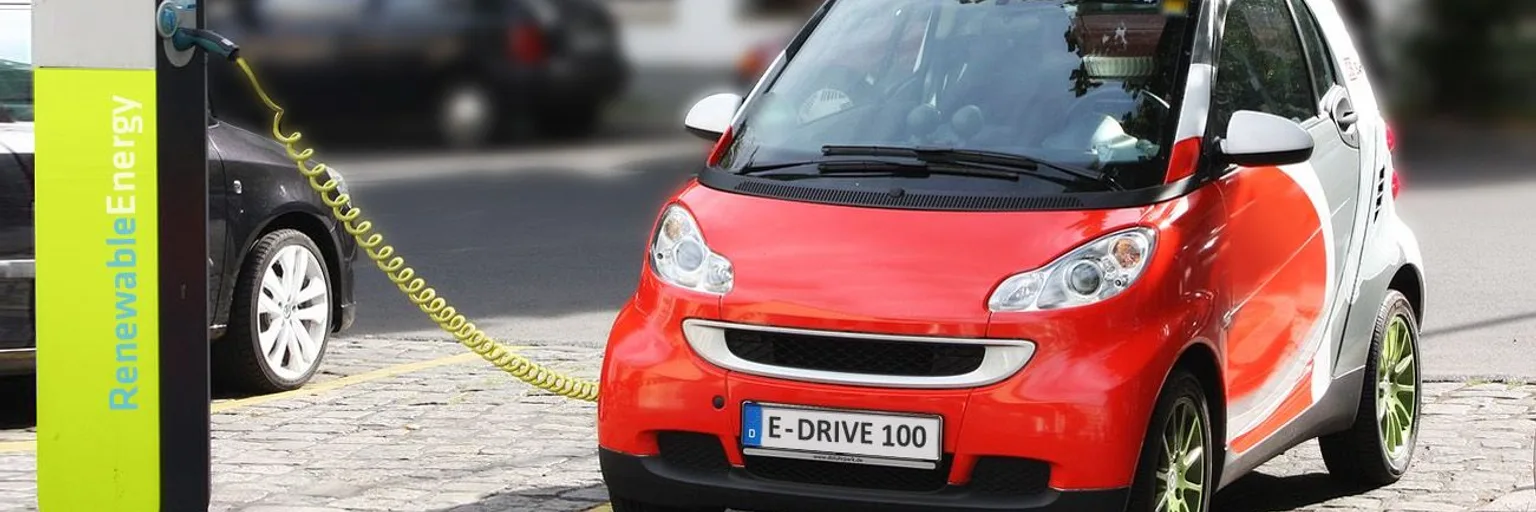
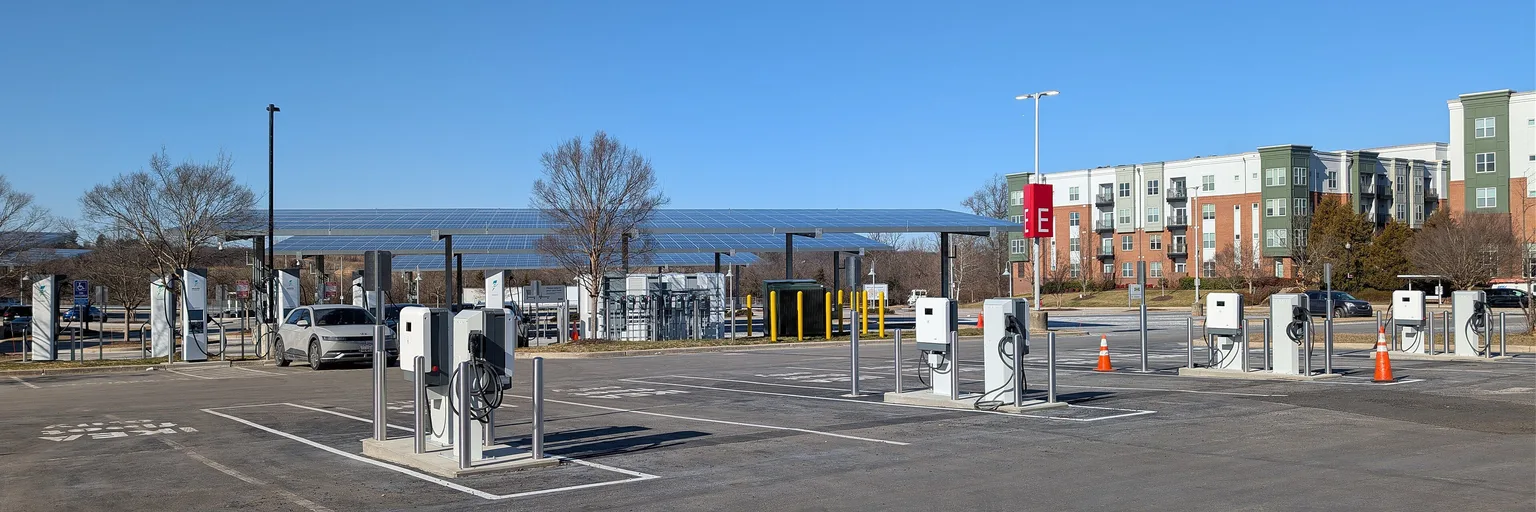
Handing 47 fast-charging stations to Electra isn't a retreat from EVs. It's a sober admission that charging is a utility business, and that partnering beats building.
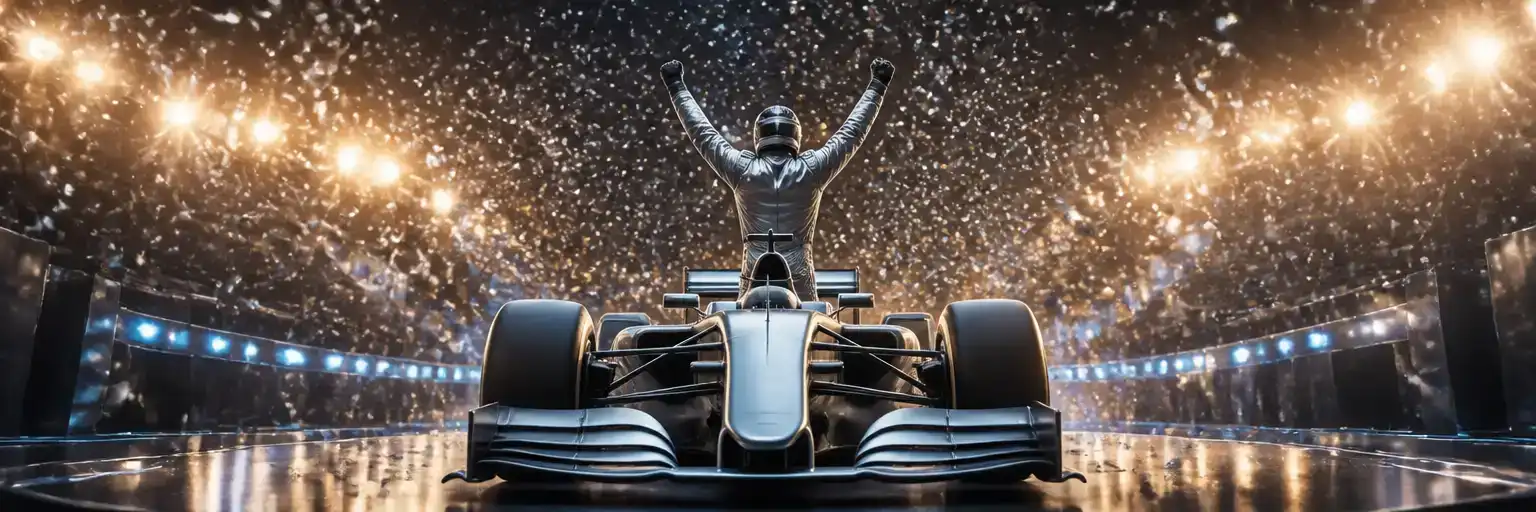
The youngest champion in F1 history isn't a fairy tale: it's the payoff of a team that stuck with a young driver through a rough first year, and a warning for cautious rivals.
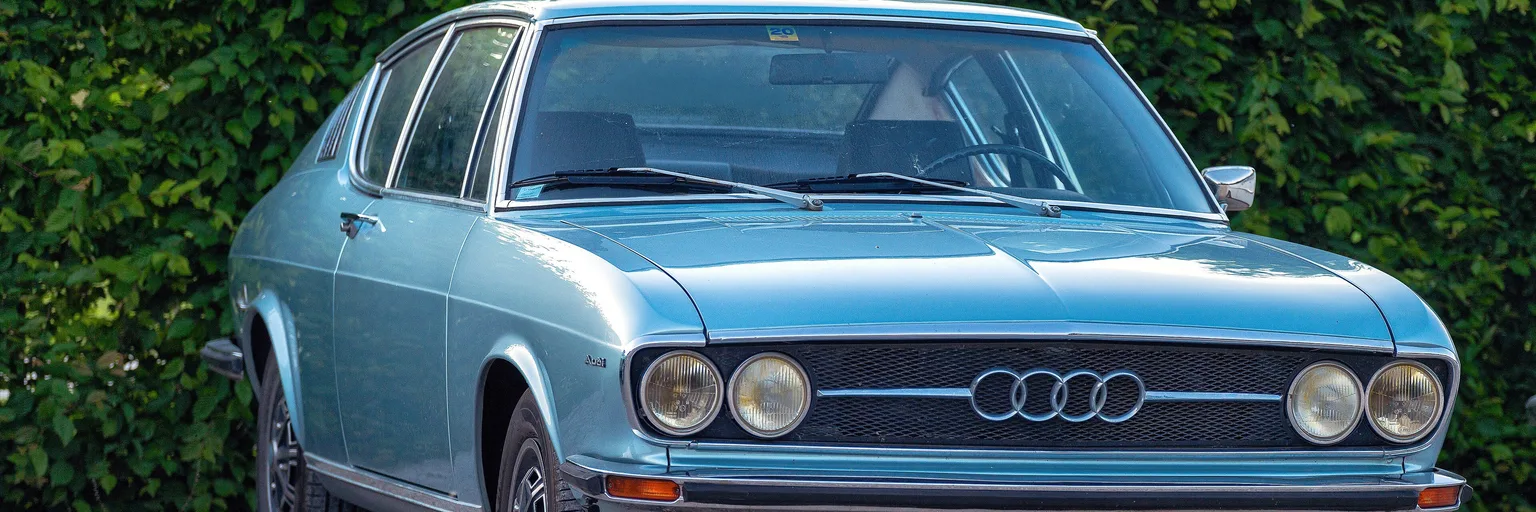
Audi kept just 13.2% of last year's Q3 profit. The cause isn't only tariffs or China: a premium brand without a US plant and with models in transition is exposed.
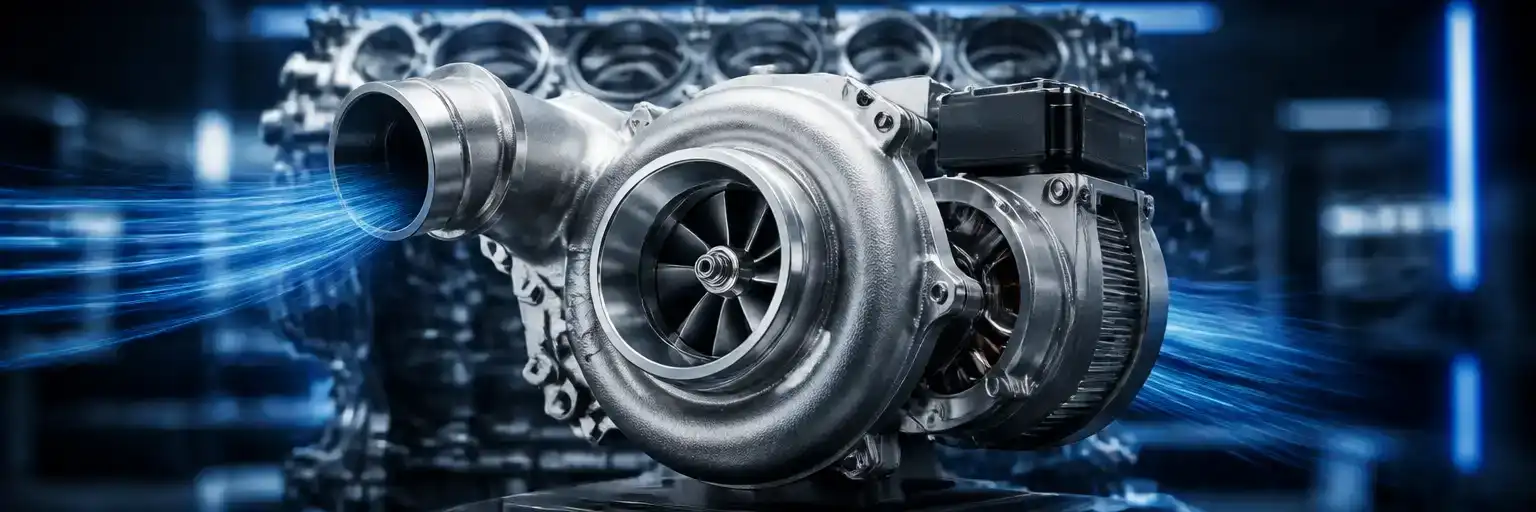
A 48-volt electric turbo on a small four-cylinder shows combustion still has tricks left, but efficiency in daily driving and long-term durability are what matter.
Tesla is still a technology force, but its slide from sixth to 11th shows that past breakthroughs are no substitute for a faster, broader product cycle.
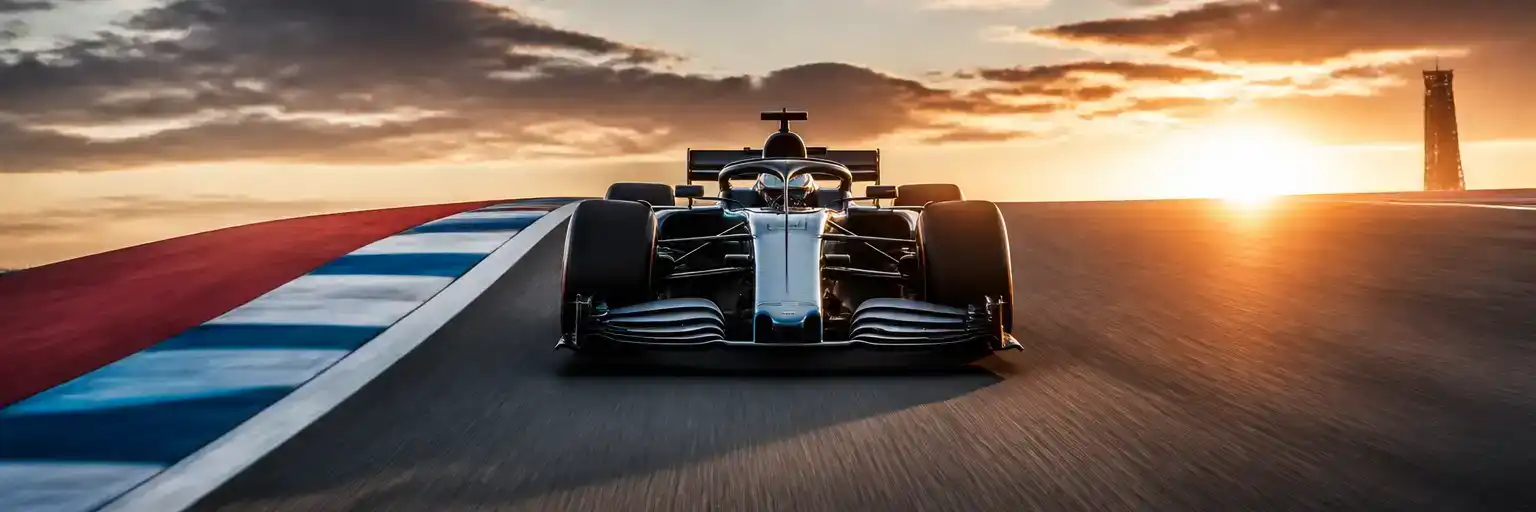
Kimi Antonelli can clinch in Austin, but the bigger story is whether Mercedes has rebuilt the speed, discipline and resilience needed to sustain a championship fight.
Mercedes-Benz's six-month order backlog for electric vehicles confirms robust consumer appetite in the premium segment, yet it exposes the industry's ongoing challenge to scale component supply and manufacturing to meet rising demand.
Mercedes-Benz's adoption of steer-by-wire in the EQS, eliminating the mechanical link to the wheels, promises radical handling but forces us to re-evaluate what true driving connection means.