Michigan's Gotion fiasco proves subsidies can't replace a plan
Michigan moved to claw back millions from a failed battery plant. The lesson isn't that incentives are bad, but that cash can't stand in for stable policy and local buy-in.


The jump over a Tesla Semi was great theater, but hours of refilling for seconds of thrust and a missing spec sheet make the 2028 Roadster a marketing play.
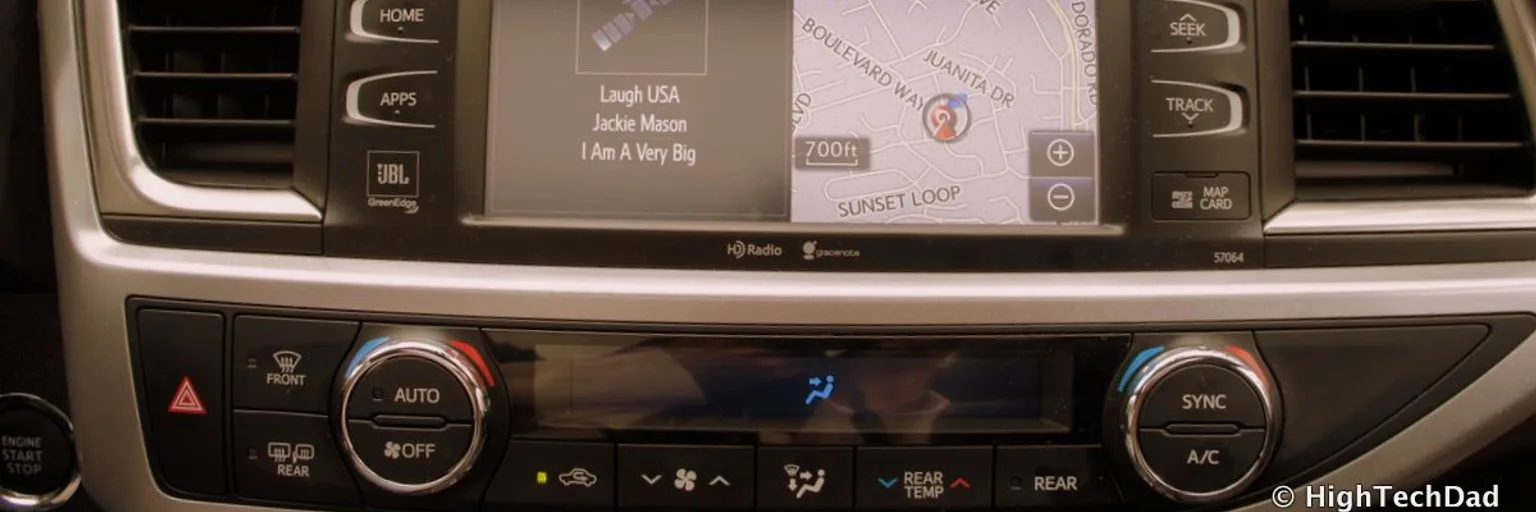
Allianz's Motor Day data suggests the real danger isn't the screen itself but what carmakers bury inside it. Core controls belong on buttons, and buyers should demand them.
Chery’s Rhino batteries promise extreme range and 12C charging, but durability, cost and real-world infrastructure will decide whether the technology matters.
GM is betting that a new computing architecture can turn autonomy from an expensive promise into useful, dependable features customers will pay for.
The CO-DRIVER NO3 brings hazard details and fuel search to a physical device, but its real test is whether the screen stays useful without becoming another distraction.
Tesla is still a technology force, but its slide from sixth to 11th shows that past breakthroughs are no substitute for a faster, broader product cycle.
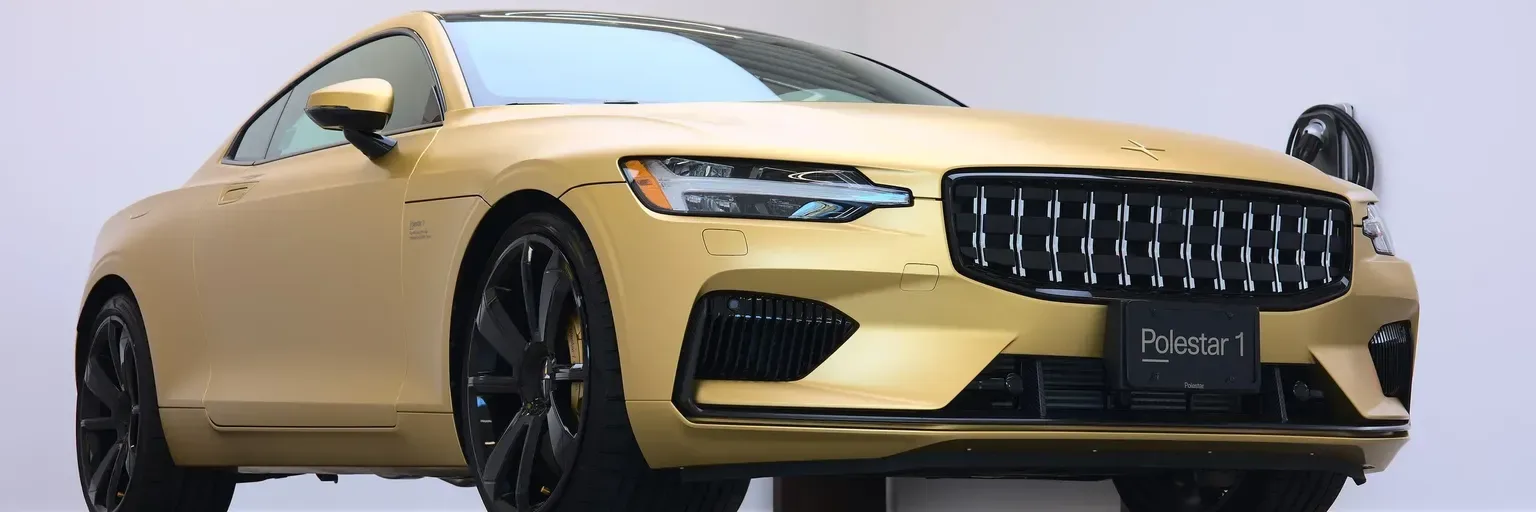
Polestar’s U.S. slide exposes a deeper weakness: a premium EV brand with too little product breadth, scale or insulation from political risk.
Chery’s premium EV push in Spain is not just another Chinese launch: it asks whether equipment, space and electric flexibility can redefine luxury.
Adrian Newey, Honda and a new gearbox give Aston Martin a credible long-term project, but the AMR26 still needs visible pace to make that promise believable.
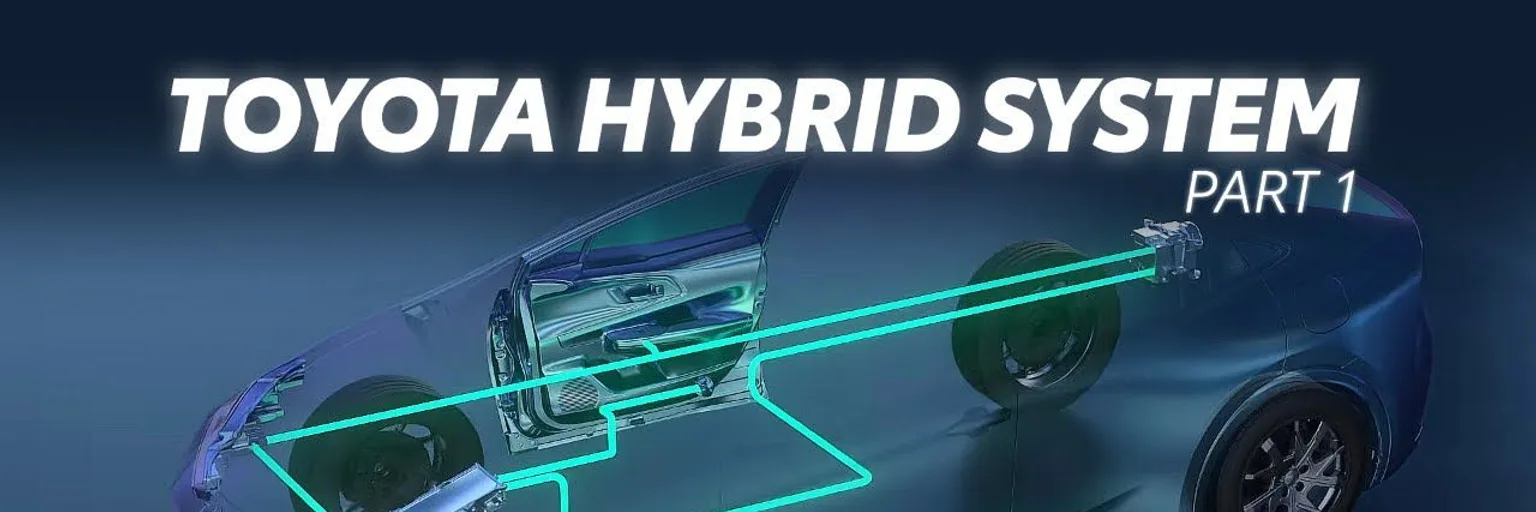
The Land Cruiser Hybrid recall is not proof that hybrid systems are unreliable, but it shows why Toyota’s reputation now depends on fast, precise fixes.
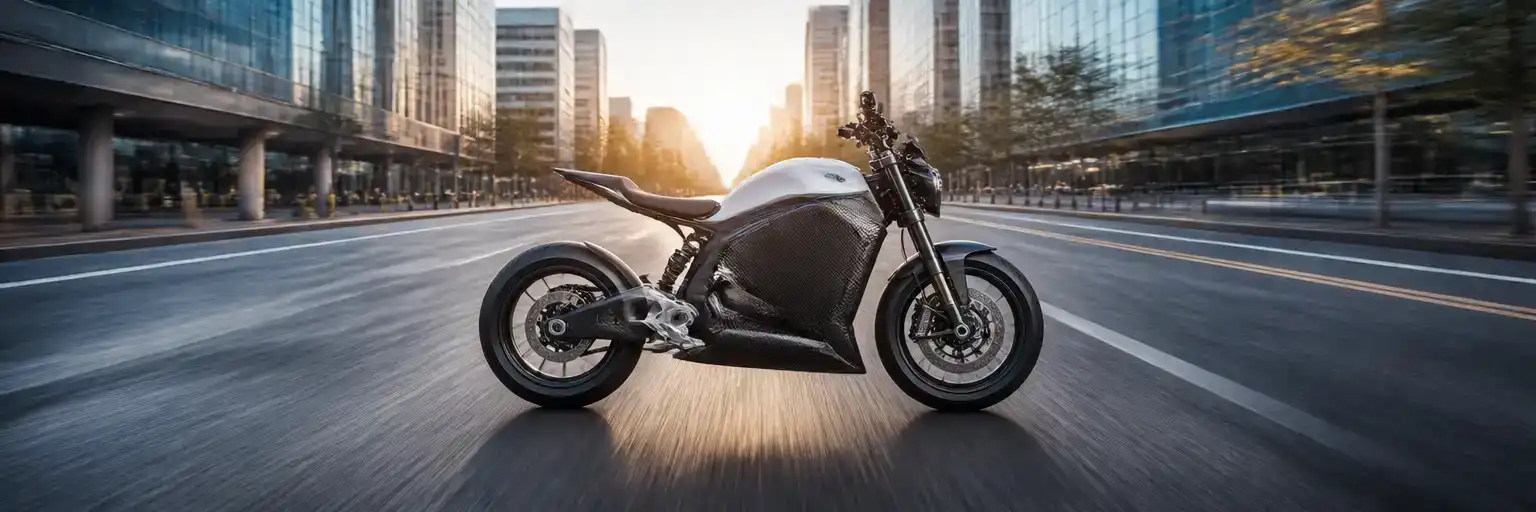
NOVUS has the design, funding and performance to make electric two-wheelers desirable. Replacing cars will depend on weather, safety, storage and ownership costs.
Kimi Antonelli can clinch in Austin, but the bigger story is whether Mercedes has rebuilt the speed, discipline and resilience needed to sustain a championship fight.
Gas prices are making electric driving more attractive, but high prices, shrinking supply and weak product access are steering buyers toward hybrids instead.
Honda’s new inline-four middleweight rejects the simplest path, betting that sound, response and character still matter more than an efficiency-first spec sheet.
Ford’s seven-model European offensive is less a numbers game than a wager on vans, SUVs and hard-working pickups—but price and production will decide it.
Li Auto’s move into batteries, motors and chips suggests the next Chinese EV advantage is accountability: making the promise feel more credible than the specification.
Antonio Filosa has acknowledged the PureTech damage, but Stellantis will regain credibility only when compensation rules and repairs become easy to verify.
Hongqi brings two gasoline SUVs to Italy, but its real challenge is turning state prestige and generous equipment into a luxury brand Europeans trust.
Obrist showed how methanol and clever hybrid hardware could address EV pain points. Bankruptcy shows that engineering elegance is only the first hurdle.