Stellantis' Ejecting Battery Patent: A Dangerous Gimmick, Not Safety Innovation
Stellantis' 'High-Voltage Battery Quick Release System' aims to ditch burning EV packs, but this patent might create more public safety hazards than it solves.
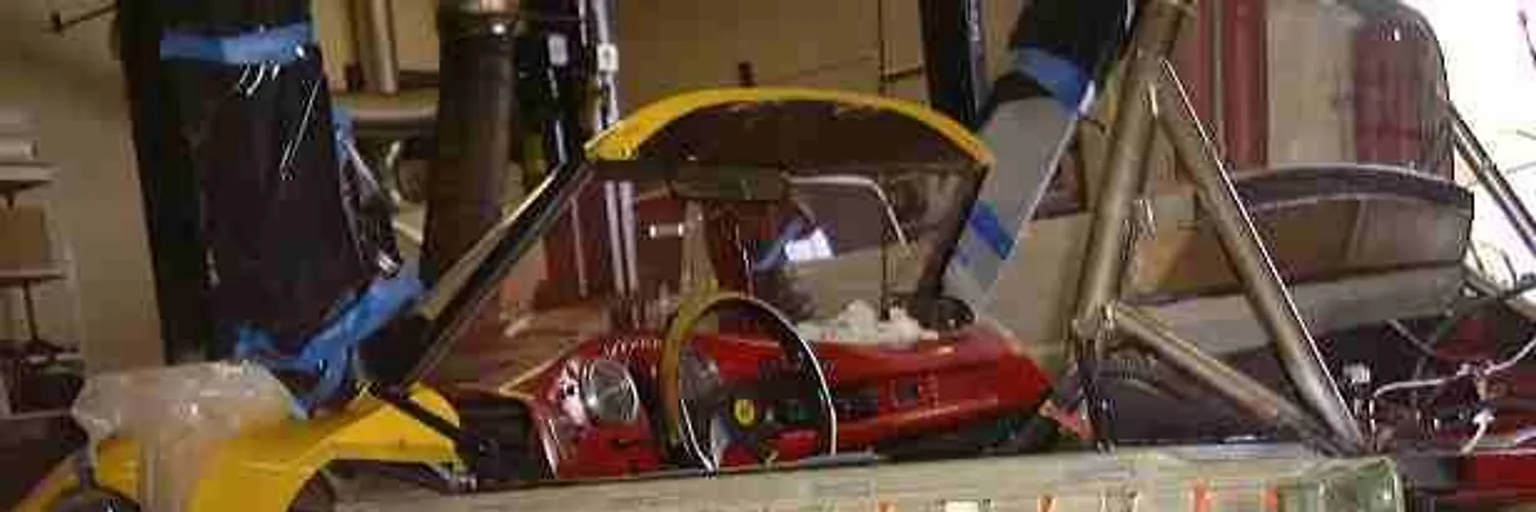
Photo: Marcuscalabresus / Wikimedia Commons (CC BY-SA 4.0)
Is the solution to a burning electric vehicle battery simply to jettison it onto the road? Stellantis seems to think so, having patented a system that can physically eject an EV’s high-voltage battery during an emergency. The patent, titled "High-Voltage Battery Quick Release System For Vehicle," was published by the USPTO on September 17, listing FCA US, Stellantis's American arm, as both the applicant and assignee. It describes a mechanism to electrically and physically disconnect a high-voltage battery when it overheats, becomes damaged, or creates a thermal event. Once detached, a low-voltage 12-volt battery is envisioned to power the motor, allowing the vehicle to drive away from the potentially burning pack.
A Dramatic Detachment and Drive-Away System
The proposed system is certainly novel. It involves a quick-release switch, which could be a lever, physical button, touchscreen control, or toggle, located either inside the cabin or in the trunk for activation by a passenger, bystander, or first responder. Upon activation, a controller initiates a sequence: first, it electrically disconnects the high-voltage battery. Simultaneously or subsequently, the mechanical connection holding the battery to the vehicle is released.
The patent describes two primary methods for this mechanical release. One involves castellated frames that slide apart, disengaging the battery. The other, perhaps more dramatically, uses "pyrotechnic features" or fasteners, where a small charge breaks the connection, effectively detaching the battery with an explosive separation. Once the high-voltage pack is on the ground, the system switches to the 12-volt battery to power the electric motor. This enables the car to move a "predetermined distance" away from the discarded pack. The patent's example describes a 16-kilowatt-hour lithium-ion pack and a 12-volt battery powering only the rear motor. This concept of ditching an overheating battery has also been explored by a Chinese research center.
The Rationale: Saving the Vehicle, Not Just Occupants
Stellantis’s filing is candid about the problem it seeks to address. While ensuring occupants can safely exit is a given, the patent primarily targets preventing the vehicle from becoming a total loss due to thermal events. As the documentation points out, a battery bolted to the chassis means a thermal event "can potentially lead to the vehicle being a total loss." The patent appears to be a strategy to keep a battery failure from resulting in an insurance write-off for the car itself.
This isn't an entirely theoretical problem for Stellantis. FCA US has issued recalls for Chrysler Pacifica and Jeep Wrangler plug-in hybrids due to internal battery failures that could lead to fires while parked or driving. For example, recall 23V-787 in November 2023 involved 32,125 Jeep Wrangler plug-in hybrids, and a larger campaign in October 2025 (recall 25V-741) covered over 320,000 Wrangler 4xe and Grand Cherokee 4xe models. The advice in these recalls often included parking vehicles outside and away from structures, highlighting the need to create distance between a failing pack and anything valuable. The patent, filed after some of these recalls, attempts to create that distance automatically after a failure begins.
Unanswered Questions and Public Safety Concerns
While the concept offers a radical approach to battery safety, significant questions remain. The patent doesn't specify how far the vehicle might travel on 12-volt power, though it's expected to be a few hundred feet rather than miles. More critically, how a standard 12-volt battery, typically sized for auxiliary systems, can effectively power a traction motor designed for a high-voltage pack is not fully detailed. These are the practical details that will determine the system's viability on real roads.
Beyond technical feasibility, the implications for public safety are considerable. Dropping a dangerously hot battery onto a busy highway or a residential street could create new, immediate hazards for other vehicles, pedestrians, or property. The patent drawings show the car driving over the dropped battery, but depositing a potentially burning object in an uncontrolled manner presents undeniable risks. Furthermore, if a fire starts in a home garage, ejecting the battery and driving away would leave the burning pack inside the garage, next to the house, potentially exacerbating the situation rather than resolving it. Stellantis has not announced any plans to put this system into production, and patents often represent exploratory concepts rather than guaranteed future products.
In our view, while Stellantis deserves credit for exploring innovative solutions to serious EV battery safety concerns, this particular patent raises more questions about real-world applicability and potential collateral damage than it provides clear answers. It looks more like a dramatic concept than a pragmatic innovation for widespread adoption, underscoring the complex challenges of managing thermal events in electric vehicles.
No topics yet: start the first one.
More stories
XPENG's Open Platform Gambit: Redefining the EV Race?
By opening its vehicle platforms, software, and chips, XPENG challenges traditional EV development, aiming to accelerate innovation and intensify competition across the global automotive landscape.
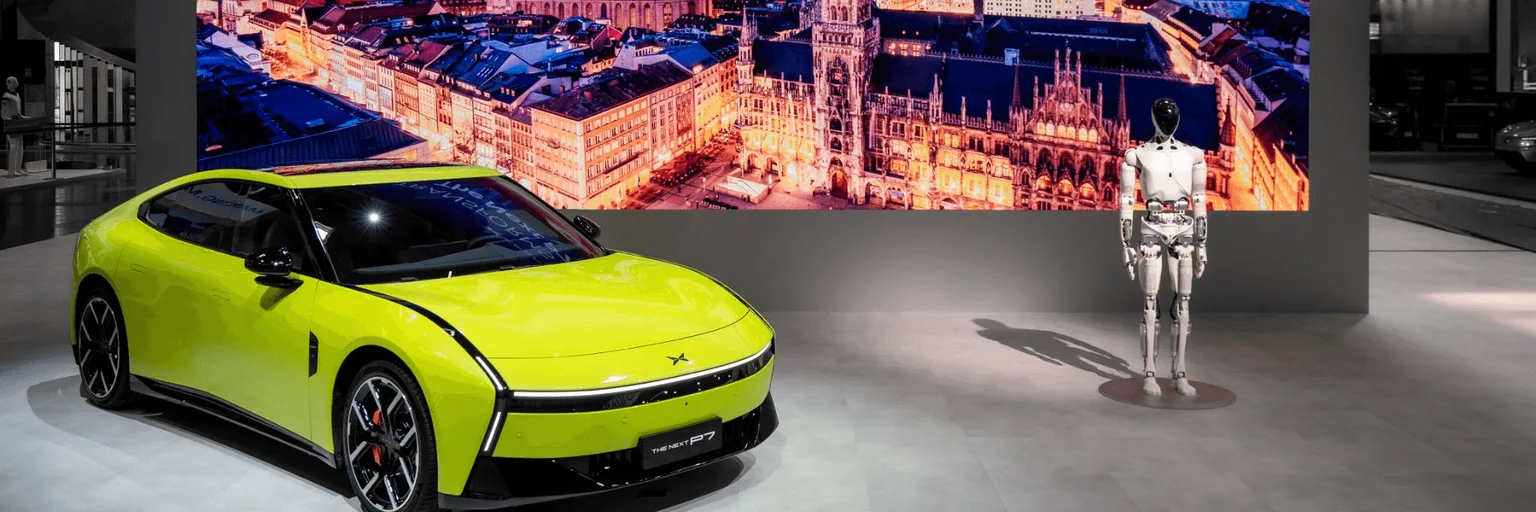
Hyundai's European Pivot: Design and Diversity Drive Resurgence
Through the new European-designed Ioniq 3 and the refined Tucson N Line, Hyundai is strategically deploying distinctive aesthetics and a broad range of powertrains to strengthen its position in Europe.
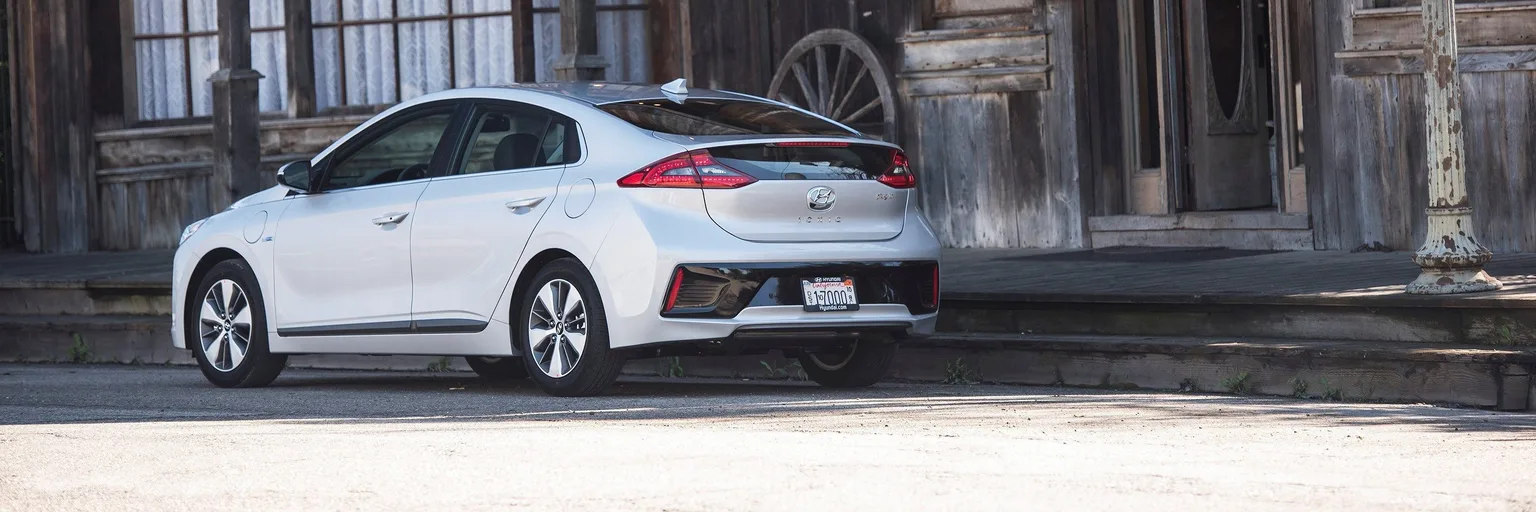
BYD Da Han EV: A New Standard for Electric Luxury, But Can It Go Global?
BYD's new Da Han EV redefines expectations for electric luxury, boasting an astounding 1,000 km range and record-breaking 9-minute charging, but its global impact hinges on infrastructure and pricing.
EV Battery Degradation: A Fading Fear and a Brighter Future
A comprehensive new study dismantles the pervasive myth of rapid electric vehicle battery degradation, signalling a pivotal shift in consumer confidence and the future of the used EV market.