EV Battery Degradation: A Fading Fear and a Brighter Future
A comprehensive new study dismantles the pervasive myth of rapid electric vehicle battery degradation, signalling a pivotal shift in consumer confidence and the future of the used EV market.
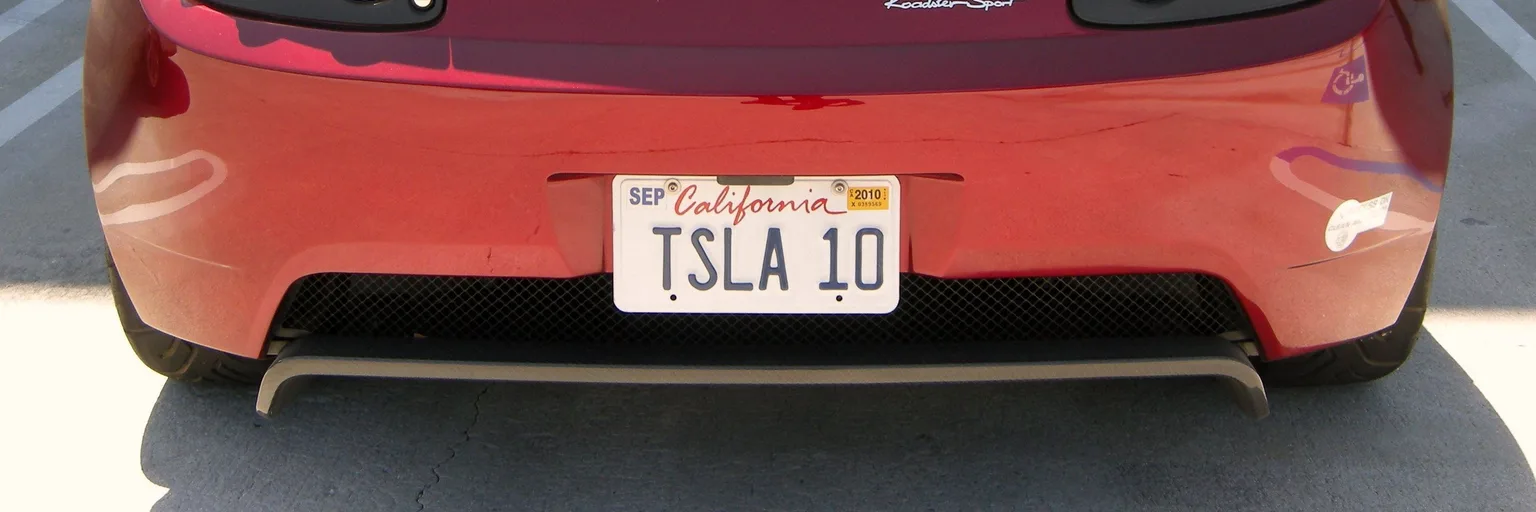
Photo: User D0li0 on en.wikipedia / Wikimedia Commons (CC BY-SA 3.0)
For years, one of the most persistent anxieties around electric vehicles has been the supposed rapid degradation of their batteries. The fear of a costly replacement loomed large, often deterring potential buyers and contributing to a perceived lower resale value for used EVs. However, a significant new study, the largest of its kind, has arrived to decisively debunk this notion, revealing that EV batteries are far more resilient than commonly perceived.
This groundbreaking research suggests that the narrative surrounding EV battery longevity is largely outdated. Instead of a precipitous decline in performance, real-world data indicates a much more gradual and manageable rate of degradation, painting a far more optimistic picture for the lifespan and overall value of electric cars. The implications are profound, potentially reshaping public opinion and accelerating the transition to electric mobility.
Debunking the Myths: A New Reality for EV Longevity
The core finding that should alleviate much of the public's concern comes from an updated analysis published by Geotab on January 13, 2026. This extensive data, encompassing over 22,700 real-world vehicles, reveals an average annual battery degradation rate of just 2.3%. This figure, while a slight increase from their 2024 findings, still translates to retaining over 80% of battery capacity after a solid eight years of use, as Motorwatt also reported. More broadly, these observed degradation rates suggest an average lifespan of EV batteries around 13 years or even more.
Indeed, some sources go further, indicating that modern EV batteries can realistically last 10 to 20 years before their capacity dips below the 80% threshold, with the interesting observation that degradation tends to slow down after the initial few years, according to Carbuzz in September 2026. This contradicts the widespread belief that EV batteries are a ticking time bomb for an expensive replacement. The reality is a durable, long-lasting component that can easily outlive the typical ownership period of many vehicles, a fact that has not yet permeated public consciousness, leading to an unfair depreciation of used EVs, as AutoTrader.ca recently highlighted.
Smart Tech: Beyond Chemistry to Longevity
The extended lifespan we are witnessing isn't solely a result of incremental improvements in battery chemistry. A significant portion of this resilience comes from increasingly sophisticated technological advancements in how these battery packs are managed.
No topics yet: start the first one.
More stories
Moke Electric Mk2: Redefining Niche Mobility with Uncompromised Charm
The Moke Electric Mk2’s significant upgrades, particularly in range and practicality, illustrate how niche electric vehicles are thriving by expertly catering to leisure-focused urban and coastal mobility, sidestepping the mass market EV race.

EV Battery Fires: The True Story Behind the Hype and How Europe Responds
Despite dramatic headlines, electric vehicles are statistically less prone to fire than gasoline cars, yet their unique battery characteristics demand stricter safety measures, which new EU regulations aim to provide.

EVs aren't just for driving: They're your next home power plant
Vehicle-to-Home (V2H) technology transforms electric vehicles into essential, resilient components of home energy infrastructure, providing silent, sustainable backup power during outages and new avenues for smart energy management.

Tesla Roadster's Hover Promise: Innovation or Costly Distraction?
After years of delays and ambitious claims, the Tesla Roadster's long-awaited reveal is here. We examine if its 'hovering' tech is an actual revolution or merely a flashy distraction in a mature EV supercar market.