Tesla Roadster's Hover Promise: Innovation or Costly Distraction?
After years of delays and ambitious claims, the Tesla Roadster's long-awaited reveal is here. We examine if its 'hovering' tech is an actual revolution or merely a flashy distraction in a mature EV supercar market.
Photo: einstraus / Wikimedia Commons (CC BY-SA 2.0)
When Tesla first unveiled the second-generation Roadster several years ago, the electric vehicle landscape was a dramatically different place. The idea of a supercar promising record-shattering acceleration and extensive range felt like pure science fiction. Now, after repeated delays, the Roadster 2 is finally set for a livestream reveal on October 15, 2026, almost nine years behind its initial 2020 production target. The critical question isn't merely if Tesla can deliver on its ambitious promises, but whether those promises, particularly the audacious 'hovering' capability, still hold the same disruptive power in an EV market that has not only matured but is now teeming with high-performance competitors.
Tesla's journey with the Roadster 2 has been a saga of anticipation and postponements. Its debut has been pushed back multiple times, with its next-generation Roadster event now set for October 15, 2026. This extended wait has allowed the rest of the automotive industry to catch up, and in many cases, leapfrog Tesla's early lead in performance EVs. Production, for instance, is anticipated to begin in 2027, according to Wikipedia). The upcoming livestream event, confirmed by outlets like Teslarati and Electrek, and reported to be from Waco, Texas, is poised to finally offer a concrete look at what has remained largely a concept for too long.
The Hovering Roadster: Innovation or Illusory Gimmick?
Perhaps the most provocative and certainly the most 'Muskian' claim surrounding the Roadster 2 is its supposed ability to hover. Elon Musk himself has entertained the idea of the car hovering a meter or six feet above the ground, stating that if it were to plummet, "it’ll blow out the suspension, but you’re not gonna die," and adding that a height limit would likely make it "fine." He also suggested it could be drivable while hovering and "pretty fast" (Mashable, InsideEVs). This concept, part of the optional "SpaceX package," involves cold-gas thrusters placed underneath the vehicle.
While the prospect of a hovering supercar is undeniably exciting and pushes the boundaries of automotive engineering, we question its practical application and value. Concerns have been raised on forums about potential issues like extreme noise and the possibility of hot thrust destroying pavement or creating flying debris, presenting major liability issues. Ross Gerber, an investment advisor, has gone so far as to label the hovering feature "a gimmick," suggesting Tesla might only produce "a few hundred" Roadsters rather than a mass-market vehicle (Benzinga). While the core Roadster promises record-setting acceleration, range, and performance, the focus on a speculative hover feature might distract from its fundamental capabilities as an electric sports car.
Years of Delays: A Maturing Market's New Reality
The Roadster's development timeline has been anything but smooth. Initially targeting a 2020 production start, the vehicle has seen numerous delays. Musk himself in a 2021 podcast with Joe Rogan hinted at customer deliveries as early as 2022, a target that clearly wasn't met. Now, nearly nine years past its original projection, we're looking at a reveal event in October 2026 and an estimated production start in 2027. This prolonged gestation period has fundamentally altered the competitive landscape.
When the Roadster was first conceived, the high-performance EV market was largely nascent, with Tesla as a pioneering force. Today, the scenario is drastically different. We've seen a surge of formidable competitors, with vehicles like the BYD Yangwang U9 and Lotus Evija entering the fray, offering blistering performance and cutting-edge technology (TopElectricSUV). These new players mean the Roadster no longer enjoys the uncontested technological advantage it once did. The "crazy, crazy technology" Musk promised for the Roadster 2.0 must now not only be innovative but also demonstrably superior to an increasingly capable field.
The Price of Performance: A Niche Product in an Evolving Segment
The new Tesla Roadster is expected to command a premium price, with estimates starting around $200,000 and the Founders Series model potentially reaching $250,000 (Car and Driver, MotorTrend). This places it firmly in the ultra-luxury supercar segment, competing with established brands and increasingly sophisticated electric hypercars. Tesla's official site describes it as "the quickest vehicle in the world," highlighting its performance attributes. However, for a vehicle aimed at redefining what's possible in an all-electric supercar, the conversation around a hovering feature risks overshadowing the genuine engineering achievements in acceleration, range, and overall performance.
Ultimately, the October 15th event needs to offer more than just a spectacle of a car lifting off the ground. It needs to convincingly demonstrate how the Roadster 2 justifies its price point and prolonged development time in a competitive market. The original Roadster redefined electric performance, and its successor needs to do the same, focusing on substance over mere novelty. We believe the true test for the new Roadster will be its ability to integrate its ambitious features into a coherent, reliable, and genuinely superior driving experience, rather than relying on a single, albeit sensational, gimmick.
No topics yet: start the first one.
More stories
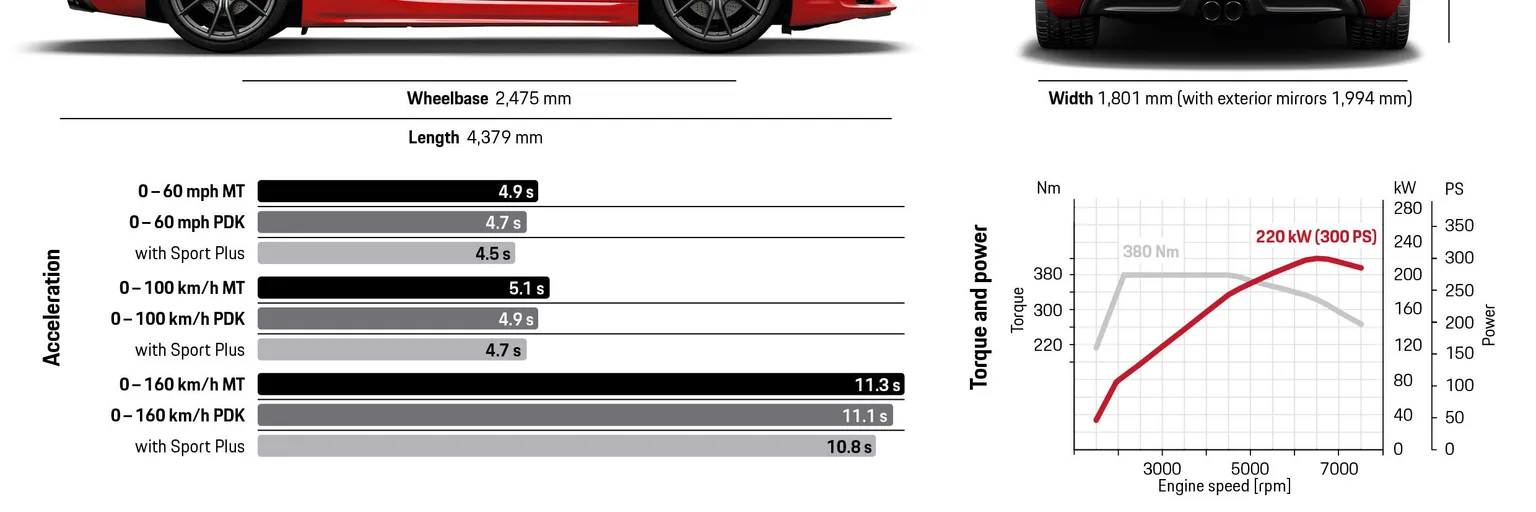
Porsche's Electric 718 Battery Gamble: Mid-Engine Magic or Misstep?
Porsche's audacious decision to place the electric 718's batteries behind the seats is a bold reaffirmation of driving dynamics, challenging conventional EV design to preserve the sports car's soul.
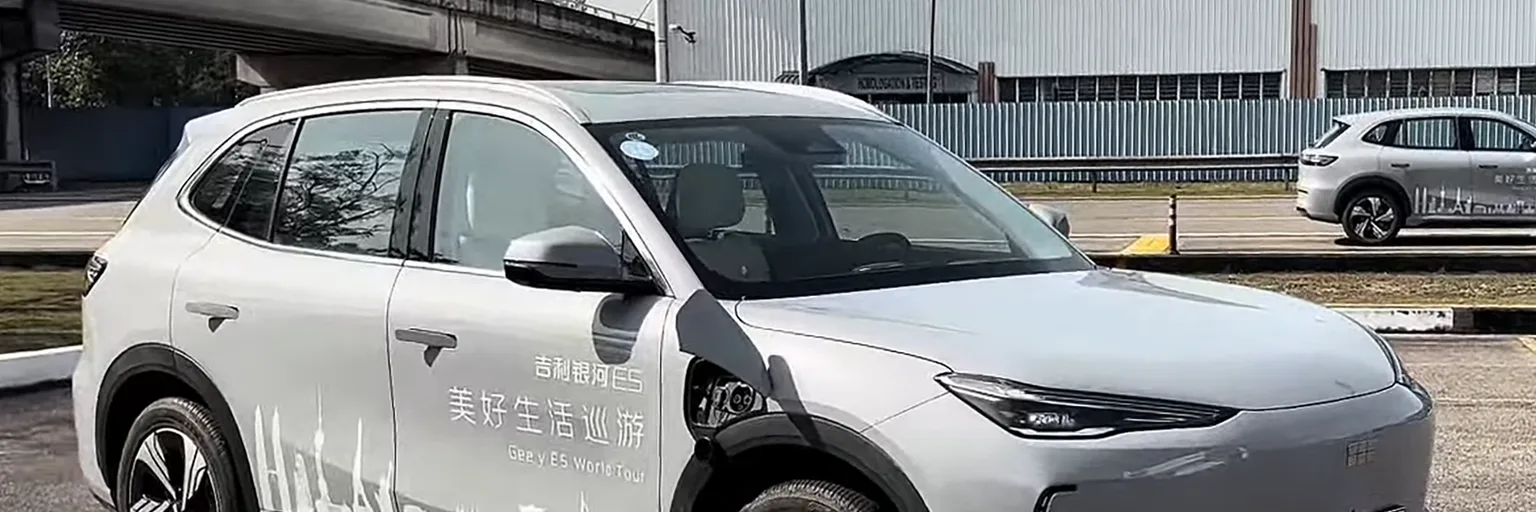
Geely E5: Redefining Value in Europe's Electric SUV Segment
Geely's E5 electric SUV arrives in Italy with a competitive price and impressive range, challenging established automakers and signaling a new era for affordable, feature-rich EVs.
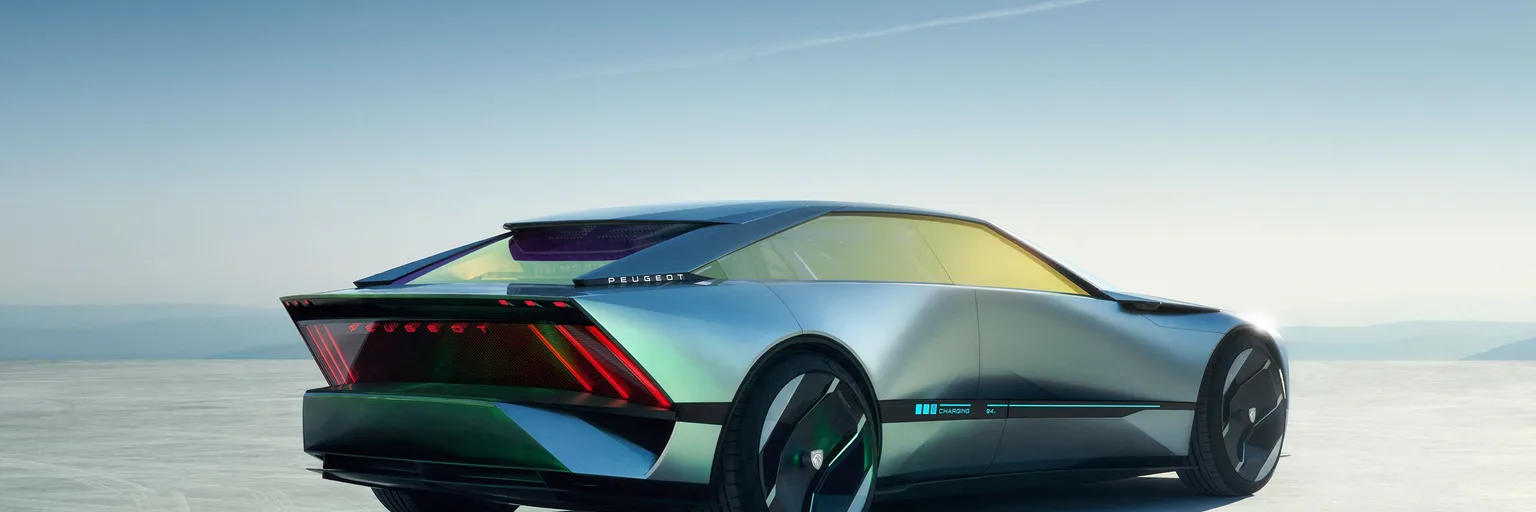
Peugeot E-T16 Concept: A Rally Legend's Electric Roar Reshapes EV Future
Peugeot's E-T16 Concept, an 816 hp electric homage to the 205 Turbo 16, proves that raw emotion and heritage are vital for EVs, not just raw power.
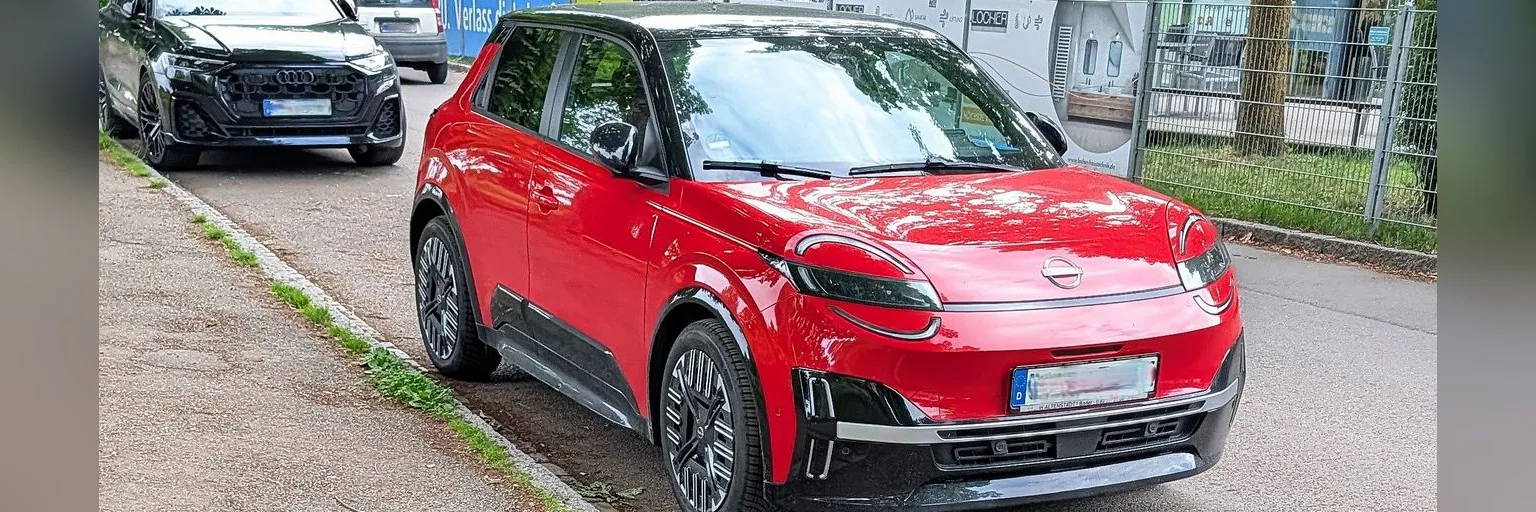
The Electric Nissan Micra: Redefining Affordable EV Expectations
Nissan's new all-electric Micra directly challenges the high cost and range anxiety perceptions of EVs, positioning itself as a practical and accessible option for broader adoption.