EV Battery Fires: The True Story Behind the Hype and How Europe Responds
Despite dramatic headlines, electric vehicles are statistically less prone to fire than gasoline cars, yet their unique battery characteristics demand stricter safety measures, which new EU regulations aim to provide.
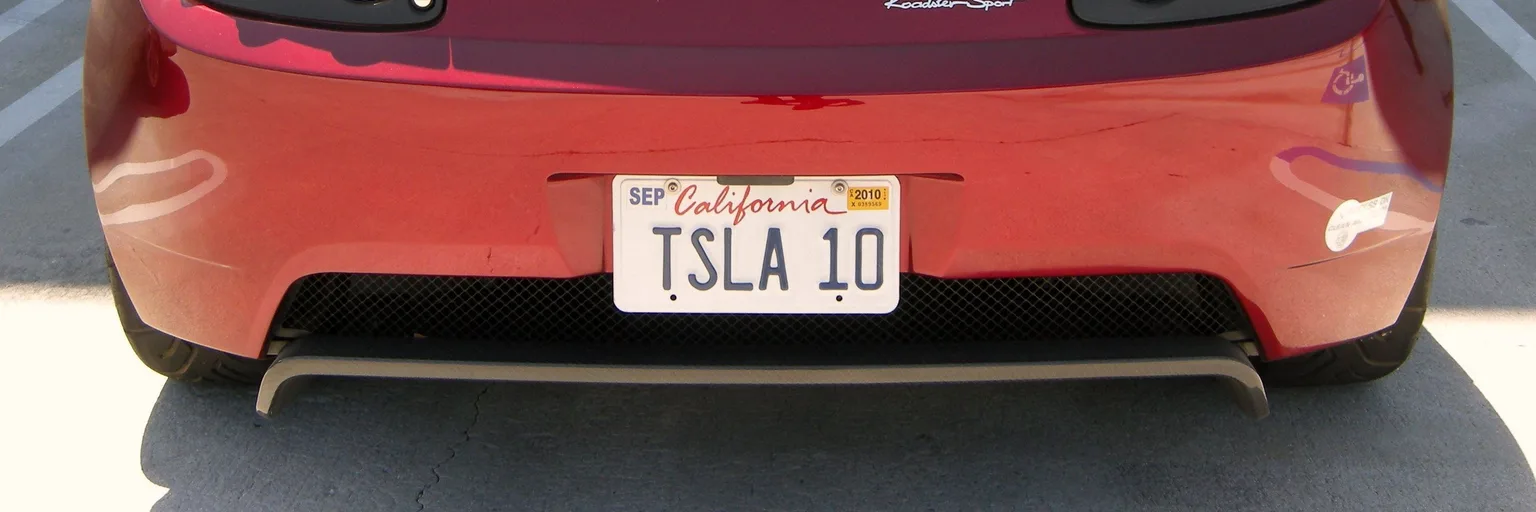
Photo: Mj-bird / Wikimedia Commons (CC BY 4.0)
Are electric cars truly more dangerous than their gasoline counterparts, or is the public perception of EV fires dramatically skewed? The European Union is now actively addressing battery safety in electric vehicles, particularly the phenomenon of thermal runaway, aiming to increase consumer confidence. This regulatory push is a critical step, acknowledging the unique challenges of EV fires while reinforcing the fact that electric vehicles are, on the whole, safer.
The recent move by European deputies to frame electric vehicle safety and protect batteries from thermal runaway comes amid a backdrop of dramatic incidents, where some EVs have reportedly caught fire due to technical failure, rather than solely collisions [3]. This has brought the often-misunderstood threat of battery fires into sharp focus, prompting a necessary reevaluation of safety protocols.
The Misunderstood Threat of Thermal Runaway
At the heart of the concern lies thermal runaway, a critical safety issue where a lithium-ion battery cell experiences an uncontrollable temperature increase. This leads to a chain reaction of heat that can self-sustain and reach extreme temperatures of up to 1,000°C [3, 8, 4]. This process can cause the battery to off-gas, releasing flammable gases that may ignite, sometimes explosively [5, 4, 18]. Once ignited, EV battery fires pose unique challenges for emergency services: they can last significantly longer than a conventional car fire, and are difficult to extinguish using traditional methods because the battery itself produces heat and oxygen [5, 8, 4]. The risk of re-ignition, even hours or days after an apparent extinction, remains a persistent concern, often requiring vehicles to be quarantined [5, 6, 8].
However, it's crucial to contextualize these dramatic occurrences. Despite the intense media attention, official statistics consistently show that electric vehicles are, in fact, less prone to fire than internal combustion engine (ICE) vehicles. Studies from Sweden, for instance, indicate roughly 20 to 30 EV fires per 100,000 electric cars, compared to several hundred for ICE vehicles [8]. In Norway, the most electrified nation globally, firefighters report EV fires are several times less frequent than those involving conventional vehicles [8]. The perception of danger is often fueled by the spectacular nature of battery fires, which are easily filmed and widely shared, distorting the statistical reality [8].
Why EVs Are Less Prone to Fire, But Present New Challenges
The statistical advantage of EVs stems from their fundamental design: they lack highly flammable liquid fuels, hot exhaust systems, and numerous potential leak points found in gasoline or diesel vehicles [8]. This eliminates many common ignition sources. However, when an EV fire does occur, it's typically due to one of three main causes: severe external damage (e.g., in a collision), internal defects within the battery cells, or overcharging [8, 5]. The challenge for emergency services lies not in the frequency of fires, but in their distinct behavior. Lithium-ion batteries, once in thermal runaway, generate their own heat and can be hard to cool effectively. Firefighters often require massive amounts of water for extended periods, and specialized equipment like immersion blankets or fire containment covers that meet standards like DIN SPEC 91489 are becoming essential [8, 4].
Furthermore, the charging process is a critical point of vulnerability. Most domestic electrical incidents are linked to non-compliant installations or unapproved equipment, not the vehicle itself [1]. This highlights the need for user education and professional advice on safe charging solutions [1]. For commercial and industrial settings, especially those with overnight charging, fire protection systems like sprinklers are increasingly recommended to mitigate risks [6].
Europe's Proactive Stance on Battery Safety
The European Union is not idly observing these developments. New directives and regulations are actively being discussed to bolster battery safety and prevent thermal runaway. These efforts align with existing stringent safety standards that EV manufacturers already adhere to, such as those governing DS Automobiles, where batteries undergo over 50 validation tests [1]. A Battery Management System (BMS) in premium EVs is designed to prevent thermal propagation in over 99.9% of abnormal situations [1].
Beyond manufacturer-specific efforts, Europe is focusing on holistic safety. Regulations like the updated General Safety Regulation (GSR) raise minimum safety standards for vehicles [16], and there's a push for new directives on battery design, testing, and even requirements for a battery passport to track components throughout their lifecycle [5, 14]. Emergency services across France, for example, have been receiving specific training for EV and hybrid vehicle fires since 2022 [1]. These regulations are not just about preventing fires; they're about ensuring that when incidents do occur, they can be managed effectively, protecting both occupants and first responders.
Ultimately, the electrification of transport is a clear path forward, but its success hinges on public trust in safety. While sensational headlines about EV fires grab attention, the underlying data paints a more reassuring picture: EVs are statistically safer. The ongoing regulatory enhancements in Europe, combined with advanced battery management systems and improved emergency response training, are crucial steps in bridging the gap between public perception and the documented reality of electric vehicle safety. This ensures that the transition to sustainable mobility doesn't come at the expense of confidence.
No topics yet: start the first one.
More stories
EVs aren't just for driving: They're your next home power plant
Vehicle-to-Home (V2H) technology transforms electric vehicles into essential, resilient components of home energy infrastructure, providing silent, sustainable backup power during outages and new avenues for smart energy management.

Tesla Roadster's Hover Promise: Innovation or Costly Distraction?
After years of delays and ambitious claims, the Tesla Roadster's long-awaited reveal is here. We examine if its 'hovering' tech is an actual revolution or merely a flashy distraction in a mature EV supercar market.
Porsche's Electric 718 Battery Gamble: Mid-Engine Magic or Misstep?
Porsche's audacious decision to place the electric 718's batteries behind the seats is a bold reaffirmation of driving dynamics, challenging conventional EV design to preserve the sports car's soul.
Geely E5: Redefining Value in Europe's Electric SUV Segment
Geely's E5 electric SUV arrives in Italy with a competitive price and impressive range, challenging established automakers and signaling a new era for affordable, feature-rich EVs.