EVs aren't just for driving: They're your next home power plant
Vehicle-to-Home (V2H) technology transforms electric vehicles into essential, resilient components of home energy infrastructure, providing silent, sustainable backup power during outages and new avenues for smart energy management.
Photo: Ford / sala de prensa (uso editorial)
Are electric vehicles merely a greener way to get from point A to point B, or are they poised to play a much larger role in our daily lives, particularly when the grid falters? The emerging Vehicle-to-Home (V2H) technology strongly suggests the latter, transforming EVs into powerful, mobile battery banks capable of powering our homes. This isn't just a futuristic concept; from the University of California, Irvine's active testing of EV home backup to the growing list of compatible models, we are witnessing a significant shift in how we perceive and utilize our vehicles.
V2H technology allows compatible electric vehicles to export energy from their large battery packs directly to a home's electrical system, offering a crucial lifeline during grid outages. Far beyond simple vehicle-to-load (V2L) outlets that power individual devices, V2H can sustain an entire household, proving that the car in your garage is becoming an indispensable part of your energy resilience strategy.
The Silent, Sustainable Powerhouse in Your Driveway
For decades, power outages meant dragging out a noisy, fuel-guzzling generator, with all its associated fumes and maintenance headaches. V2H-enabled EVs present a compelling alternative. Unlike traditional generators, these vehicles operate silently, providing clean power without carbon monoxide concerns, making them ideal for residential use, especially at night, as noted by the City of Thousand Oaks. Crucially, the substantial battery capacities of many modern EVs often have capacities over 50 kWh, which are significantly larger than a single Tesla Powerwall 3, which offers 13.5 kWh. This means a fully charged EV can supply a home with essential power for days, not just hours.
Several automakers are leading the charge. The Ford F-150 Lightning, when paired with its Intelligent Backup Power bundle, can send up to 9.6 kW of power from their truck’s high-voltage battery to their house to keep everything running in an outage. GM has made a genuine effort to make most of its Ultium-based EVs V2H-compatible; with the GM Energy V2H Bundle, up to 9.6 kW of backup power is available. The Tesla Cybertruck also supports V2H, requiring installation of a Universal Wall Connector charger, a Powershare Gateway and a Tesla Backup Switch, and the Kia EV9 works with specific bidirectional chargers like the Wallbox Quasar 2. The convenience of these systems, such as the offerings from GM Energy, further enhances their appeal. Once Automatic Backup Power is enabled via the GM vehicle mobile app, these systems can automatically disconnect a home from the grid and begin supplying power from the EV, eliminating the scramble and guesswork often associated with blackouts. The ability to manage and monitor this backup power directly through the GM vehicle mobile app adds another layer of control, allowing homeowners to track energy usage and estimated backup time.
Beyond Emergencies: The Dawn of Smart Energy Integration
While emergency backup is a primary driver for V2H adoption, the technology's true potential extends far beyond simply keeping the lights on. It’s part of a broader vehicle-to-everything (V2X) movement, encompassing Vehicle-to-Grid (V2G) capabilities, which allows EVs to feed excess energy back to the utility grid. This bidirectional flow unlocks significant financial and environmental benefits. EV owners can potentially lower energy costs by discharging their vehicle during peak electricity rates and recharging during off-peak hours, a concept known as time-of-use arbitrage.
Integrating V2H and V2G with home energy management systems creates a dynamic microgrid. This allows a home to optimize its energy usage, working seamlessly with solar panels to store excess solar energy in the EV battery and deploy it when needed, or even sell it back to the grid for credits. This not only enhances energy independence but also supports grid stability by reducing demand during peak loads. As CNET reports, experts anticipate 2025 to be an inflection point for bidirectional technology, with companies like GM committing to rolling out V2X tech in all their vehicles by 2026.
The Road Ahead for Bidirectional Charging
Despite the undeniable advantages, the widespread adoption of bidirectional charging faces several hurdles. The initial investment in compatible EVs and the necessary home infrastructure—including bidirectional chargers and home energy management systems—can be substantial, potentially running into thousands or even tens of thousands of dollars, though some sources suggest it can be affordable with available incentives and rebates. While existing home components like inverters for solar setups might reduce costs, as some documentation suggests, professional installation is complex and often required.
Concerns about battery degradation from frequent discharging are also present, though it is suggested that most modern EVs are designed to handle this. Furthermore, regulatory restrictions and utility policies vary, meaning not all areas currently allow or incentivize bidirectional charging and V2G participation. For instance, while some trials exist, models like the Mitsubishi Outlander PHEV are not officially supported for V2H in the U.S.
However, these challenges are likely to be overcome as the technology matures and market volume increases. The benefits of V2H and V2G—enhanced energy resilience, potential cost savings, and a cleaner energy footprint—are too significant to ignore. As more manufacturers integrate bidirectional charging capabilities into their lineups, and as home energy management systems become more sophisticated, our EVs will undoubtedly evolve from mere transportation devices into pivotal components of our sustainable, resilient energy future. The silent powerhouse in your driveway is ready to redefine home energy.
No topics yet: start the first one.
More stories
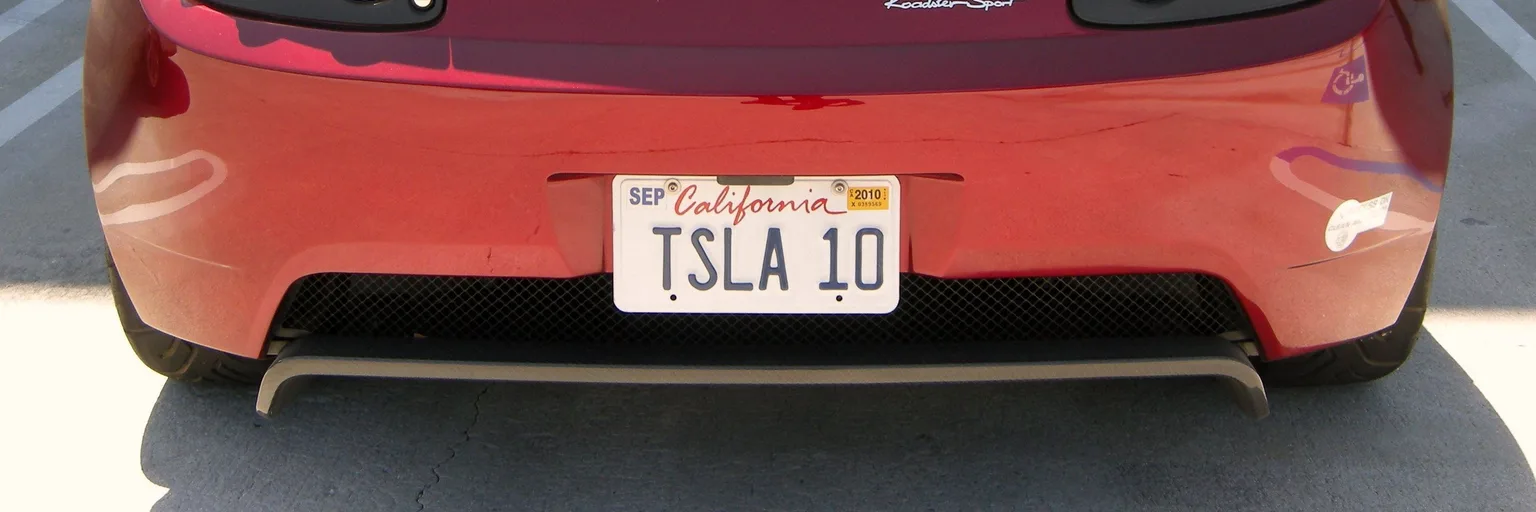
Tesla Roadster's Hover Promise: Innovation or Costly Distraction?
After years of delays and ambitious claims, the Tesla Roadster's long-awaited reveal is here. We examine if its 'hovering' tech is an actual revolution or merely a flashy distraction in a mature EV supercar market.
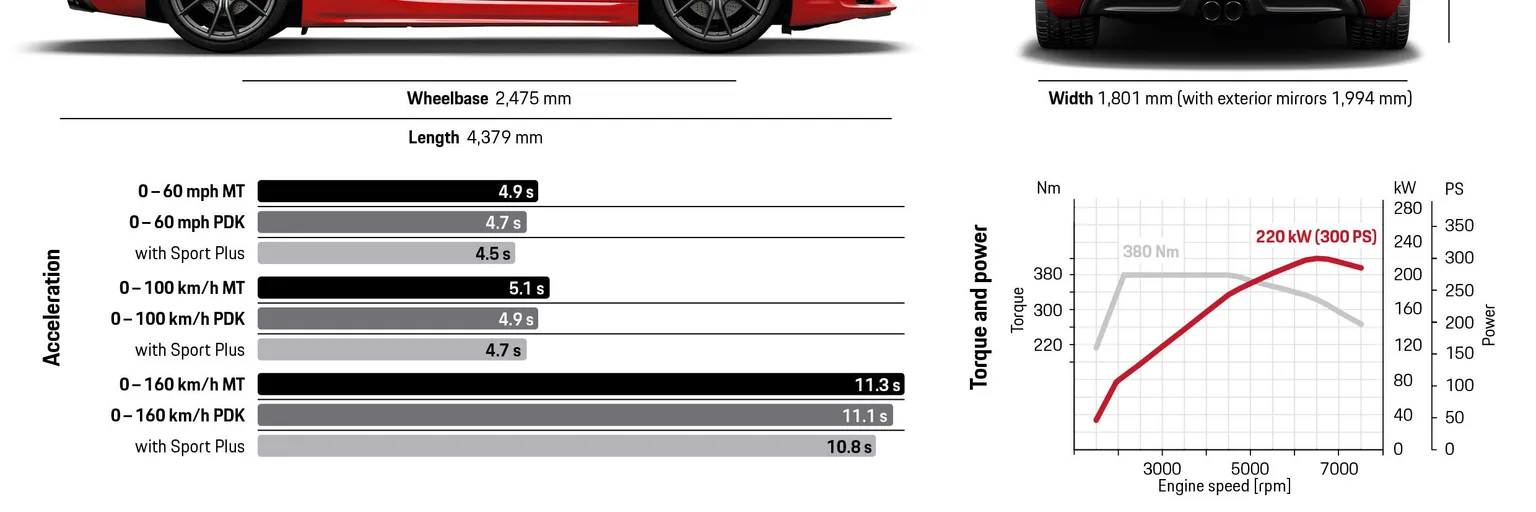
Porsche's Electric 718 Battery Gamble: Mid-Engine Magic or Misstep?
Porsche's audacious decision to place the electric 718's batteries behind the seats is a bold reaffirmation of driving dynamics, challenging conventional EV design to preserve the sports car's soul.
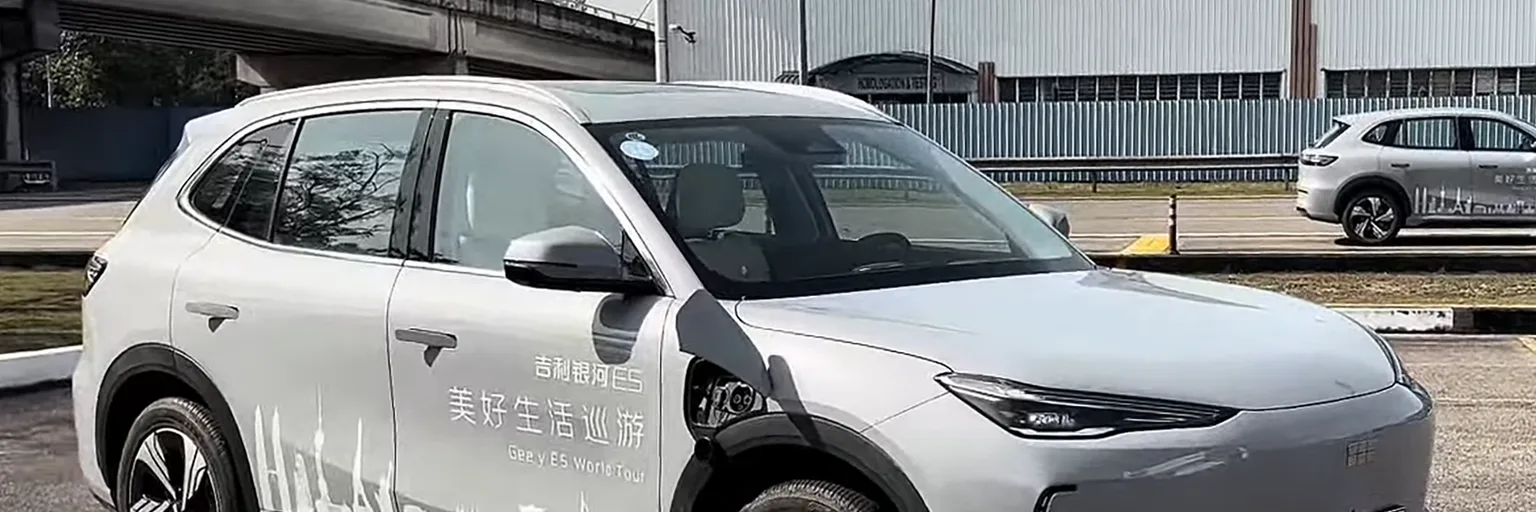
Geely E5: Redefining Value in Europe's Electric SUV Segment
Geely's E5 electric SUV arrives in Italy with a competitive price and impressive range, challenging established automakers and signaling a new era for affordable, feature-rich EVs.
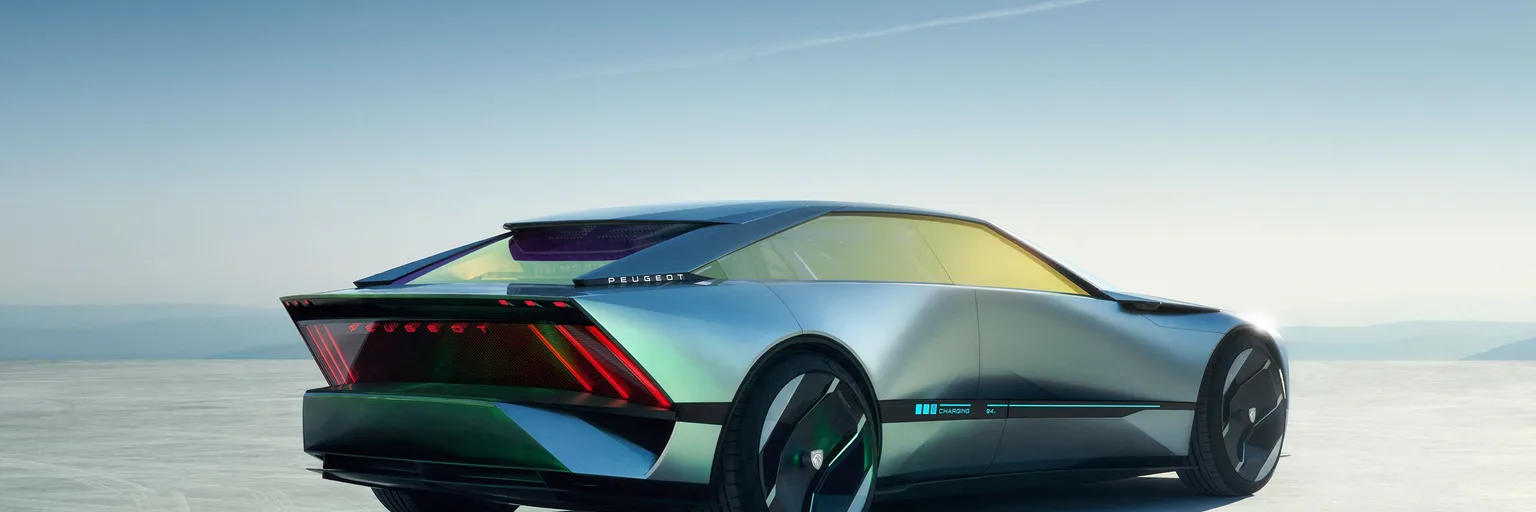
Peugeot E-T16 Concept: A Rally Legend's Electric Roar Reshapes EV Future
Peugeot's E-T16 Concept, an 816 hp electric homage to the 205 Turbo 16, proves that raw emotion and heritage are vital for EVs, not just raw power.