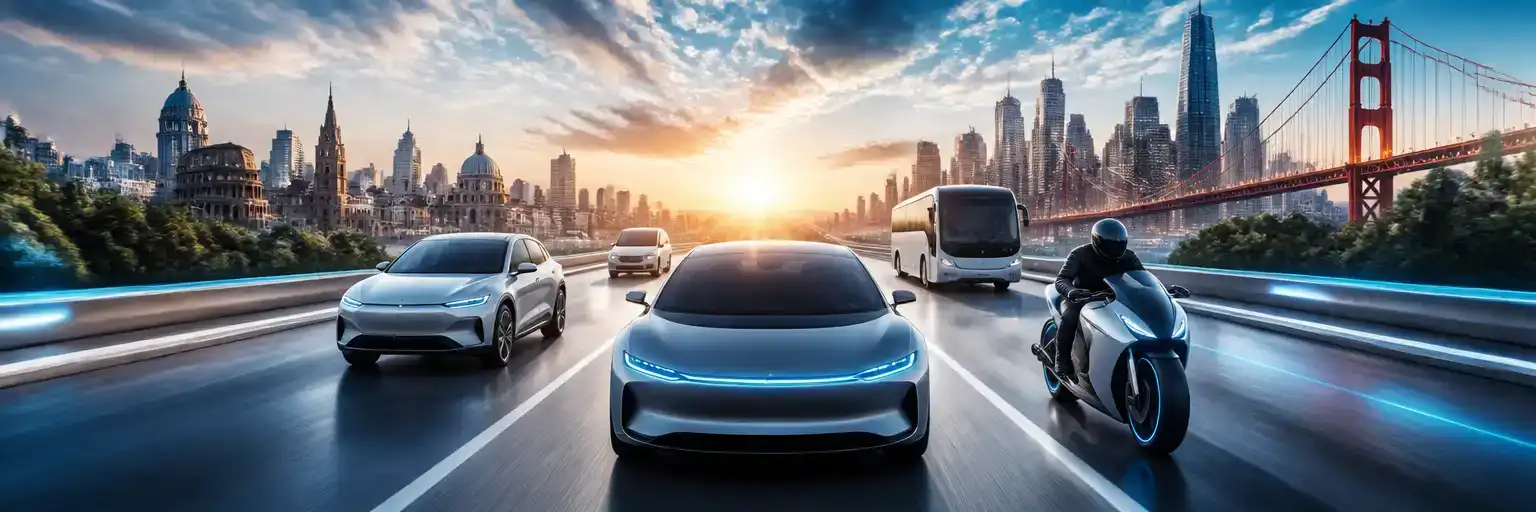
EVs' Hidden Carbon Cost: Why Manufacturing Matters More Than You Think
Electric vehicles offer a compelling green future, but a closer look at their lifecycle emissions, particularly the significant carbon footprint from battery manufacturing, reveals a complex path to true environmental superiority.
AI-generated image
For years, the electric vehicle has been championed as the undisputed champion of green mobility, a straightforward solution to the tailpipe emissions plaguing our cities. Yet, a recent analysis from France’s Agency for Ecological Transition (ADEME), echoed by other major studies, offers a more nuanced—and perhaps sobering—perspective. While confirming that EVs ultimately lead to a lower overall carbon footprint than combustion engine vehicles, the agency shines a spotlight on an often-overlooked aspect: the substantial upfront carbon emissions from manufacturing, particularly the battery. This complexity challenges the simple narrative, urging a deeper look into the entire lifecycle of our transportation choices.
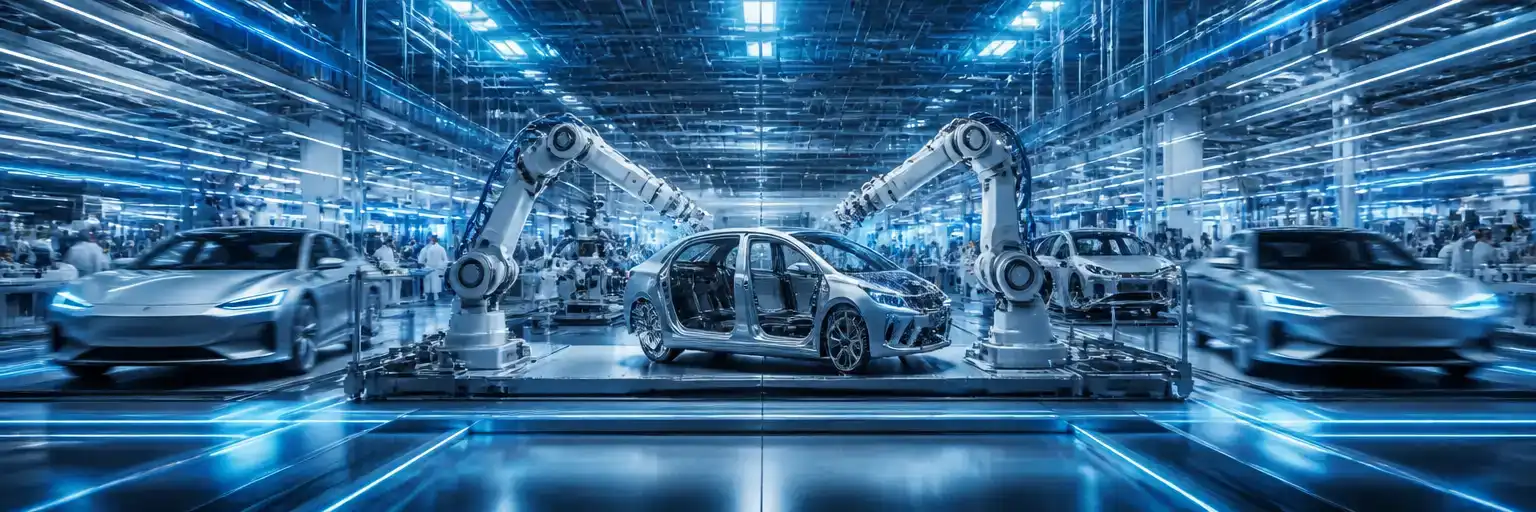
The initial environmental impact of producing an electric vehicle is undeniably higher than that of a conventional gasoline car. This disparity is largely attributable to the energy-intensive process of manufacturing the EV's high-voltage battery. Estimates suggest that building a new EV can produce around 80% more emissions than constructing a comparable gas-powered vehicle, a significant upfront carbon debt.
The Heavy Footprint of Battery Production
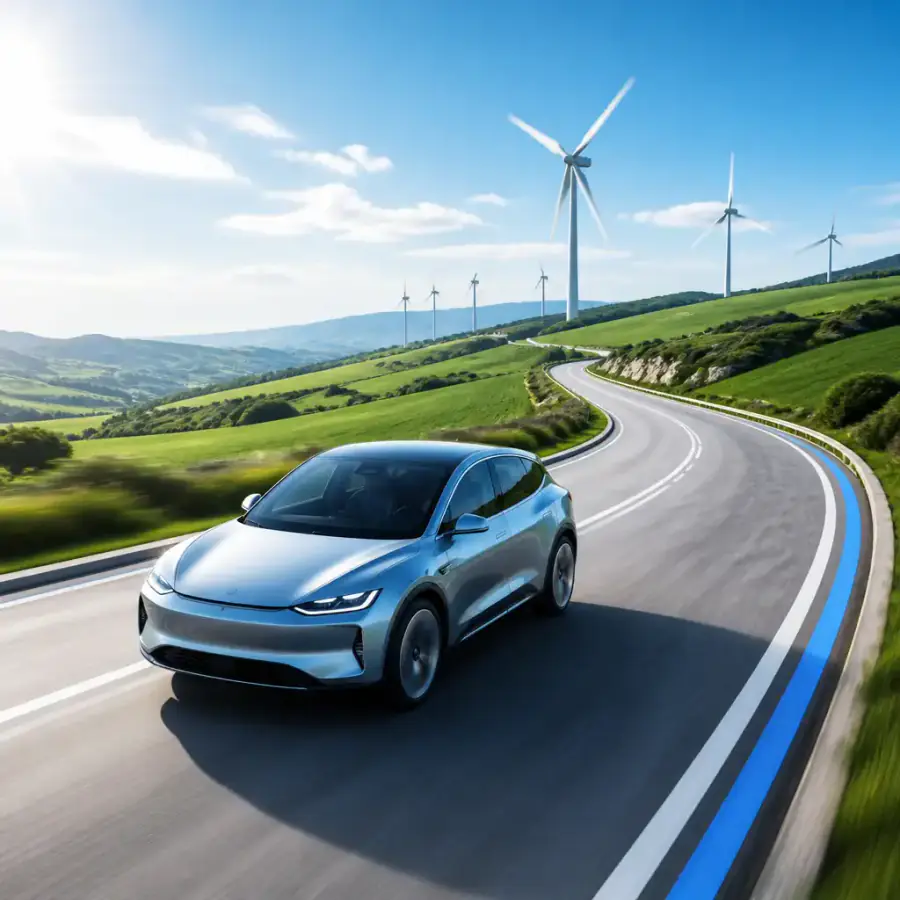
The battery is the heart of an electric vehicle, but its creation is also its biggest environmental challenge. According to ADEME, the manufacturing of the battery alone can represent nearly half of an electric vehicle's total production carbon footprint, with the production of active materials accounting for over 50% of this impact, as recently reported by Actu-Environnement and Auto-Infos. This figure is critical because larger batteries, offering more range, consequently carry a larger manufacturing carbon debt. The location of battery cell production and material refining also plays a crucial role. For instance, carbon dioxide emissions from battery manufacturing in China were estimated to be between 60% and 85% higher than those in Europe and the U.S. in 2020, a gap projected to increase further by 2030, according to BloombergNEF.
The Breakeven Point: When EVs Pull Ahead
Despite this initial carbon burden, electric vehicles still emerge as the greener option over their lifespan. The key lies in the
No topics yet: start the first one.
More stories
Volkswagen ID. Tiguan: A Masterstroke in EV Consolidation?
Volkswagen's new ID. Tiguan, slated to replace both the ID.4 and ID.5, signals a bold strategic move to streamline its electric SUV lineup, capture a wider market, and rectify past ergonomic missteps.
Chinese EVs are Reshaping Brazil's Automotive Landscape, Challenges Notwithstanding
Chinese EV manufacturers are strategically investing in local production and competitive pricing in Brazil, driving market share growth and challenging established automakers, despite infrastructure hurdles.
Renault 4 E-Tech: The LFP Battery Makes EVs Truly Accessible
Renault's strategic update to the 4 E-Tech, introducing a more affordable LFP battery variant and boosting existing ranges, marks a pivotal moment for electric vehicle accessibility and market competition.

US vs. Europe EV adoption: It’s not just the tech, it’s the policy
While Europe's electric vehicle market continues its robust expansion, the US faces a significant slowdown, a stark divergence primarily driven by policy shifts and infrastructure disparities.