Fiat's €15,000 EV: The Urban Disruptor Europe Needs?
Fiat's bold move to launch a sub-€15,000 electric city car, the Pandina, alongside Stellantis siblings, could fundamentally reshape the European EV landscape and challenge assumptions about electric vehicle accessibility.
Photo: Fiat / sala de prensa (uso editorial)
For years, the promise of affordable electric vehicles has felt like a distant dream, often overshadowed by premium offerings and aspirational designs. Yet, as the European automotive landscape shifts, Fiat is poised to disrupt this narrative with its upcoming €15,000 electric city car, internally known as the Pandina. This isn't just another small EV; it represents a calculated gamble by Stellantis to reclaim the crucial A-segment in Europe, potentially making electric mobility a practical reality for millions.
The project, spearheaded by Stellantis, involves not only Fiat but also Citroën and Opel, all leveraging a shared 'Smart Car' platform designed with cost-efficiency at its core. Production for these compact electric vehicles is slated to begin in 2028, with initial plans pointing to the Pomigliano d'Arco plant in Italy, as reported by Reuters and confirmed by Stellantis itself. The Fiat Pandina prototype is expected to debut at the Paris Motor Show in October 2026, as reported by Automar.pt. This concerted effort aims to provide European buyers with a brand-new electric car for a price point currently dominated by used combustion vehicles or a handful of budget EVs like the Dacia Spring.
Reclaiming the A-Segment: A Strategic Necessity
For nearly a decade, European brands largely abandoned the A-segment, citing unsustainable margins. This created a void now increasingly eyed by Chinese manufacturers. Stellantis' strategy to introduce three electric city cars under €15,000—the Fiat Pandina, Citroën's E-car, and a new small Opel model—is a direct challenge to this trend. By sharing the Smart Car platform, an evolution of the CMP used by models like the Citroën e-C3, Stellantis aims to achieve the economies of scale necessary to hit this aggressive price point. As Automar.pt highlights, this move fundamentally changes the game for buyers seeking affordable, new electric transport, offering a compelling alternative to a three or four-year-old B-segment combustion car.
This Smart Car platform was designed with cost as its priority. It's expected to underpin seven models in total, extending beyond these three electric city cars to include vehicles like the current C3, Grande Panda, a seven-seat Citroën B-SUV, and the next-generation Opel Crossland. This broad application is key to amortizing development costs and achieving the targeted low price point. Citroën's CEO, Xavier Chardon, frames the E-car not as a retro 2CV but as a vehicle designed from scratch for the electric era, a spiritual successor to the C1 that ceased production in 2020.
No topics yet: start the first one.
More stories
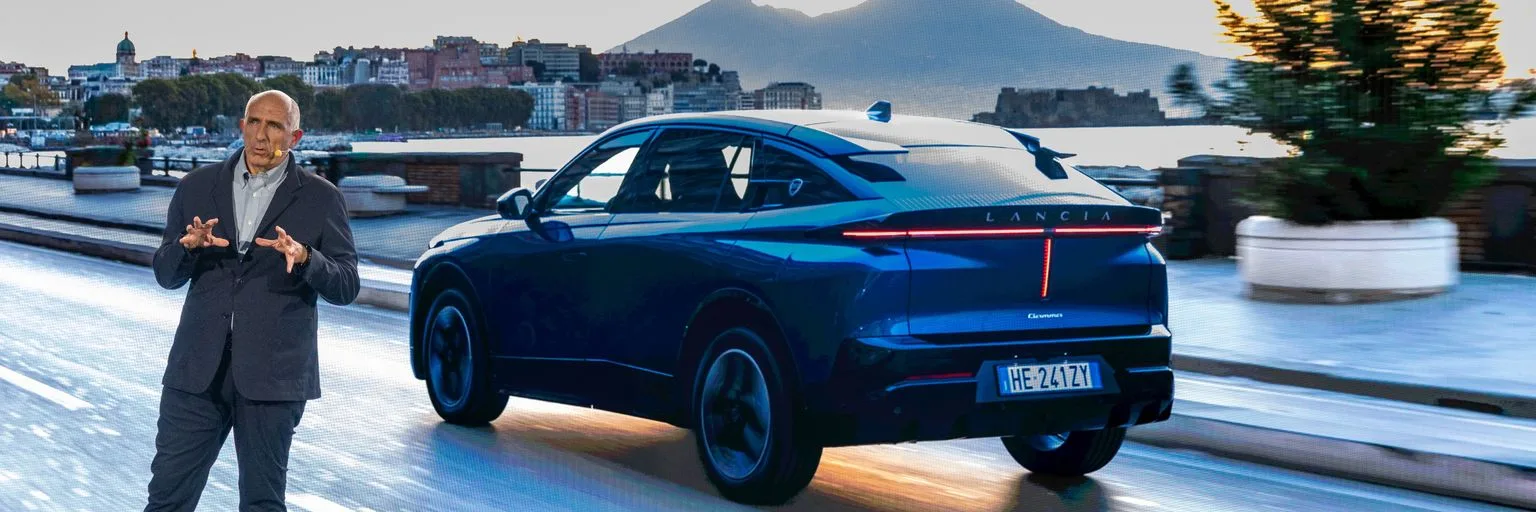
Lancia's Gamma LX Electric: Revival or Rebadged Reality?
The Lancia Gamma LX Electric is a pivotal moment for the struggling Italian marque, but its success hinges on whether it can carve a distinctive niche in the crowded EV SUV market, harmonizing its rich heritage with modern performance and luxury.
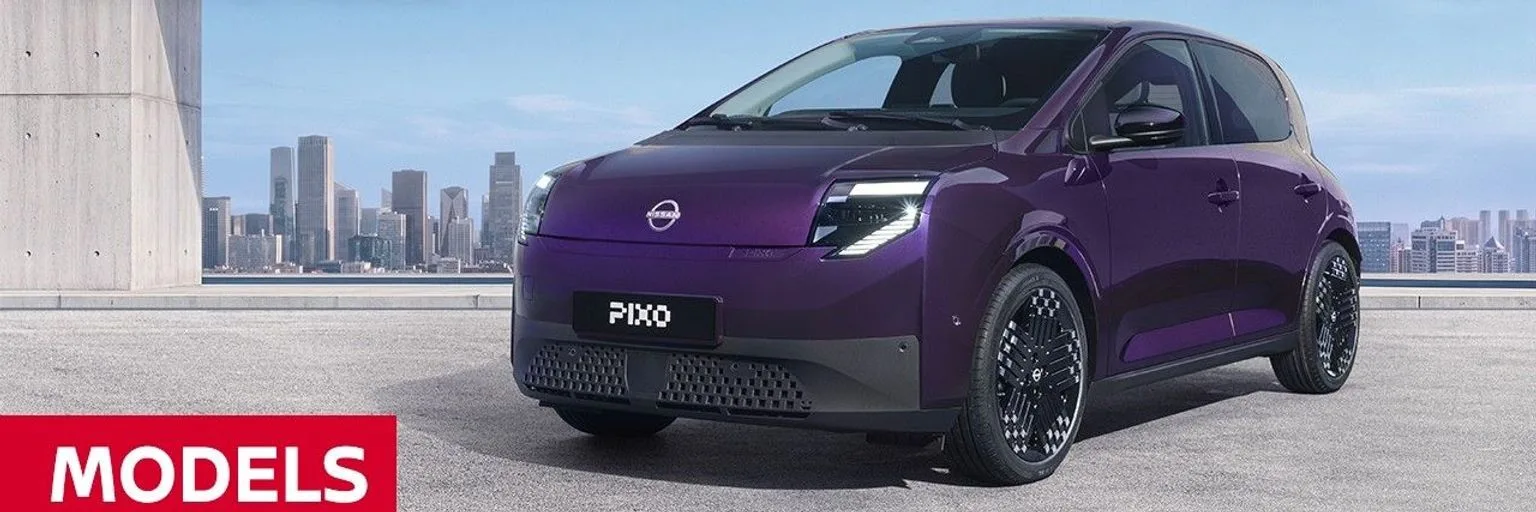
Nissan PIXO: Why this playful EV could redefine urban mobility
Amidst a growing market of utilitarian electric city cars, the Nissan PIXO aims to carve a distinct niche by blending unique design, thoughtful practicality, and advanced connectivity tailored for Europe.
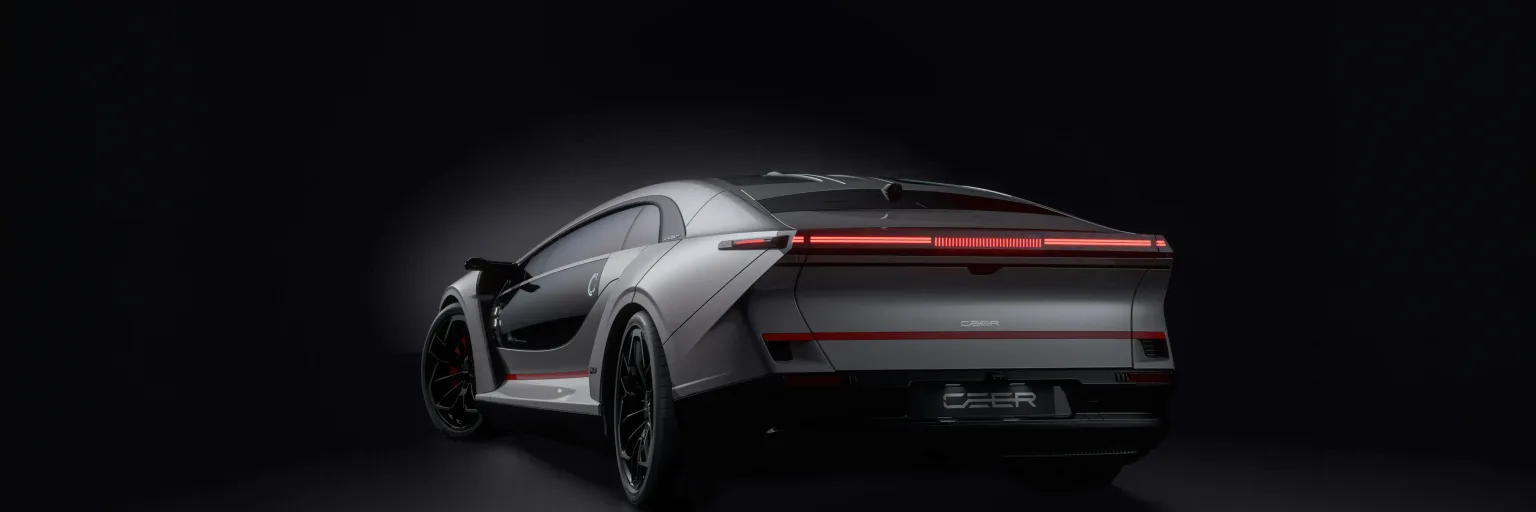
Ceer Exobot: Saudi Arabia's audacious electric gamble demands a global rethink
Saudi Arabia’s new luxury EV brand, Ceer, makes a bold statement with its high-performance Exobot models, yet its ambition to redefine automotive manufacturing faces steep challenges in brand perception and scaling production.
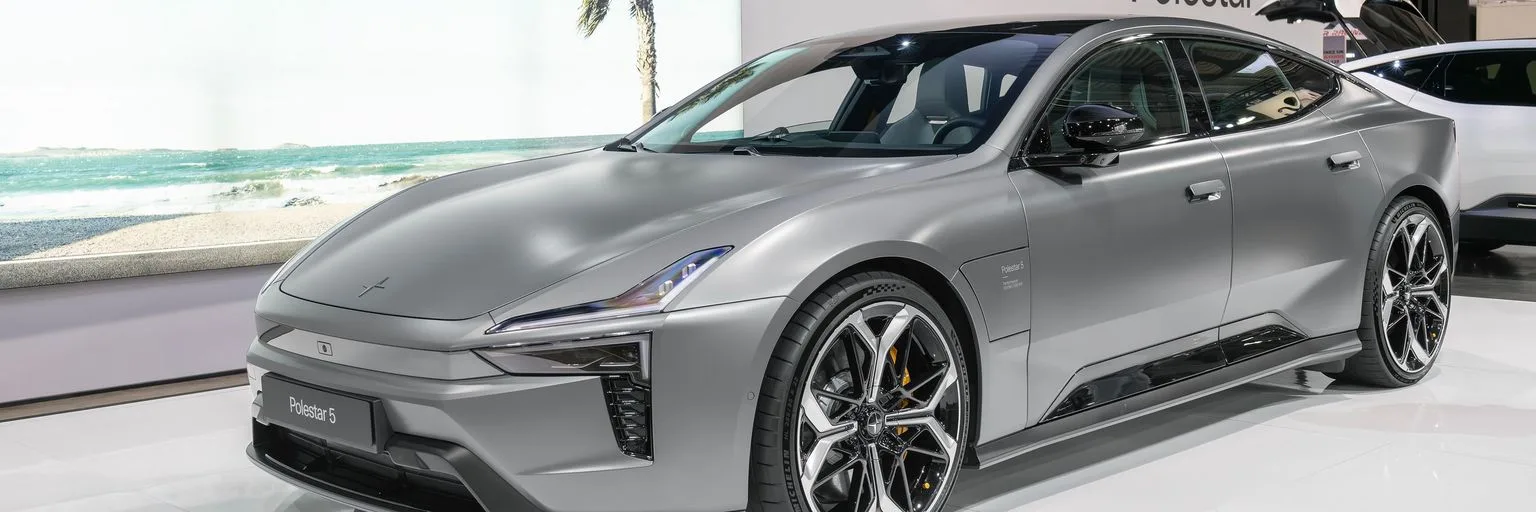
Polestar 5: Redefining Electric GTs with Performance and Purpose
The Polestar 5's official unveiling positions it as a significant contender in the luxury EV grand tourer segment, challenging established players with its emphasis on performance, distinctive design, and a strong commitment to sustainability.