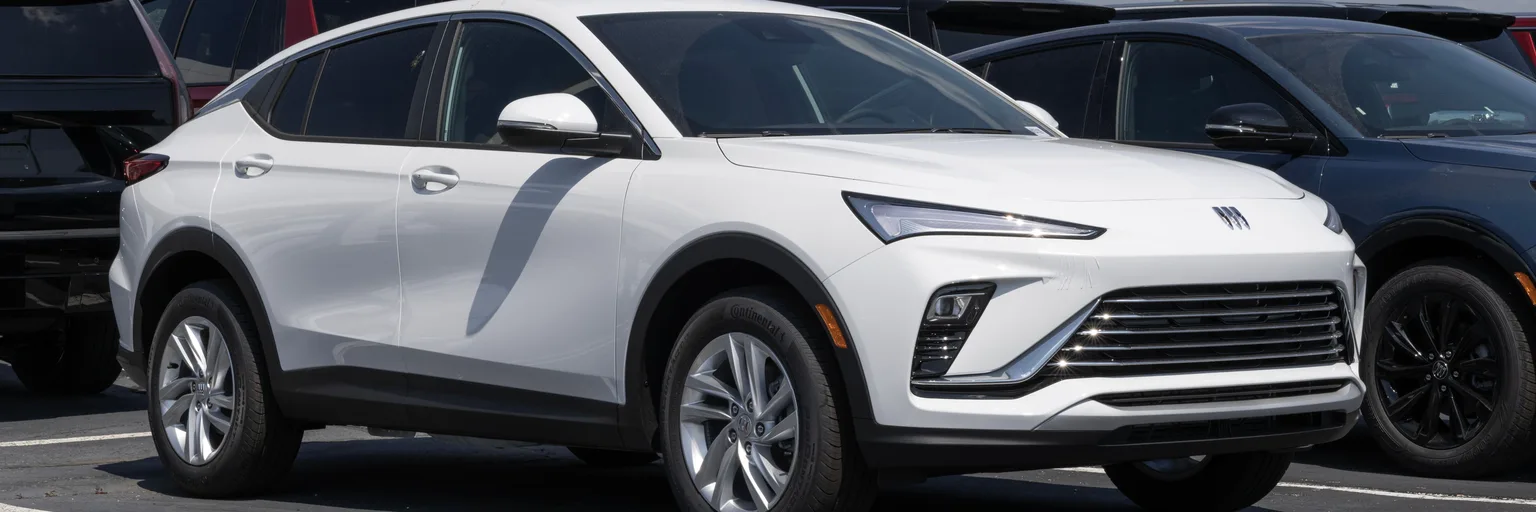
BMW's Electric M3: Precision Over Power in the EV Era
While the world fixates on colossal horsepower figures, BMW's M division is subtly signaling its electric M3 will prioritize driving precision and sustained performance over raw numbers, challenging purists and competitors alike.
The roar of a BMW M engine has, for decades, defined a segment of automotive passion. So, what happens when the iconic M3 shifts its focus entirely to electric propulsion? The imminent arrival of the electric BMW M3 is poised to answer that question, not just with electrifying speed, but by challenging the very notion of what makes an M car, well, an M car. The discussion isn't merely about its quad-motor setup; it's a deep dive into BMW M's brand strategy and vision for high-performance electric vehicles.
BMW has recently offered official glimpses of its camouflaged electric M3 prototype, confirming its quad-motor architecture and an anticipated production start in 2027. This groundbreaking model, based on the Neue Klasse platform, is designed to coexist with a gasoline-powered M3, signaling a cautious but determined stride into the electric performance future. It will feature an 800-volt architecture and batteries with 20 percent higher energy density than previous BMW EVs, according to Car and Driver.
The Horsepower Illusion: More Isn't Always M
Early speculation surrounding the electric M3 has fixated on colossal power figures, with many outlets suggesting over 1,000 hp or even a theoretical platform ceiling of 1,341 bhp (one megawatt) from its quad-motor system, as Top Gear and others reported. While such numbers are undeniably captivating, BMW M itself appears to be tempering expectations.
Christian Karg, who oversees vehicle dynamics for the BMW Group, has explicitly stated that for the electric M3, it's "not about the horsepower," as reported by BMWBLOG. Instead, Karg points to the M car's precise responsiveness as its true differentiator. We believe this stance is a calculated move to avoid the trap of a spec-sheet arms race, where sheer peak power can often overshadow actual driving experience. Instead, BMWBLOG expects the focus for the launch model to be a still formidable 800 to 850 hp, a figure that is more than enough to deliver blistering performance without merely chasing headline numbers.
This nuanced approach means BMW likely won't unleash the platform's full theoretical potential right out of the gate, much like how the XM's Label Red special edition later accessed more power than the standard model. This strategy leaves ample headroom for future, even more potent iterations, such as a possible CS version that could indeed crest the 1,000 hp mark down the line, as Car and Driver forecasts.
Precision Over Raw Power: The Quad-Motor Advantage
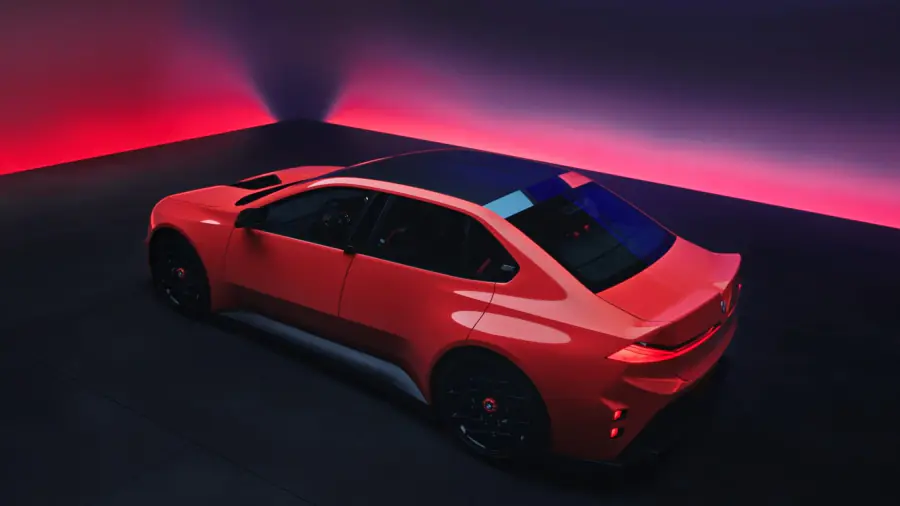
If not raw horsepower, what then defines the electric M3's performance? The answer lies in its sophisticated quad-motor architecture. With one motor for each wheel, the system promises unprecedented levels of torque vectoring and precise power delivery. This isn't just about raw acceleration; it's about agility, grip, and how the car feels dynamically on a track like the Nürburgring, where BMW M extensively tests its vehicles. The "Heart of Joy" control unit and software will handle drivetrain, braking, charging, regeneration, and steering functions, integrating these elements for optimal performance.
Karg emphasized the challenge of keeping output high as the battery depletes and managing curb weight, ensuring a car that's heavier than any M3 before it still feels light on its feet. Sustaining output is the real challenge, a problem Mercedes-AMG addressed in its new GT 4-Door with a Formula 1-derived battery pack. BMW M will need its own answer to ensure the ZA0 holds its power through a full Nürburgring lap, not just a drag strip launch. The quad-motor setup will also feature disengageable front units, allowing for a proper rear-wheel-drive mode, a nod to M purists.
The Legacy Remains: Why an M3 is Still an M3
One of the most significant confirmations from BMW is that the production car will simply be called the M3—no "i" prefix, no sub-brand. This decision, backed by both Christian Karg and BMW M CEO Frank Van Meel, underscores the brand's commitment to preserving the core identity of the M3. As Van Meel previously stated, he doesn’t want to differentiate between M3 architectures because, in the end, "it’s still an M3." This suggests a profound belief that the M car experience transcends the power source.
By focusing on dynamics, responsiveness, and sustained performance through its advanced quad-motor and 800-volt Neue Klasse platform, BMW aims to prove that electric propulsion can enhance, rather than dilute, the M driving experience. The electric M3 isn't just a new model; it's BMW M's statement on the future of high-performance driving, prioritizing precision and driver engagement over a simple numbers game.
No topics yet: start the first one.
More stories
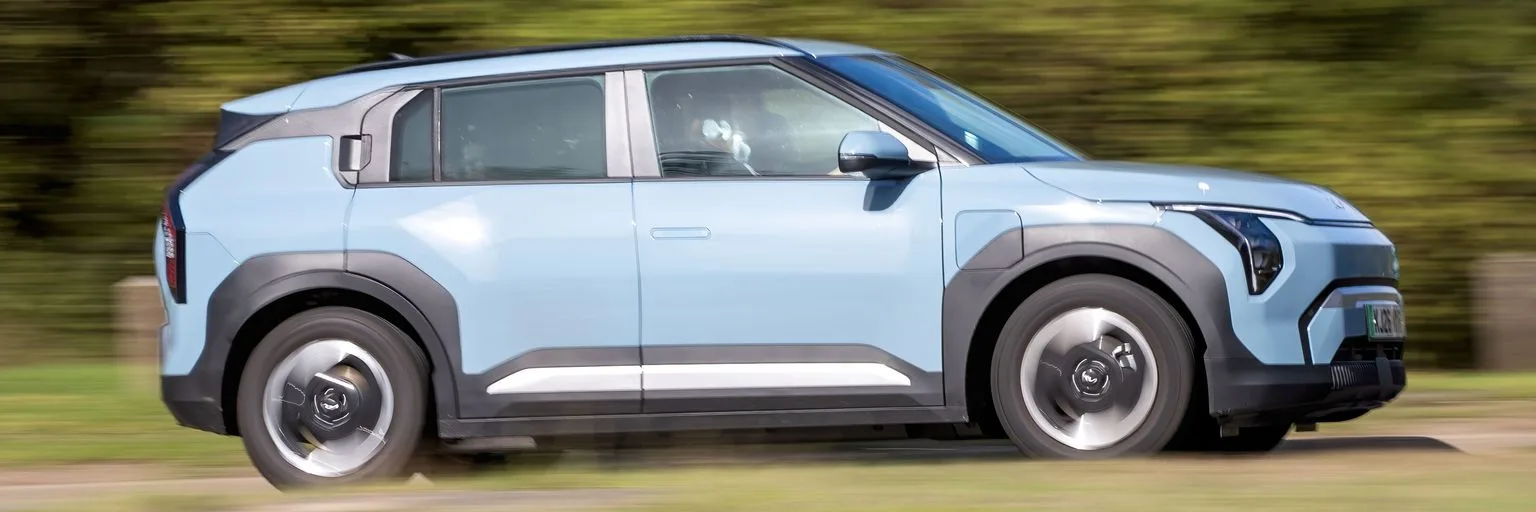
Affordable EVs Are Here: The €25,000 Barrier Falls in Europe
The dramatic surge in sales for electric vehicles priced under 25,000 euros signals a pivotal moment, pushing EVs firmly into the mainstream for European consumers.
Ultra-Fast Charging: A Solution in Search of a Broader Problem
Geely's 2,250 kW charging stations promise lightning-fast recharges, but this relentless pursuit of speed risks overlooking the more fundamental challenges to global EV adoption.
Jaguar's Type 01: A Risky Bet on Ultra-Luxury EV Rebrand
Jaguar's dramatic rebrand and its audacious new Type 01 EV signal an all-in play for the ultra-luxury segment, a high-stakes gamble that could redefine or dismantle the iconic British marque.
Buick's Korean PHEV Bet: A Strategic Retreat or a Smart Pivot for GM?
General Motors' decision to introduce the 2027 Buick Electra E7 PHEV as its first dedicated vehicle in South Korea signals a pragmatic shift from an all-EV focus, aiming to navigate market realities and EV losses.