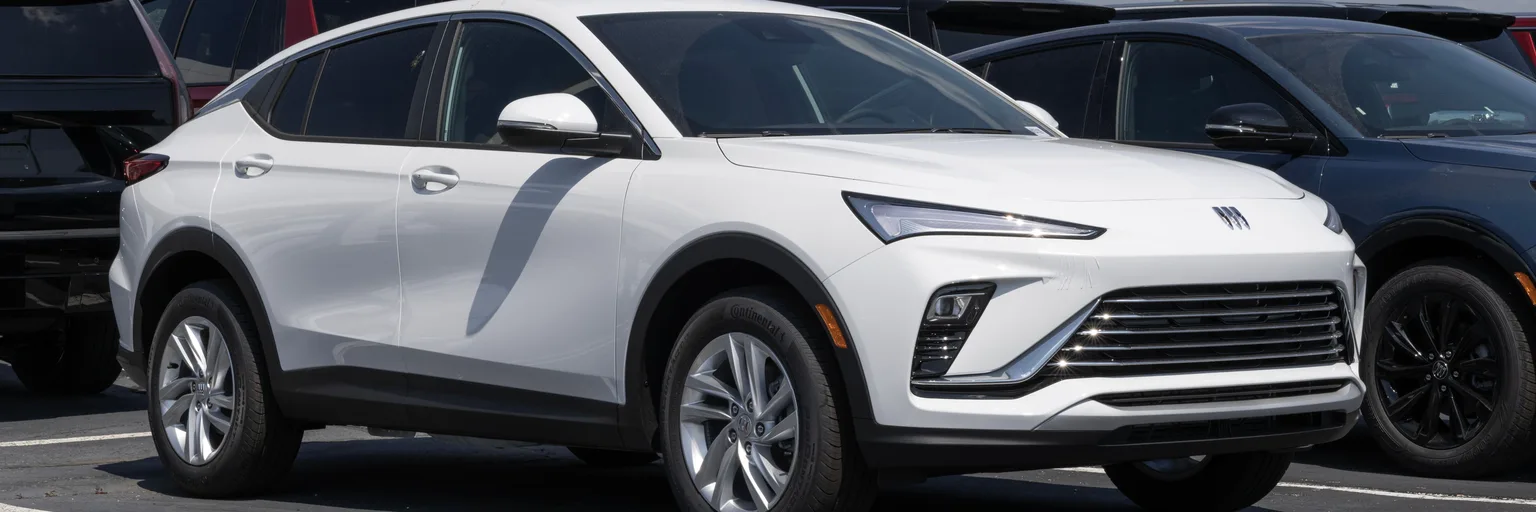
Affordable EVs Are Here: The €25,000 Barrier Falls in Europe
The dramatic surge in sales for electric vehicles priced under 25,000 euros signals a pivotal moment, pushing EVs firmly into the mainstream for European consumers.
Photo: Sue Thatcher / Shutterstock.com | Kia EV3
For years, the electric vehicle revolution felt like a promise perpetually just out of reach for the average consumer, hampered by high prices and a perceived niche appeal. But what if we told you that barrier is not just breaking, it's collapsing? The European EV market is undergoing a seismic shift, driven not by luxury models or government mandates alone, but by a surge in genuinely affordable options that are finally democratizing electric mobility.
Indeed, the numbers speak volumes: between January and August 2026, European consumers purchased 1.64 million battery electric vehicles (BEVs), representing a significant 44.9% increase over the same period last year, as reported by Transport & Environment. This growth is not evenly distributed across all segments; critically, sales of EVs priced under 25,000 euros have multiplied by a staggering seven-fold. This explosive growth in the entry-level market contrasts sharply with the declining fortunes of traditional combustion engine cars, with gasoline vehicle registrations falling 24.6% and diesel by 23.8% in August alone, according to the ACEA.
The Price Barrier Crumbles for Good
The most compelling evidence for this transformation lies squarely in the burgeoning segment of sub-€25,000 electric vehicles. For too long, the sticker price of an EV was the primary deterrent for many potential buyers. Now, models like the Dacia Spring, with a base price of 16,900 euros, alongside new contenders such as the Citroën ë-C3, BYD Dolphin Surf, and Leapmotor T03, are reshaping consumer expectations and market dynamics. This shift toward accessible pricing is arguably more impactful than any technological leap, as it directly addresses the financial viability of going electric for a broader demographic. It's becoming clear that true mass adoption hinges on making EVs a practical, rather than aspirational, choice.
The Unavoidable Economics of Running Costs
Beyond the initial purchase, the escalating cost of fossil fuels is accelerating the transition, turning economic arguments into the most powerful incentive. Data from Spain's Ministry for Ecological Transition highlights this stark reality: driving 100 kilometers with an EV charged at home costs approximately 3.29 euros, a dramatic 66% saving compared to 9.82 euros for gasoline. This significant operational cost advantage, particularly in the face of soaring fuel prices, offers a compelling financial case for switching to electric, transcending purely environmental considerations. It suggests that for many, the decision is now less about 'if' and more about 'when' they can make the switch to save money.
Chinese Brands Reshape the Landscape
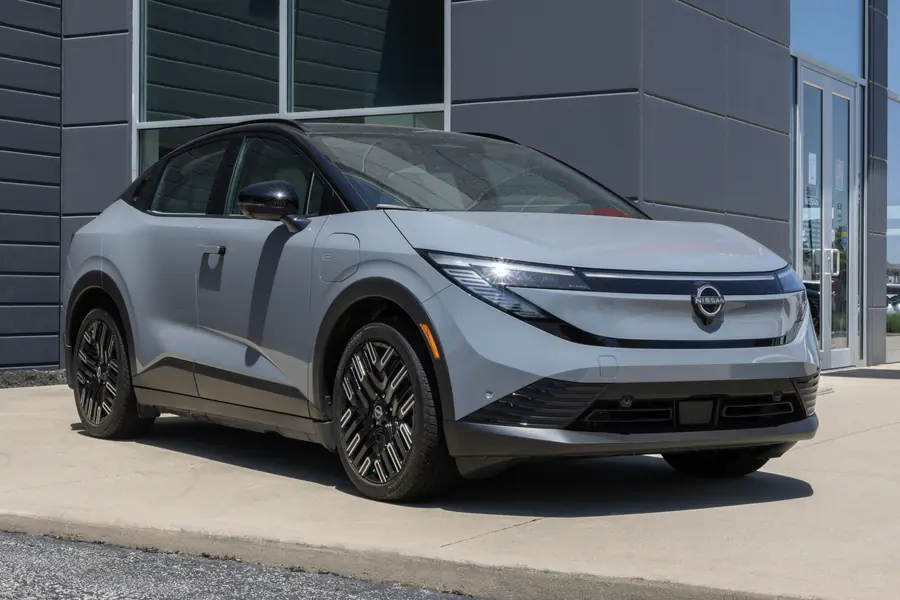
The rapid expansion of affordable EVs in Europe is inextricably linked to the aggressive entry of Chinese manufacturers. These brands are not merely entering the market; they are actively driving down prices and diversifying the model range available to European consumers. Chinese brands collectively saw their market share in Europe jump to 11.7% in August 2026, marking a remarkable 111% growth year-on-year, as reported by Híbridos y Eléctricos. Notably, BYD has even surpassed Tesla in accumulated sales between January and August, registering 177,752 units against Tesla's 142,165. The aggressive rollout of sales points by companies like Leapmotor International, which now boasts over 1,000 locations across 36 European countries, underscores a strategic push to capture market share through competitive pricing and broad availability, challenging the established automotive order.
The Charging Conundrum Persists
While the affordability trend is undeniably positive, it illuminates a persistent challenge: charging infrastructure. The substantial savings of home charging—up to 650 euros per 10,000 kilometers compared to gasoline—largely disappear if a driver relies primarily on public fast chargers, which can cost nearly as much as diesel fuel at 8.11 euros per 100 kilometers. This disparity means that the economic benefits of cheaper EVs are still heavily skewed towards those with dedicated home charging solutions. For the growing number of urban dwellers or those without private garages, the democratization of EV ownership demands an equally democratic and affordable public charging network. Without it, a significant portion of potential buyers, despite the lower vehicle costs, will remain on the sidelines.
In our view, Europe has reached a crucial inflection point. The arrival of genuinely affordable electric vehicles, amplified by the relentless rise of fuel prices and the competitive pressure from new market entrants, is unequivocally making EVs a mainstream proposition. However, for this momentum to translate into universal adoption, the industry and governments must double down on ensuring equitable access to charging infrastructure. The future of mobility is electric, and it must be affordable for everyone, not just those with a driveway and a private charger.
No topics yet: start the first one.
More stories
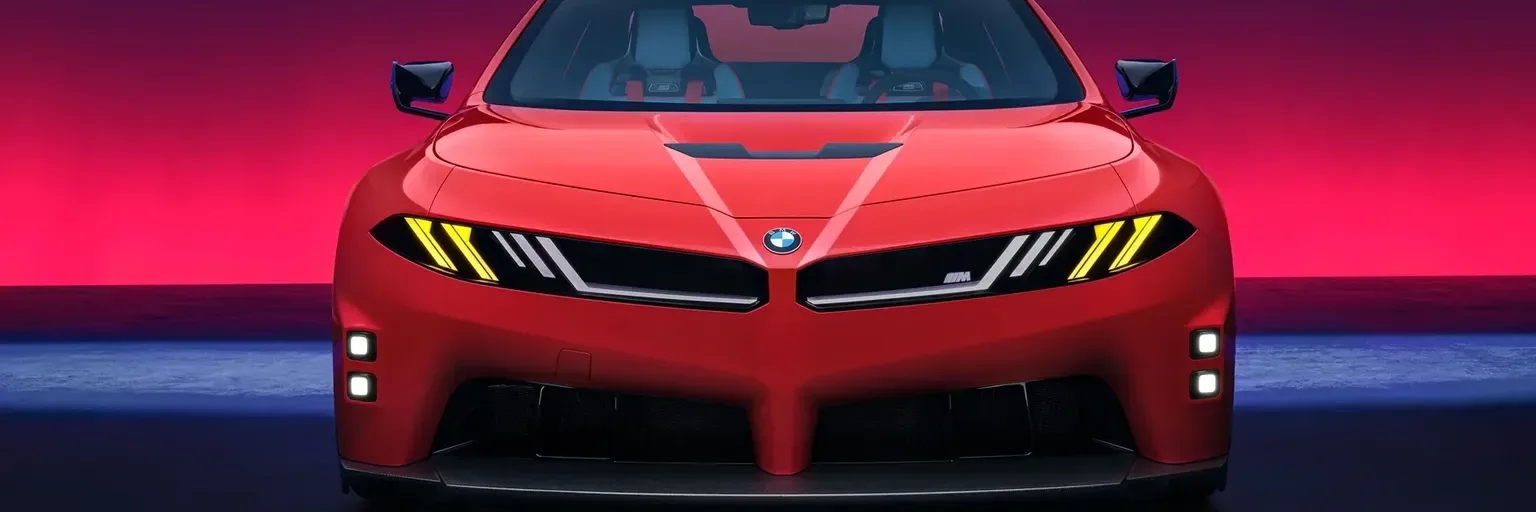
BMW's Electric M3: Precision Over Power in the EV Era
While the world fixates on colossal horsepower figures, BMW's M division is subtly signaling its electric M3 will prioritize driving precision and sustained performance over raw numbers, challenging purists and competitors alike.
Ultra-Fast Charging: A Solution in Search of a Broader Problem
Geely's 2,250 kW charging stations promise lightning-fast recharges, but this relentless pursuit of speed risks overlooking the more fundamental challenges to global EV adoption.
Jaguar's Type 01: A Risky Bet on Ultra-Luxury EV Rebrand
Jaguar's dramatic rebrand and its audacious new Type 01 EV signal an all-in play for the ultra-luxury segment, a high-stakes gamble that could redefine or dismantle the iconic British marque.
Buick's Korean PHEV Bet: A Strategic Retreat or a Smart Pivot for GM?
General Motors' decision to introduce the 2027 Buick Electra E7 PHEV as its first dedicated vehicle in South Korea signals a pragmatic shift from an all-EV focus, aiming to navigate market realities and EV losses.