Ultra-Fast Charging: A Solution in Search of a Broader Problem
Geely's 2,250 kW charging stations promise lightning-fast recharges, but this relentless pursuit of speed risks overlooking the more fundamental challenges to global EV adoption.
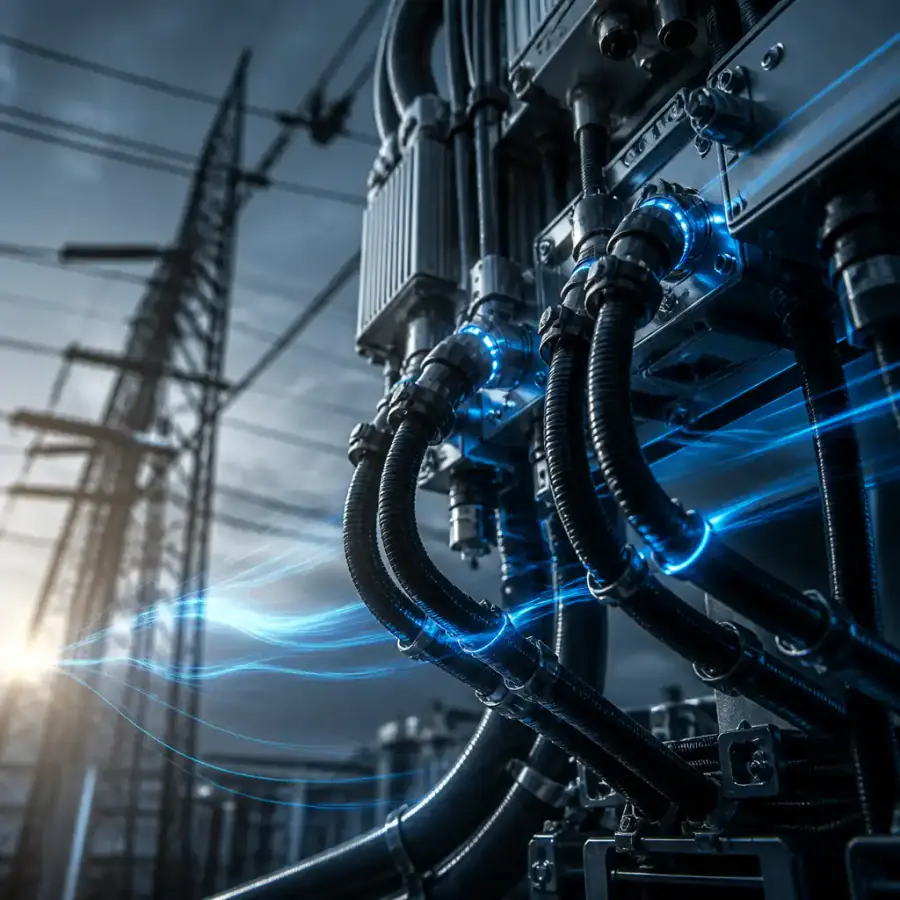
AI-generated image
The electric vehicle industry is currently engaged in an intriguing paradox: an arms race for charging speed that, in our view, risks becoming a solution in search of a problem. Just as we once debated the threshold of acceptable charging times, we now find ourselves marveling at diminishing returns, highlighted by Geely's recent ambitious announcement.
Geely Auto Group has introduced new AI-powered Smart Charging Stations capable of a staggering 2,250 kW peak charging power [1]. Deployed in five cities across China, these stations promise to recharge an EV from 10% to 70% in a mere 4.5 minutes, and from 10% to 97% in just 8 minutes and 40 seconds [5, 6]. This move is clearly positioned as a direct challenge to competitors like BYD, intensifying the battle for charging supremacy in the market [3, 5].
While impressive on paper, this relentless pursuit of milliseconds on the charging clock raises critical questions about what truly drives EV adoption and user satisfaction. Is a four-minute charge truly the missing piece, or are we witnessing a marketing spectacle overshadowing more fundamental issues?
The Diminishing Returns of Hyperspeed
The psychological barrier of range anxiety, once primarily tied to how long it took to charge, now seems to shift towards where and if a charger is available and reliable. For many drivers, a typical stop for coffee, a restroom break, or even a quick meal already exceeds these ultra-fast charging windows. The marginal convenience of shaving a few minutes off an already brief stop becomes less significant, especially if it comes with trade-offs in accessibility or grid stability. We believe this intense focus on raw speed, while a powerful marketing hook, risks diverting attention from the broader user experience and the foundational challenges that truly hinder mass EV adoption.
The Accessibility and Reliability Gap
While Geely pushes the boundaries of charging speed, a more pressing concern for global EV adoption, particularly outside of well-developed urban centers, remains the sheer accessibility and reliability of charging infrastructure. Reports consistently highlight that easy and equitable access is arguably the greatest challenge, with issues ranging from insufficient information on charger availability to poor signage [7, 15]. Even where stations exist, drivers frequently encounter broken equipment, making the charging experience unreliable at best [16]. Doubling the number of public chargers, as seen since 2022, is critical for supporting mass adoption, yet simply having more chargers isn't enough if they aren't functioning or easily locatable [11, 12].
Furthermore, the installation and maintenance of this infrastructure are inherently expensive. High initial capital costs for equipment and the ongoing expense of battery replacement over time pose significant financial hurdles for widespread deployment [8, 14]. This financial burden can slow down expansion, particularly in areas where demand is still developing or where subsidies are limited.
The Grid's Heavy Burden
The advent of 2,250 kW chargers, while impressive, also introduces considerable strain on existing electrical grids. Power systems face substantial challenges from the rapid increase in high-power EV charging, including load profile distortion and voltage deviation [10]. As infrastructure expands, critical concerns such as grid stability, load balancing, and managing peak demand become paramount [9, 13]. While AI-powered functions like Geely's Smart Charging aim to align charging power with grid capacity [1], the sheer magnitude of power required by these ultra-fast stations means that grid upgrades and sophisticated demand management strategies will be essential, not just convenient add-ons. Prioritizing peak power without adequately addressing grid resilience could lead to bottlenecks and higher operational costs, ultimately impacting the very convenience these chargers promise.
Redefining Progress: Beyond the Stopwatch
In our view, the race for ultra-fast charging, exemplified by Geely's impressive new stations, highlights a classic dilemma in technological advancement. While pushing boundaries is commendable, true progress in EV adoption may depend less on shaving off the last few minutes of charging time and more on ensuring a ubiquitous, reliable, and intelligently managed charging network. The industry might benefit from shifting focus from 'how fast can we charge?' to 'how seamless and dependable can the entire charging ecosystem be?' Addressing the cost of deployment, improving charger reliability, ensuring clear signage, and most importantly, fortifying the underlying grid infrastructure are likely to unlock broader EV adoption more effectively than the pursuit of charging speeds that, for most users, already exceed practical needs.
No topics yet: start the first one.
More stories
Jaguar's Type 01: A Risky Bet on Ultra-Luxury EV Rebrand
Jaguar's dramatic rebrand and its audacious new Type 01 EV signal an all-in play for the ultra-luxury segment, a high-stakes gamble that could redefine or dismantle the iconic British marque.
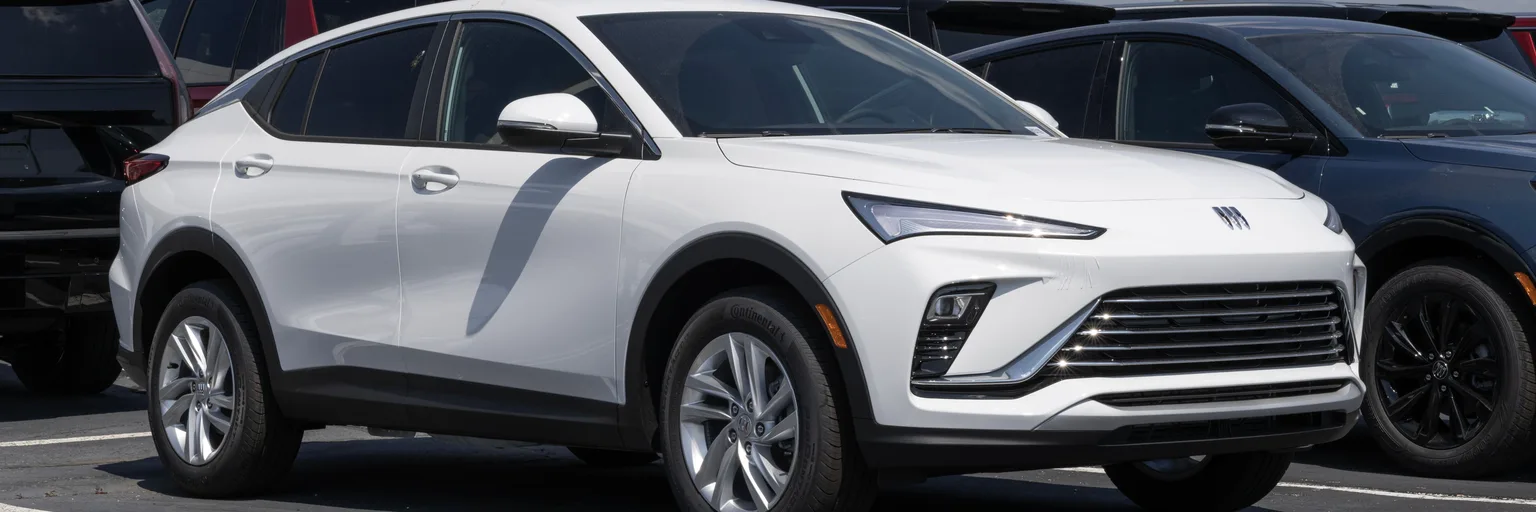
Buick's Korean PHEV Bet: A Strategic Retreat or a Smart Pivot for GM?
General Motors' decision to introduce the 2027 Buick Electra E7 PHEV as its first dedicated vehicle in South Korea signals a pragmatic shift from an all-EV focus, aiming to navigate market realities and EV losses.
Fintech's Electric Gamble: Why Paysafe's Formula E Bet Signals a New Era
Paysafe's title sponsorship of Envision Racing in Formula E is a strategic move, illustrating how fintech companies are increasingly aligning with electric motorsport to build consumer brand visibility and connect with digitally engaged audiences.
GM's EV Woes Reveal Market Challenges, Tesla Shows Resilience
General Motors' significant Q3 EV sales slump highlights a challenging market for legacy automakers, contrasting sharply with Tesla's ability to maintain stable deliveries, suggesting a bifurcated path for EV adoption.