Buick's Korean PHEV Bet: A Strategic Retreat or a Smart Pivot for GM?
General Motors' decision to introduce the 2027 Buick Electra E7 PHEV as its first dedicated vehicle in South Korea signals a pragmatic shift from an all-EV focus, aiming to navigate market realities and EV losses.
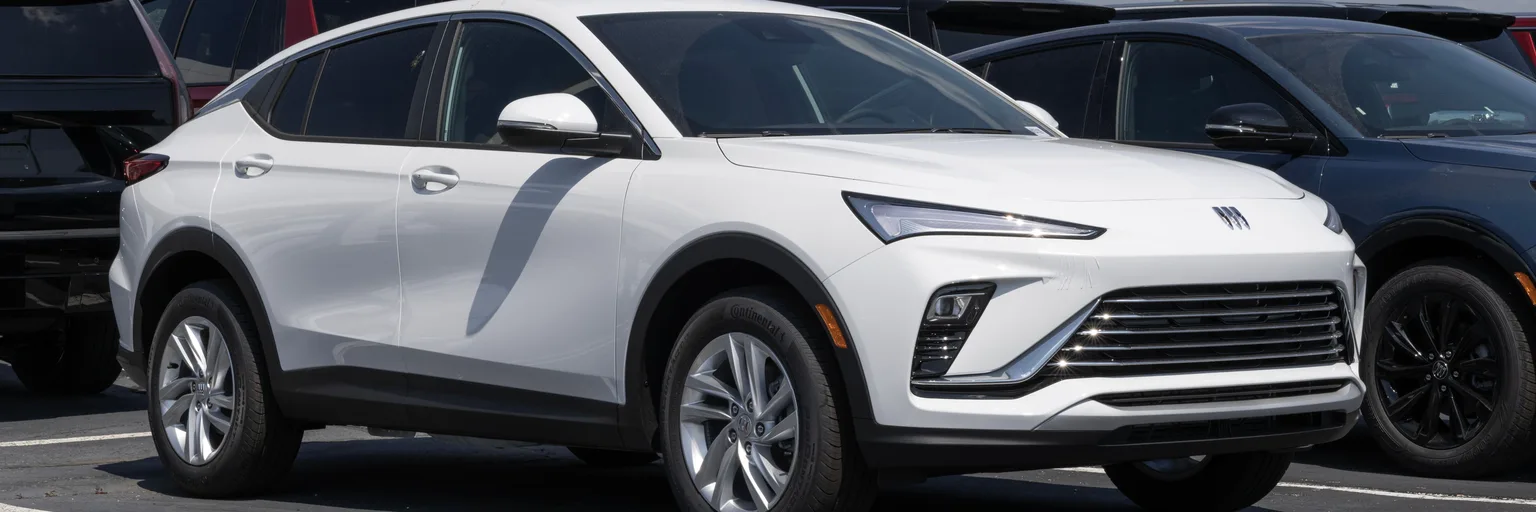
Jonathan Weiss / Shutterstock.com
Is General Motors hedging its bets on the electric future, or is its latest move a calculated masterstroke to secure market share in a fiercely competitive landscape? The recent unveiling of the 2027 Buick Electra E7 PHEV in South Korea, marking the brand's debut in the country, certainly prompts such questions. While GM has publicly committed to an all-electric future, this plug-in hybrid launch suggests a nuanced, and arguably more pragmatic, approach.
The all-new 2027 Buick Electra E7 PHEV was officially unveiled in South Korea earlier this month, positioned as the brand's inaugural dedicated vehicle for the market, as GM Authority reports. This mid-size crossover SUV is particularly notable not just for its PHEV powertrain, but also for its origin: units of the Electra E7 will arrive in Korea imported from China, its sole manufacturing hub. Buick has even launched a series of pop-up events across South Korea, starting in Seoul, to introduce the vehicle, according to The Korea Herald.
Why South Korea is a Critical Test Bed
South Korea represents a dynamic and increasingly important market for electrified vehicles. While the country has seen robust EV adoption, there's a growing appreciation for the versatility of plug-in hybrids, which offer a bridge between traditional internal combustion engines and pure battery electric vehicles. This strategic entry with a PHEV, rather than a full EV, could be seen as a way for Buick to mitigate risk and adapt to local preferences, especially given the existing strong domestic competition. GM has long signaled its global electrification ambitions, with a commitment to electrifying 50% of its fleet by 2030 and 100% by 2035, as highlighted by Harvard Business School. Introducing the Electra E7 in South Korea could be a tactical first step, allowing Buick to establish its presence and brand identity before potentially expanding its fully electric offerings.
The Pragmatic Appeal of PHEVs Amidst EV Losses
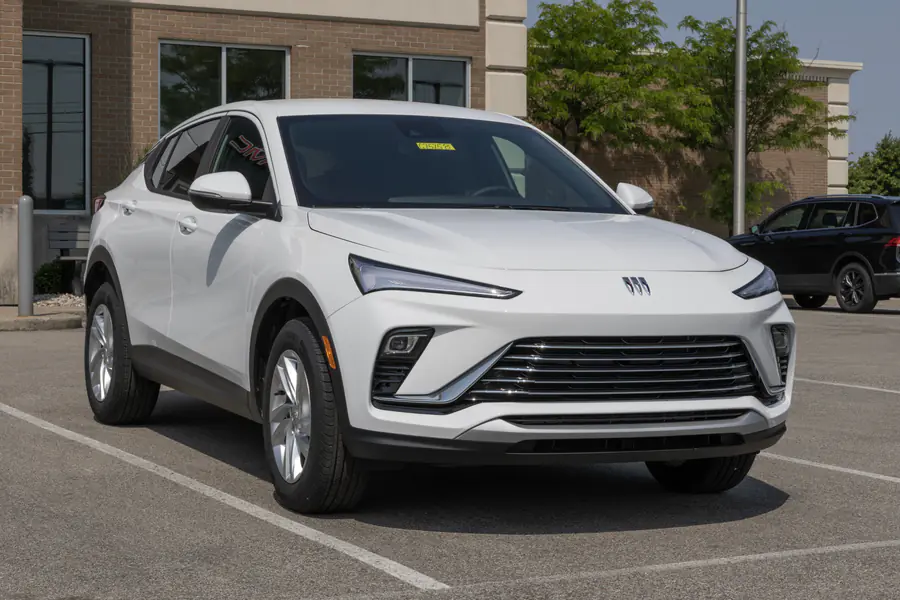
GM's EV strategy, while ambitious, has not been without its challenges. The company has warned investors that its electric-vehicle strategy is proving costly, with billions in losses, and that the financial pain is not yet over, according to Business Insider. In this context, launching a PHEV like the Electra E7 in a new market makes eminent sense. PHEVs typically involve lower battery costs and less complex charging infrastructure needs for consumers, which can translate into more accessible price points and broader appeal. By leveraging a plug-in hybrid, GM might be seeking a more immediate path to profitability and market acceptance, allowing it to recoup some investments while continuing its long-term EV development. It's a strategic recognition that not every market, or every consumer, is ready for an exclusively BEV future, and flexibility is key.
Global Supply Chains and Chinese Manufacturing's Influence
The decision to import the Electra E7 from China for the South Korean market is particularly telling. The vehicle is produced by SAIC-GM, a joint venture, and its battery will also be manufactured by an affiliated joint venture, as reported by The Korea Herald. This highlights the increasing integration of Chinese manufacturing into global automotive supply chains, especially for electrified vehicles. For GM, this move likely represents a cost-efficiency strategy, leveraging established production capabilities and economies of scale. Furthermore, as General Motors and Hyundai Motor have outlined plans to develop vehicles together to lower costs amidst growing competition, according to Reuters, we are seeing a broader trend of alliances and cross-border manufacturing strategies aimed at navigating the complex and expensive transition to an electrified automotive world. The Electra E7's market entry in South Korea, therefore, is not just about a new model; it's about a new playbook for global market penetration and sustainable growth in the era of electrification.
In our view, Buick's South Korean debut with the Electra E7 PHEV is not a sign of wavering commitment to electrification, but rather a sophisticated adjustment to market realities and financial pressures. It represents a pragmatic pivot, showcasing GM's willingness to adapt its strategy to specific regional demands and supply chain opportunities. This is less a retreat from an all-electric future and more an intelligent evolution of its path towards it, using a PHEV as a strategic beachhead in a crucial Asian market.
No topics yet: start the first one.
More stories
Fintech's Electric Gamble: Why Paysafe's Formula E Bet Signals a New Era
Paysafe's title sponsorship of Envision Racing in Formula E is a strategic move, illustrating how fintech companies are increasingly aligning with electric motorsport to build consumer brand visibility and connect with digitally engaged audiences.
GM's EV Woes Reveal Market Challenges, Tesla Shows Resilience
General Motors' significant Q3 EV sales slump highlights a challenging market for legacy automakers, contrasting sharply with Tesla's ability to maintain stable deliveries, suggesting a bifurcated path for EV adoption.

Beyond Range Anxiety: The Unseen Hurdles for Affordable EVs and Motion Sickness
The electric vehicle transition faces complex new challenges, from delivering truly affordable models like the Ford Fathom to overcoming overlooked passenger motion sickness, demanding innovative solutions beyond traditional range and charging concerns.