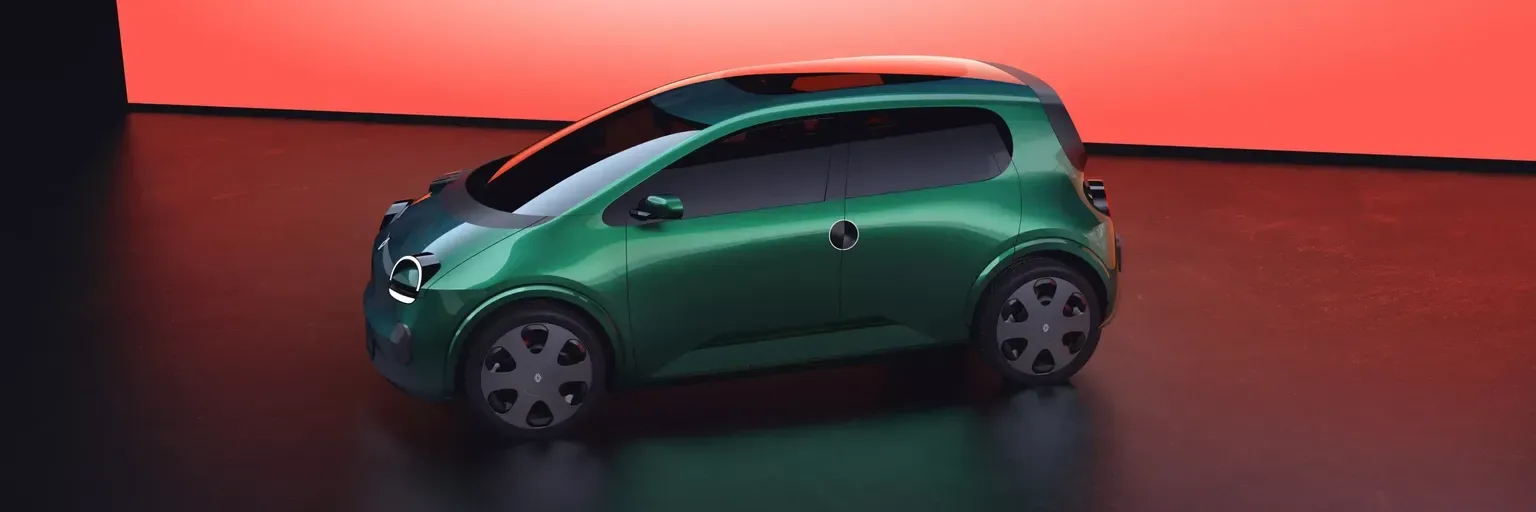
Renault's 1,400 km EV Vision: A Bold Leap or Extended Ambition?
Renault's aggressive 2028 electric vehicle strategy, targeting an astounding 1,400 km range and ultra-fast charging, promises to shatter range anxiety and redefine long-distance EV travel, but the role of range extenders will be critical.
Photo: Renault / sala de prensa (uso editorial)
Is the era of range anxiety and lengthy charging stops for electric vehicles finally drawing to a close? Renault certainly thinks so, with ambitious plans for 2028 that promise a radical transformation in electric mobility. The French automaker is set to introduce a new generation of EVs, boasting up to 1,400 km of combined range and charging times as low as 10 minutes. This bold strategy, anchored by an 800-volt architecture and innovative battery technology, aims to fundamentally reshape consumer perceptions and accelerate EV adoption, particularly for long-distance travel.
The core of Renault's future vision is a new electric platform, RGEV Medium 2.0, expected to debut in 2028. This platform will serve as the foundation for a range of new models, starting with C-segment vehicles like the Scénic 6, and later expanding to larger vehicles such as the Rafale [4, 12]. These next-generation EVs are forecast to offer a substantial 750 km of pure electric range according to WLTP standards, a significant leap from the current Scenic E-Tech Electric's 642 km [2, 3, 4, 6].
However, the real head-turner is the projected 1,400 km combined range, achieved with the integration of a gasoline range extender [1, 4, 9, 14]. This dual approach is designed to provide unprecedented peace of mind, allowing drivers to embark on extensive journeys without compromise. Complementing this extended range is a target of just 10 minutes for significant fast charging, a convenience factor that could truly be a game changer for the entire industry [1, 3, 10].
The Hybrid Horizon: Range Extender as a Bridge to True EV Freedom
The most striking aspect of Renault's 2028 announcement is the embrace of a gasoline range extender to achieve the headline 1,400 km figure. While purists might argue this dilutes the 'pure electric' message, we view it as a pragmatic and intelligent bridge technology. The documentation indicates that the gasoline engine would function solely to charge the battery when depleted, not to directly power the wheels [4]. This setup, already gaining traction in some markets, effectively eliminates range anxiety for those who frequently undertake long journeys or live in areas with nascent charging infrastructure. It offers the daily benefits of an EV – quiet operation, instant torque, and zero tailpipe emissions – combined with the flexibility of traditional gasoline for extended travel. In a market where current EVs like the Megane E-Tech Electric offer around 500 km of WLTP range, and even the improved Scenic E-Tech reaches 642 km [6, 7], a guaranteed 1,400 km (even if partially fossil-fueled) is a compelling proposition for the family car segment that Renault targets.
The 800-Volt Revolution: Redefining Charging Convenience
The promise of 10-minute fast charging is arguably as impactful as the extended range itself. Current electric vehicles, even with impressive charging speeds, often require 20-30 minutes for a significant top-up [7]. Renault's plan to roll out an 800-volt architecture across its C-D segment vehicles by 2028 is the technological lynchpin here [4, 8, 10]. This high-voltage system dramatically reduces charging times, allowing for a substantial increase in range in a mere 10 minutes [1, 14]. This is not just a marginal improvement; it's a paradigm shift that could make charging an EV as quick and convenient as refueling a gasoline car. Paired with the adoption of LFP battery chemistry, which is not only more economical but also offers increased energy density and improved durability [4, 7], Renault is clearly prioritizing both performance and practicality for its consumers. The ability to quickly add hundreds of kilometers of range during a brief stop would render many existing charging concerns obsolete.
Strategic Positioning: Dacia's Divide and Renault's Rise
Renault's strategy also reveals a clear differentiation within its brand portfolio, specifically by excluding Dacia from this initial wave of advanced EV technology [3]. This decision appears to be a calculated move to position the Renault brand firmly at the forefront of innovation and premium electrification, catering to a mid-to-high market segment seeking cutting-edge performance and convenience. By reserving its most advanced platform, including features like up to 500 CV and all-wheel drive for the Scénic 6 [4], Renault aims to establish itself as a leader in Europe's family EV market. This ensures that while Dacia continues to offer accessible electric options, Renault can focus on pushing the boundaries of what an EV can deliver in terms of range, charging speed, and overall performance, competing with established players and new entrants alike. It's a clear signal that Renault intends to capture market share through technological superiority and user experience.
A New Chapter for Electric Mobility
Renault's 2028 EV strategy signals a decisive move to address the primary barriers to widespread electric vehicle adoption: range anxiety and charging inconvenience. By combining an impressive 750 km pure electric range with a 1,400 km combined range extender option and ultra-fast 10-minute charging on an advanced 800-volt platform, Renault is poised to offer a compelling solution for virtually every driver. While the reliance on a range extender for the maximum distance might be debated by some, it undeniably provides a practical pathway to long-distance electric travel, making the transition to EVs more palatable for a broader audience. This appears to be a well-considered blueprint for securing a leading position in the evolving European EV landscape.
No topics yet: start the first one.
More stories
Volvo's 100-Mile PHEVs: The Electric Bridge We Actually Needed
Volvo's ambitious push for plug-in hybrids offering up to 100 miles of electric range fundamentally redefines their utility, making them a compelling, practical choice for a broader spectrum of drivers.

AMG's Electric SUV is the Future of Performance, Like it or Not
Mercedes-AMG's unwavering commitment to a dedicated electric high-performance SUV signals a profound shift in the premium automotive landscape, redefining what 'performance' means for the EV era.
When EVs Trap Occupants: The Hidden Dangers of Electronic Doors
The automotive industry's push for sleek electronic door systems in electric vehicles has introduced a critical safety vulnerability: the risk of occupants becoming trapped during power failures or crashes.

Renault 5 E-Tech: Retro Charm, Premium Price Tag?
The highly anticipated Renault 5 E-Tech promised to redefine affordable electric mobility, but its initial pricing for Evolution and Techno models suggests that 'budget EV' remains a relative term.