China's EV Wave: Why XPeng and Geely Are Redefining Spain's Electric Future
The assertive entry of XPeng L03 PowerX and Geely E2 is shaking up the Spanish electric vehicle market, introducing compelling long-range options that directly challenge established European offerings and set new expectations for accessible electric mobility.
Photo: XPENG / sala de prensa (uso editorial)
Is Spain on the cusp of a profound shift in its automotive landscape? The aggressive entry of Chinese electric vehicle manufacturers, specifically XPeng and Geely, into the Spanish market suggests a resounding yes. With models like the XPeng L03 PowerX and the Geely E2, these brands are not just adding options; they are fundamentally redefining what consumers can expect from affordable, long-range electric mobility, directly challenging established players and their plug-in hybrid offerings.
XPeng launched its L03 globally in July 2026, making it available across 65 markets with both pure-electric and range-extender options, as eletric-vehicles.com reports. Its L03 PowerX Long Range, an SUV coupé, promises a remarkable combined range of over 1,000 kilometers. This comes shortly after Geely launched its E2 in Madrid on September 9, 2026, marking its third model in Spain in less than six months, as reported by en.imsilkroad.com. The E2, an urban electric hatchback, has already arrived and is being registered in Spain this October, with 454 units recorded in 2026 alone, according to autonomiacocheselectricos.es.
The Range Extender Advantage: A Direct Challenge to PHEVs
The XPeng L03 PowerX exemplifies a strategic move designed to ease range anxiety, a significant hurdle for many potential EV buyers. While pure-electric versions of the L03 are available, the PowerX variant is a range extender, offering a substantial combined range exceeding 1,000 kilometers. This innovative hybrid approach, combining a strong electric capability with the backup of an internal combustion engine, positions it as a direct and formidable competitor to traditional plug-in hybrids (PHEVs) that often struggle to match such electric autonomy. By offering a true long-distance solution that feels like an EV for daily use but without the inherent limitations of charging infrastructure on longer trips, XPeng effectively nullifies one of the main arguments against full electrification, making the transition far more palatable for many European drivers. The pricing in other European markets, such as €38,490 in Belgium and €38,600 in Germany for the REEV variant, suggests a very competitive proposition that will undoubtedly resonate with Spanish consumers looking for value and versatility.
Geely E2: The Urban Electric Champion Spain Needs
Meanwhile, the Geely E2 arrives as a pure electric urban hatchback, specifically designed for European roads with a WLTP range of 345 km and fast charging from 30% to 80% in 25 minutes, as detailed on Geely's official European site. Priced aggressively, with orders starting at 22,490 USD in Europe, according to a Reddit discussion, the E2 directly targets the burgeoning market for affordable city EVs. Its compact footprint—4,135 mm length and 1,805 mm width—combined with a generous 2,645 mm wheelbase, promises a spacious five-seater interior and substantial boot capacity (375-1320 L), all while maintaining agile urban maneuverability with a 4.95m turning radius. This combination of practicality, appealing design, and competitive pricing positions the E2 as a serious contender to popular European urban models, potentially accelerating the shift away from internal combustion engines in city centers.
Challenging the Status Quo
The arrival of the XPeng L03 PowerX and Geely E2 signals a significant turning point for the Spanish automotive market. For too long, the narrative around electric vehicles has been dominated by concerns over range anxiety and high purchase costs, often pushing consumers towards less efficient hybrid alternatives. XPeng's range-extender approach directly addresses the former, offering the best of both worlds, while Geely's E2 tackles the latter by providing a feature-rich, dedicated urban EV at an accessible price point. This influx of advanced, competitively priced models from China is forcing established European brands to reconsider their strategies, potentially driving down prices and accelerating innovation across the board. The market is becoming more diverse, more competitive, and ultimately, more favorable for the consumer seeking genuine electric mobility solutions.
What This Means for Spanish Drivers
For Spanish drivers, these new entrants represent more than just additional choices; they signify a maturing electric vehicle market. The XPeng L03 PowerX offers a compelling option for those who need long-distance capability without sacrificing electric driving for daily commutes, effectively bridging the gap between traditional EVs and full hybrids. The Geely E2, on the other hand, is poised to become a strong contender in the urban mobility segment, offering a modern, capable electric car that fits both budget and lifestyle. As Geely plans to expand its network to 80 sales and service points by the end of 2026, the accessibility and support for these vehicles will only grow, solidifying their presence and impact on Spain's path to electrification. The coming years will undoubtedly see an intensified battle for market share, with consumers being the ultimate winners through increased innovation and value.
No topics yet: start the first one.
More stories
Renault's 1,400 km EV Vision: A Bold Leap or Extended Ambition?
Renault's aggressive 2028 electric vehicle strategy, targeting an astounding 1,400 km range and ultra-fast charging, promises to shatter range anxiety and redefine long-distance EV travel, but the role of range extenders will be critical.
Volvo's 100-Mile PHEVs: The Electric Bridge We Actually Needed
Volvo's ambitious push for plug-in hybrids offering up to 100 miles of electric range fundamentally redefines their utility, making them a compelling, practical choice for a broader spectrum of drivers.

AMG's Electric SUV is the Future of Performance, Like it or Not
Mercedes-AMG's unwavering commitment to a dedicated electric high-performance SUV signals a profound shift in the premium automotive landscape, redefining what 'performance' means for the EV era.
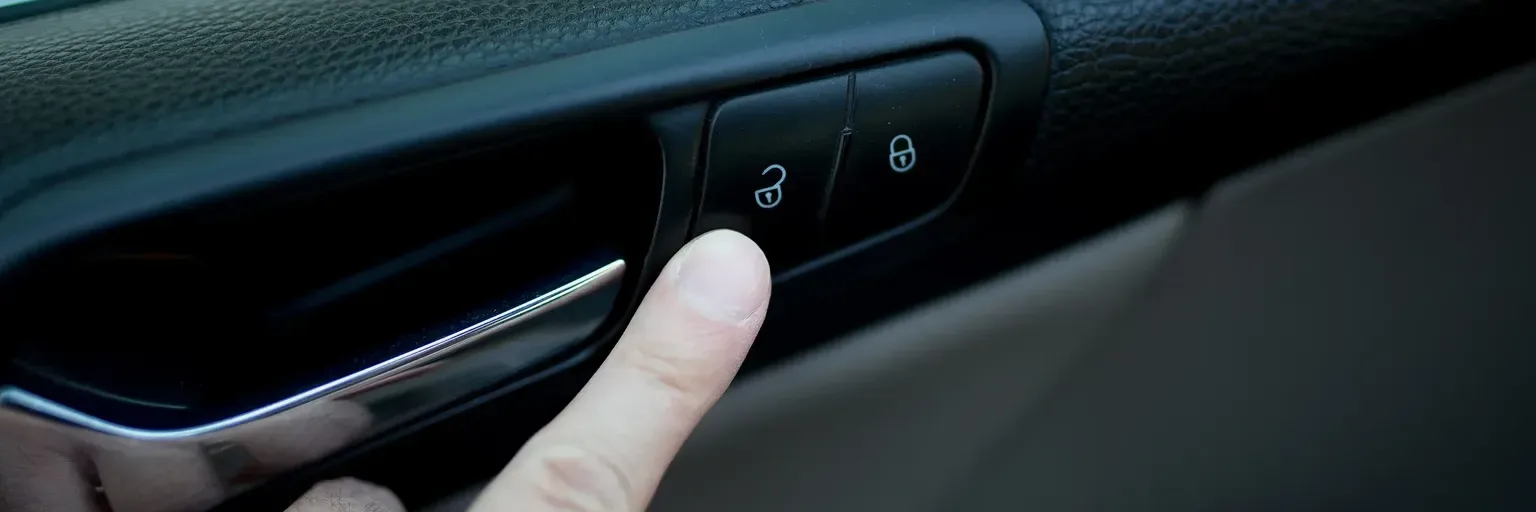
When EVs Trap Occupants: The Hidden Dangers of Electronic Doors
The automotive industry's push for sleek electronic door systems in electric vehicles has introduced a critical safety vulnerability: the risk of occupants becoming trapped during power failures or crashes.