When EVs Trap Occupants: The Hidden Dangers of Electronic Doors
The automotive industry's push for sleek electronic door systems in electric vehicles has introduced a critical safety vulnerability: the risk of occupants becoming trapped during power failures or crashes.
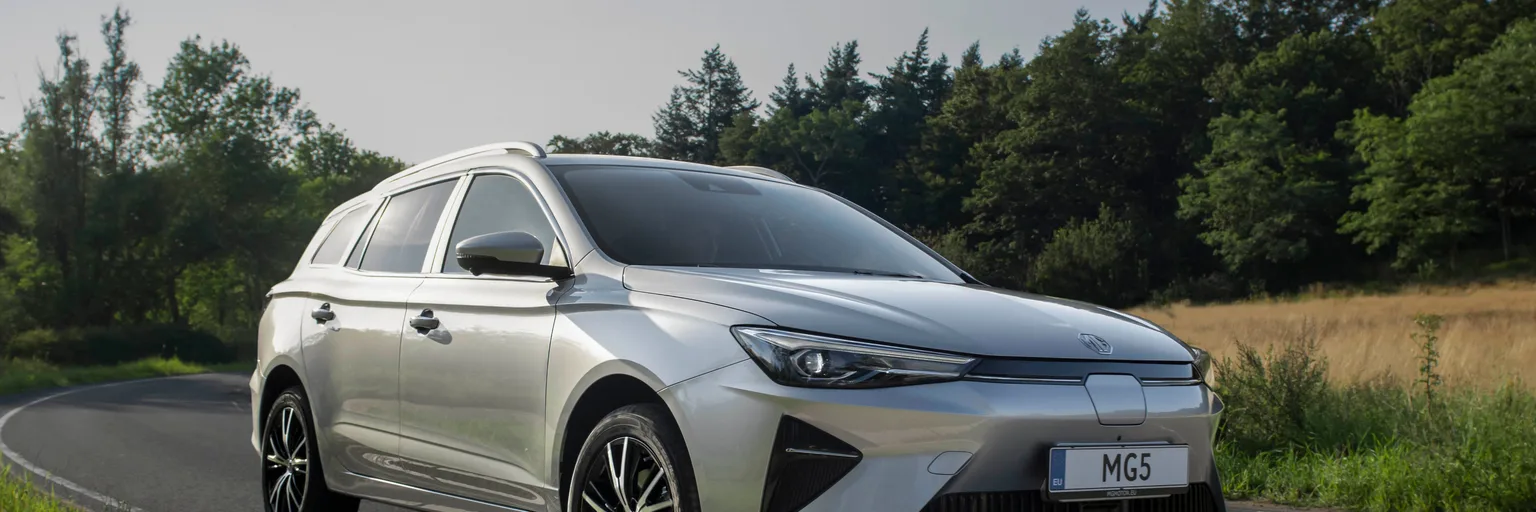
Photo: Nenad Stojkovic / Wikimedia Commons (CC BY 2.0)
Sleek, futuristic, and efficient, modern electric vehicles often boast advanced designs, including flush electronic door handles and sophisticated powered latches. Yet, this pursuit of digital convenience and aerodynamic elegance has introduced a critical safety vulnerability: what happens when the power fails? A growing number of reports suggest this isn't merely a hypothetical scenario, but a real-world problem with serious consequences, especially when occupants become trapped after a crash, battery failure, fire, or water intrusion.
Regulators and consumer advocates are taking note. The National Highway Traffic Safety Administration (NHTSA) announced in August 2026 its intent to begin a rulemaking process in the U.S. following reports of drivers and passengers becoming trapped after electrical power was lost during crashes. Similarly, the U.S. Fire Administration (USFA) has urged EV owners to proactively learn about their vehicle's manual release systems, acknowledging that electronic systems may not work normally in an emergency. This chorus of concern underscores a systemic challenge that the automotive industry must urgently address.
The Peril of Progress: When Electronics Fail
Modern automotive design, particularly in electric vehicles, often prioritizes aesthetics and aerodynamic efficiency. Flush, electronic door handles that deploy on command are a prime example, reducing drag and contributing to an uncluttered look. However, this pursuit introduces a fundamental vulnerability. As Bloomberg reported in November 2025, the problem of electronic door failures has spread beyond initial concerns with Tesla to include models from Ford and Volkswagen. Consumer Reports highlighted in January 2026 that replacing traditional mechanical latches with complex electronic versions, controlled by motors and buttons, creates a situation where power loss renders them useless.
The consequences can be dire. Bloomberg investigations found 140 reports of occupants trapped in Tesla vehicles with electronic door handles, some resulting in severe injuries, and 15 deaths in crashes where the doors would not open. High-profile incidents include a Tesla driver who died in a burning vehicle in Miami in October 2025, and a Cybertruck driver who reported he "tried to open the door and the door wasn't opening" after a June 2025 crash, leading to an induced coma. In another instance, Canadian authorities investigated an October 2024 Tesla crash in Toronto where witnesses were unable to open the vehicle's doors from the outside, resulting in four fatalities. Even an October 2024 recall by Volkswagen temporarily halted ID.4 EV sales due to doors that could open if electronic handles got wet.
The Imperative of Intuitive Manual Releases
While almost all vehicles with electronic door systems include a manual release, their location and operation often vary significantly by manufacturer, model, year, and even seating position. Some rear-seat emergency releases may be difficult to see or access, potentially hidden under covers, behind trim panels, or requiring non-obvious levers or cables, as the USFA cautions. This lack of standardization and intuitive design poses a critical challenge in emergencies, where seconds can make the difference between life and death.
Vehicle owners and passengers are urged to consult their owner's manual before an emergency to locate and practice using these mechanisms. The simple electronic button or handle may not work if the vehicle loses power, and assuming every door works the same way could be a fatal mistake. For responders, this issue adds complexity to extrication, requiring additional training on diverse door designs and forcible entry techniques.
Global Pressure for Safer Doors
The growing concerns have prompted action globally. China's Ministry of Industry and Information Technology has mandated that, starting January 1, 2027, all car doors (except the tailgate) on new vehicle type approvals must feature mechanical unlocking mechanisms both inside and out. This regulation also prohibits electrically extending or manually foldable flush door handles, instead requiring exterior recesses for hand grips, akin to classic handle designs. Existing models have until January 1, 2029, to comply. Additionally, interior controls must be labeled and, if not self-explanatory, include illuminated symbols or signs explaining their operation, visible in the dark or during emergencies.
Europe's consumer protection program, Euro NCAP, is also adapting its assessment system for 2026. It will specifically test whether doors open reliably after a crash, evaluating not only the necessary opening force but also automatic unlocking and handle functionality after a power loss. This increased scrutiny aims to ensure quick access for rescue services and occupants alike. Experts like Kirstin Zeidler, head of Germany's Accident Research of Insurers (UDV), assert that purely electric opening handles are dangerous and that anything delaying self-rescue or aid is fatal. Manual releases must be clearly recognizable and intuitively operable for all, under stress, in darkness, or smoke.
Manufacturers are already responding to this pressure. Volvo, for instance, has signaled that its "Winglet" solution for the EX60 SUV, which uses small fin-like grips and an electric button, will likely not be expanded to further models, despite its own safety assessment. This indicates a potential shift back towards more robust and universally accessible mechanical solutions. The automotive industry must prioritize functional safety over purely aesthetic concerns, ensuring that the convenience of modern design never compromises the fundamental ability to escape a vehicle in crisis. The future of EV safety depends on it.
No topics yet: start the first one.
More stories
Renault 5 E-Tech: Retro Charm, Premium Price Tag?
The highly anticipated Renault 5 E-Tech promised to redefine affordable electric mobility, but its initial pricing for Evolution and Techno models suggests that 'budget EV' remains a relative term.

EVs aren't just pricier upfront: unexpected costs redefine ownership
While electric vehicles are increasingly moving from secondary to primary family cars, overlooked expenses like accelerated tire wear and higher insurance premiums are shaping the true cost of ownership.

The XPENG P7+: Proof that distinct EV design isn't a myth
Challenging the common refrain that all electric vehicles blend into a single, indistinguishable form, the XPENG P7+ showcases that tech companies can indeed deliver visually striking and innovative automotive design.

MG's Goodwood Gamble: More Than Just Retro EVs
Unveiling dual concepts at Goodwood, MG strategically blends heritage with future tech, signaling a bold, multi-faceted approach to redefine its place in the fiercely competitive electric vehicle market.