MotoGP's 2027 Regulations: A Risky Gamble on Fairness and Rider Well-being
New engine rules, aero limits, and a revamped weekend format aim to level the playing field and boost spectacle, but rider concerns about workload and influence suggest a deeper tension that could undermine the sport's spirit.
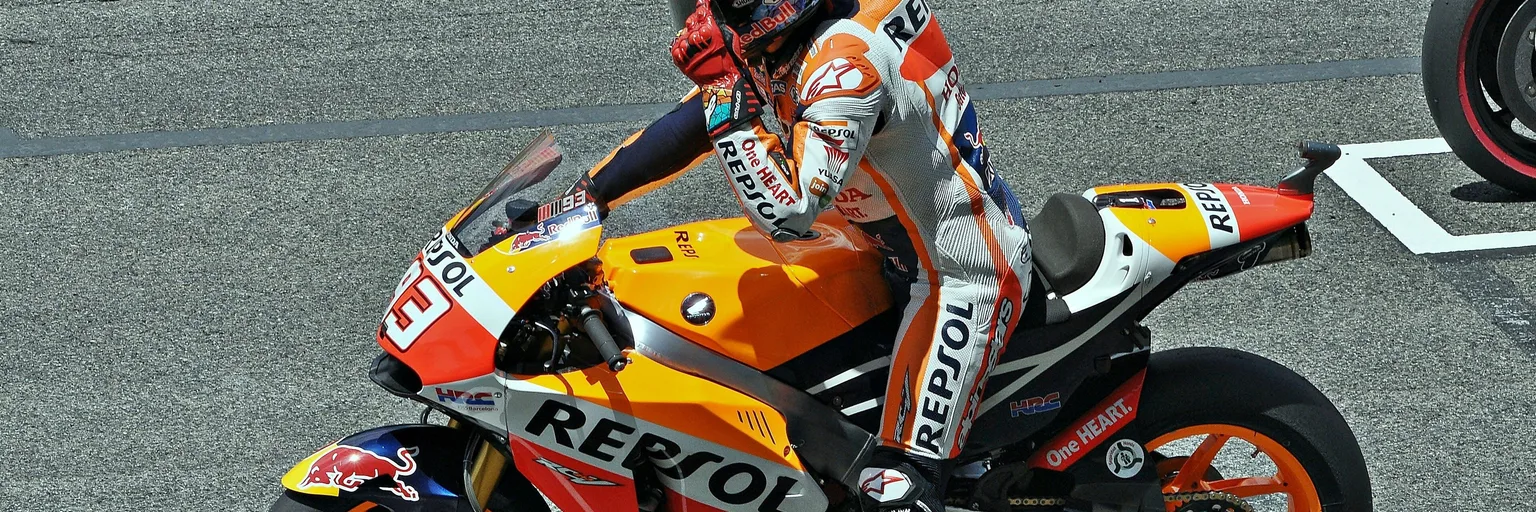
Photo: Liauzh / Wikimedia Commons (CC BY-SA 4.0)
MotoGP is on the cusp of a transformative overhaul for 2027, with a sweeping set of new regulations poised to redefine both the machinery and the race weekend format. On paper, the changes promise to enhance the spectacle and create a more level playing field, but as leading riders begin to voice their concerns, a fundamental question emerges: will these ambitious reforms truly revitalize competition, or do they risk entrenching existing power structures and alienating the very stars who make the sport thrilling?
The heart of the technical changes lies in a reduction of engine capacity from 1000cc to 850cc, accompanied by a cut in fuel tank capacity from 22 liters to 20 liters, and a total ban on all ride height adjustment devices. The influence of aerodynamics will also be reduced, alongside a shift to Pirelli as the official tire supplier. Simultaneously, the race weekend format is being radically reshaped, introducing separate qualifying sessions for Saturday's sprint and Sunday's grand prix, complete with a dedicated 15-minute sprint qualifying on Friday. Notably, Sunday's traditional warm-up session will be eliminated, replaced by a longer pit-lane opening. These shifts are meant to shake up the competitive order, yet the initial reactions from the paddock hint at a complex and potentially fraught transition.
The Illusion of a Level Playing Field
The stated goal of many of these technical regulations—reduced engine capacity, less aerodynamic influence, and the ban on ride height devices—is often cited as a move towards greater parity, theoretically bringing satellite teams closer to their factory counterparts. However, not everyone is convinced. Enea Bastianini, set to join Trackhouse in 2027, has already indicated his belief that he and Francesco Bagnaia are at a “disadvantage” ahead of the rule changes, a sentiment that suggests established factory prowess might find new ways to dominate. While Gresini Racing has optimistically stated that the new rules won't increase the gap between factory and satellite teams, history shows that major regulation changes often present a fresh puzzle that the best-resourced factory teams are quicker to solve.
No topics yet: start the first one.
More stories
Phillip Island’s Farewell: A MotoGP Title Decider Under the Southern Cross
The 2026 Australian Motorcycle Grand Prix at Phillip Island isn't merely a race; it represents a pivotal moment where championship hopes could be forged or dashed, amplified by its swansong at an iconic circuit.
Kawasaki Versys 900: Why this ADV-Tourer is more disruptive than it looks
Kawasaki’s 2027 Versys 900 enters the adventure touring segment with a potent blend of Z900 power and advanced radar tech at a price point that challenges established rivals.

Verstappen & Rossi: The Crossover That Redefines Motorsport Legends
The unexpected pairing of F1 and MotoGP legends at Portimão's GT World Challenge is more than a race; it's a testament to enduring talent and the evolving landscape of global motorsport.
MotoGP's Unseen Battles: When Tires and Regulations Decide Races
Recent events, from Marc Marquez's tire failures to the controversial pressure penalties, highlight a championship where technical limits and strategic regulations are as crucial as rider skill.