EV Adoption's Next Frontier: Charging Costs and True Economic Value Reshape the Market
As the electric vehicle market matures, consumer focus is shifting from initial range and purchase price to the practical realities of charging costs, battery performance, and their wider economic impact, forcing a re-evaluation of brand loyalty among drivers.
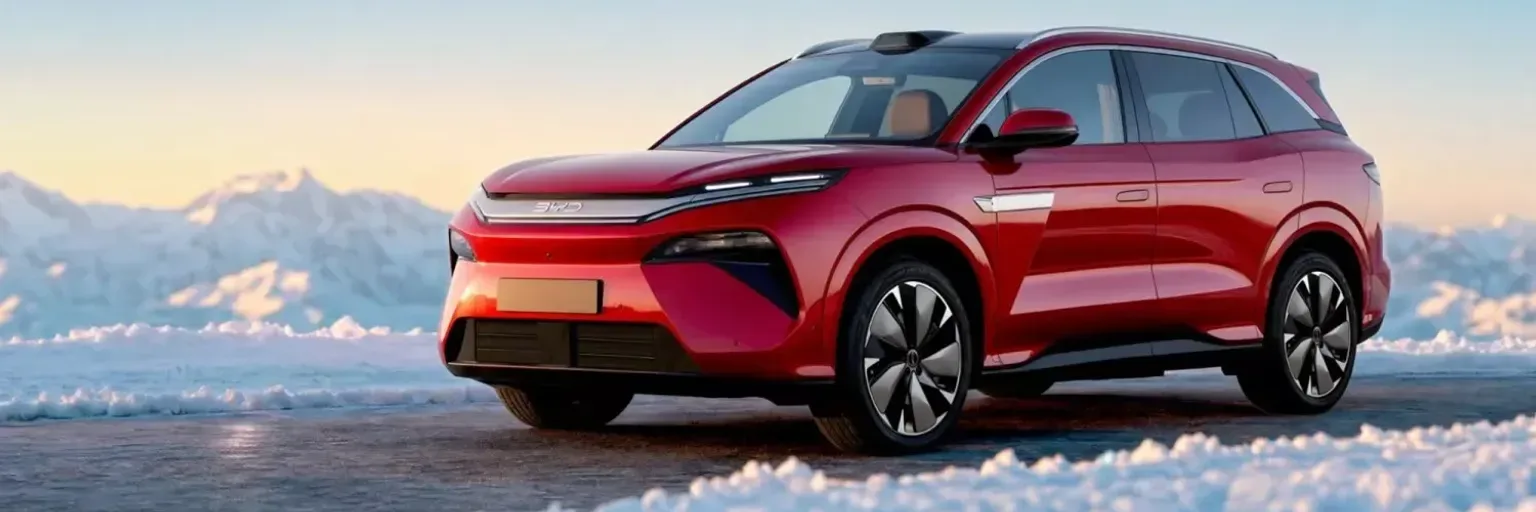
AI-generated image
Is the honeymoon over for electric vehicles? For years, the narrative around EV adoption has largely centered on two pillars: impressive range figures and attractive purchase prices, often bolstered by incentives. Yet, the conversation is undeniably evolving, moving past these initial considerations to a more nuanced assessment of real-world ownership. What we're witnessing is a maturation of the EV market, where practicalities like charging costs, actual battery performance under diverse conditions, and the broader economic implications are increasingly dictating consumer behavior and, perhaps surprisingly, brand loyalty.
This shift is evident in how consumers approach the buying process. Instead of asking "Should I buy an EV?", the primary question now is "Which features and experience do I need?" as reported by F&I and Showroom. This indicates a market no longer driven solely by early adopters, but by a broader consumer base demanding practical, reliable, and economically sensible options. The recent surge in orders for Volkswagen's new low-cost EVs, totaling more than 70,000 within months of launch as reported by EVdances, underscores this appetite for affordability and accessibility. Electrek highlights that this popularity is even influencing production shifts away from internal combustion engine vehicles at Volkswagen factories.
The Rising Burden of the Charging Bill
One of the most significant shifts impacting EV perception is the escalating cost of public charging. While early adoption was often incentivized by lower charging rates, localities are now grappling with the true "carrying cost" of providing charging infrastructure. Arlington County, Virginia, offers a stark example: the County Board is considering a proposal to increase charging rates from 17.46 cents per kilowatt-hour (kWh) to 30 cents per kWh. This represents a substantial hike, going beyond the planned 26% increase to cover higher wholesale electricity costs, and would bring Arlington's rates in line with neighboring counties like Fairfax and Prince William, according to ARLnow.
Beyond the per-kWh rate, Arlington's fee structure, last updated in December 2024, includes a "dwell fee" of $3 per hour, not to exceed $25, specifically designed to encourage turnover once vehicles are fully charged. This multilayered approach to charging costs fundamentally challenges the long-held assumption that owning an EV is always significantly cheaper than a gasoline car, especially for those reliant on public charging. For comparison, the city of Falls Church's EV charging stations provide the first hour of charging free, then charge 20 cents per kWh. Such increases mean the financial calculus of EV ownership is becoming far more complex.
Beyond the Plug: The Full Cost of EV Ownership
The rising charging costs are not an isolated incident; they are part of a broader trend of local governments re-evaluating the financial incentives for EV ownership. Arlington County's fiscal 2027 budget, for instance, equalized car tax rates between clean-energy vehicles and other types. Previously, clean-fuel vehicles enjoyed a 50% rebate, while standard vehicles received a 24% rebate on the first $20,000 of assessed valuation. Now, both types are taxed at 13% of that amount. This change will result in a tax increase of $271 for the owner of a clean-fuel vehicle assessed at $20,000, bringing their bill to $696 due in October.
This move signals a shift from subsidizing EV adoption to ensuring that all vehicle owners contribute equitably to local revenues. While electric vehicles still represent only 5% of all vehicles registered in Arlington, the number of electric and plug-in hybrid vehicles has grown by 90% in the past two years, demonstrating continued interest despite these emerging costs. However, these changes could disproportionately affect those in urban settings, where home charging might not be an option. Only 18% of apartment residents and 17% of condo/townhouse residents are "very likely" to consider purchasing an EV, a figure that is reportedly declining, according to J.D. Power. The scarcity of dedicated home charging in high-rise residential areas, often involving structured garages, remains a distinct challenge for EV drivers in places like Arlington.
The Shifting EV Landscape: Affordability vs. Infrastructure
The market's response to Volkswagen's new affordable EVs is a testament to persistent consumer demand for accessible electric mobility. People want EVs if the purchase price is right. However, the Arlington County situation highlights a critical disconnect: while manufacturers are pushing for lower entry costs, the operating costs, especially for public charging, appear to be moving in the opposite direction. This creates a two-tiered EV market: one for those with convenient and affordable home charging, and another for those reliant on public infrastructure who will face increasing expenses.
In our view, the future of EV adoption hinges less on the vehicles themselves and more on a holistic, truly affordable ecosystem. This means not just competitive MSRPs, but also stable and predictable charging costs, equitable taxation, and robust, accessible public charging infrastructure that doesn't penalize users. As initial incentives wane, consumers will scrutinize the total cost of ownership more closely than ever. For the industry and local governments, the challenge is clear: ensure the economic benefits of EVs remain tangible for all drivers, regardless of their living situation, or risk slowing the transition to electric mobility.
No topics yet: start the first one.
More stories
Why the Renault Trafic E-Tech Electric Sets a New Standard for Commercial EVs
Renault's new Trafic E-Tech Electric leverages software-defined architecture to offer unparalleled customization and over-the-air updates, setting a new benchmark for flexible commercial electric vehicles.

CUPRA Raval: incremental upgrades outsmart radical overhauls in urban EVs
The CUPRA Raval's new ABT sport pack and upcoming 2027 features prove that strategic aesthetic and technological enhancements, not sweeping changes, are key to maintaining market leadership in the urban electric vehicle segment.

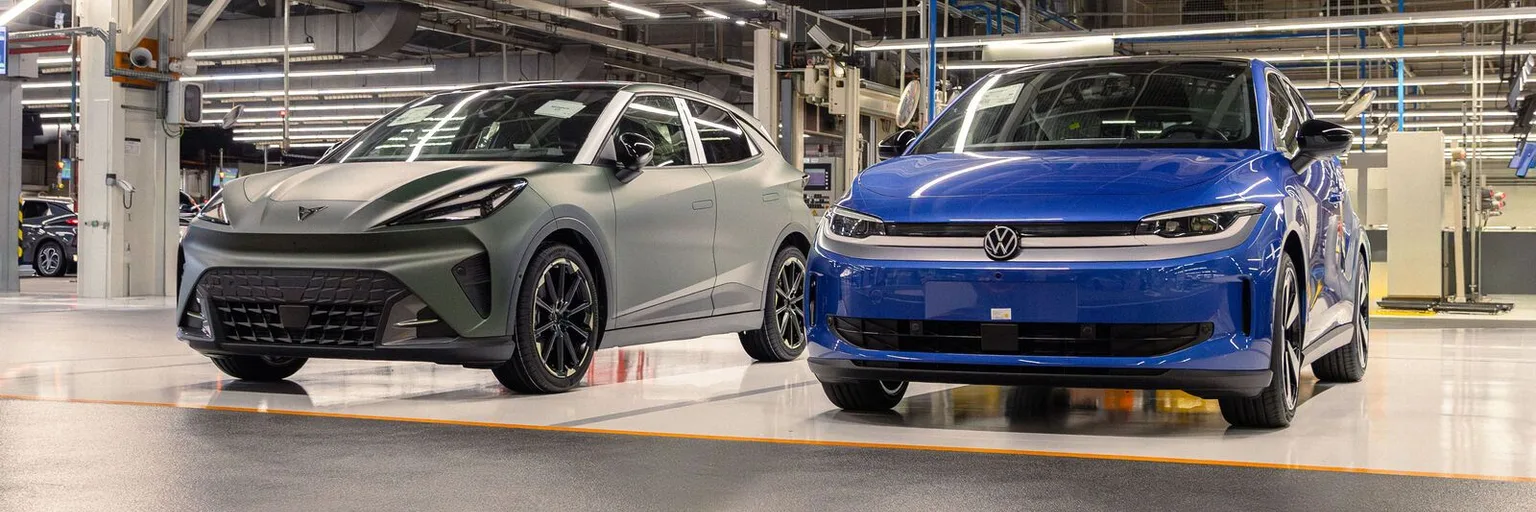
VW's Multi-Brand EV Push: A Smart Bet Against Asian Rivals?
Volkswagen Group's Electric Urban Car Family, showcasing four distinct EVs on a shared platform, signals a strategic play for market dominance and affordability in Europe.
BYD ATTO 8: A New EV Luxury Challenger Emerges in Europe
BYD's ATTO 8, unveiled in Paris with a 115 kWh Blade Battery and ultra-fast charging, signals a clear intent to disrupt the premium seven-seater electric SUV market in Europe by 2027.