Why the Renault Trafic E-Tech Electric Sets a New Standard for Commercial EVs
Renault's new Trafic E-Tech Electric leverages software-defined architecture to offer unparalleled customization and over-the-air updates, setting a new benchmark for flexible commercial electric vehicles.
Photo: Renault / sala de prensa (uso editorial)
Can a commercial van truly evolve with your business needs, much like a smartphone updates its capabilities over time? Renault seems to think so, and with the new Trafic E-Tech Electric, they are putting that philosophy at the forefront of the light commercial vehicle (LCV) market.
Unveiled at Solutrans 2025 in Lyon, France, the Trafic E-Tech Electric represents a significant step for Renault, completing its all-electric LCV range. This new generation, slated for production in late 2026, distinguishes itself not just as an electric van, but as a flexible platform designed for the future of business mobility, boasting technological updates and extreme customizability, with its Software-Defined Vehicle (SDV) architecture enabling it to evolve over time.
This fourth-generation model builds on a strong heritage, aiming to extend the Trafic's long-standing success into the electric era. It enters the market with a clear intent to dominate, emphasizing adaptability and advanced technology as its core pillars.
The “Software-Defined Vehicle” is the Real Game-Changer
The most compelling aspect of the new Trafic E-Tech Electric is its foundation on a Software-Defined Vehicle (SDV) architecture. This isn't merely a buzzword; it's a strategic pivot. A vehicle that is no longer “locked-in” when it leaves the factory but can evolve over time through over-the-air (OTA) updates significantly prolongs its value and utility. This means features like climate control or fleet management tools can be added or enhanced post-purchase, ensuring the van adapts to a business's changing demands. As Renault itself states, the SDV architecture allows main functions like the engine, safety, and connectivity to be updated by software, making the van an evolving investment. This approach provides an agility that traditional vans simply cannot match, turning a commercial vehicle into a truly scalable asset.
Power, Range, and Practicality: Built for the Grind
Beyond its intelligent architecture, the Trafic E-Tech Electric delivers on the fundamental requirements for commercial use. It offers a choice of two battery solutions: a long-range variant with NMC technology providing approximately 279 miles (450 km) WLTP, and an urban-range option with LFP battery technology offering around 217 miles (350 km) WLTP on a single charge. This dual offering is smart, catering to different operational needs and budgets, with the LFP variant promising greater affordability for city-centric businesses. Powering this is a 201 hp (150 kW) motor, delivering 254 lb-ft (345 Nm) of torque for responsive performance, a critical factor for carrying heavy loads.
Crucially, its 800V technology enables rapid charging, allowing for a 15% to 80% charge in approximately 20 minutes, minimizing downtime. With Vehicle-to-Load (V2L) and Vehicle-to-Grid (V2G) capabilities also on offer, the van becomes a mobile power source, capable of powering tools on-site or contributing energy back to the grid, adding another layer of utility for professionals. Moreover, the Trafic maintains its reputation for practicality with cargo volumes up to 5.8 m³ in the L2 version, a payload of up to 1.25 tonnes (pending homologation), and a towing capacity of 2 tonnes, all while keeping a compact 1.90m height for easy access to underground parking.
A Cockpit Designed as a Mobile Office
Inside, Renault has clearly designed the Trafic E-Tech Electric with the modern professional in mind. The cockpit features a robust, tube-shaped dashboard housing a 10-inch digital instrument cluster and a 12-inch central touchscreen, angled towards the driver for optimal usability. This OpenR evo infotainment system, with Google built-in, offers tailored navigation that considers vehicle dimensions and load to avoid unsuitable routes, along with an electric route planner suggesting optimal charging stops. The inclusion of Google Assistant and Google Play apps means a fluid, connected interface that reduces distractions and enhances productivity on the go. Furthermore, the van addresses storage needs with up to 36.7 liters of cabin storage, including a transforming middle seat that creates a mobile office workspace. This focus on an integrated, intelligent, and adaptable user experience transforms the van from a simple mode of transport into a dynamic, connected workspace.
Sustainability and Customization as Core Values
Renault's commitment extends to sustainability, aiming to include over 23% recycled materials overall, and more than 15% recycled plastics, significantly above the market average. This eco-conscious approach doesn't compromise on robustness, with black grained protective panels and laser-patterned finishes demonstrating attention to detail and durability. But perhaps the true embodiment of “extreme customizability” comes from the extensive range of certified accessories. From roof racks and wooden cargo linings to advanced security locks and smartphone holders, businesses can tailor their Trafic E-Tech Electric to almost any specific requirement. This level of bespoke adaptation, combined with the underlying software flexibility, makes the Trafic E-Tech Electric not just a vehicle, but a versatile tool kit on wheels.
In our view, Renault's new Trafic E-Tech Electric is more than just another electric van. It's a statement of intent, positioning itself as a leader in the commercial EV sector by offering a truly flexible, intelligent, and sustainable solution. Its ability to evolve post-purchase, coupled with strong performance figures and a highly adaptable design, sets a new standard for what businesses should expect from their electric commercial fleet. This is an investment that promises to keep pace with the rapid changes in both technology and business demands, making it a highly compelling option for the future of urban and logistics mobility.
No topics yet: start the first one.
More stories
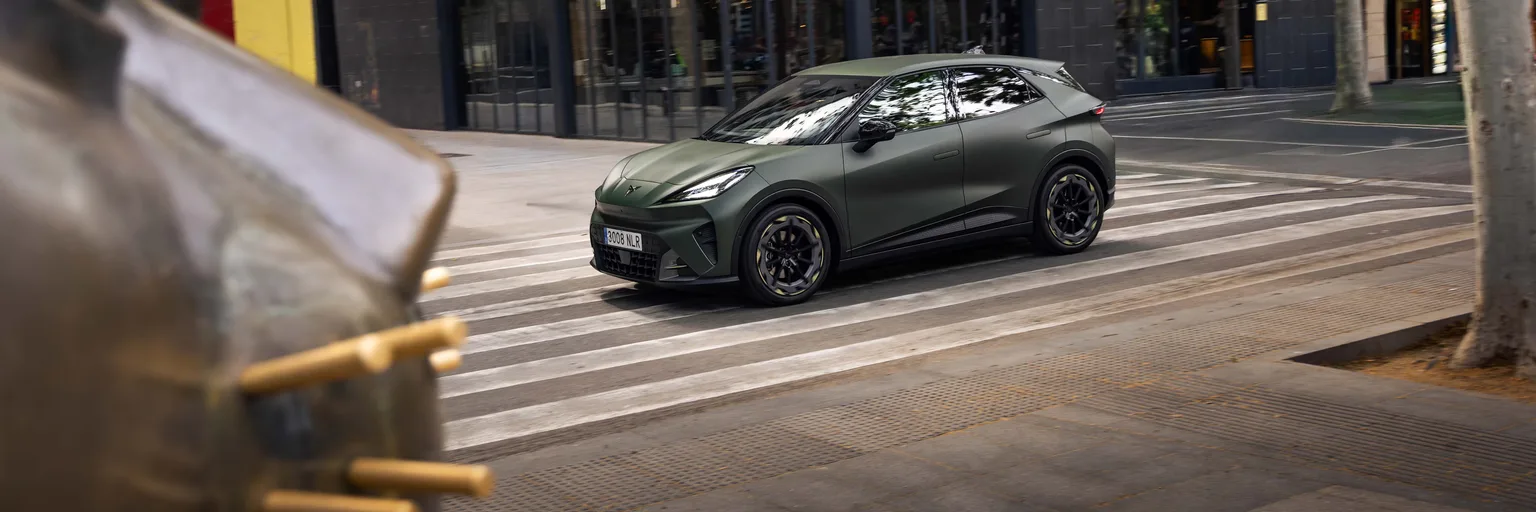
CUPRA Raval: incremental upgrades outsmart radical overhauls in urban EVs
The CUPRA Raval's new ABT sport pack and upcoming 2027 features prove that strategic aesthetic and technological enhancements, not sweeping changes, are key to maintaining market leadership in the urban electric vehicle segment.
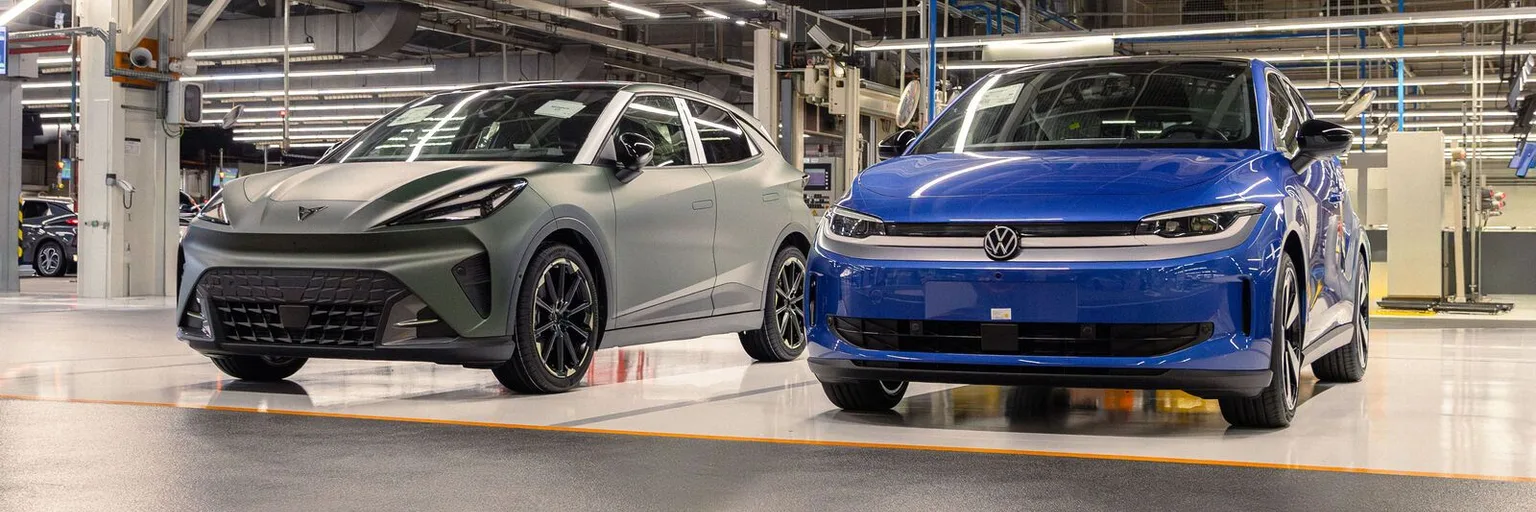
VW's Multi-Brand EV Push: A Smart Bet Against Asian Rivals?
Volkswagen Group's Electric Urban Car Family, showcasing four distinct EVs on a shared platform, signals a strategic play for market dominance and affordability in Europe.
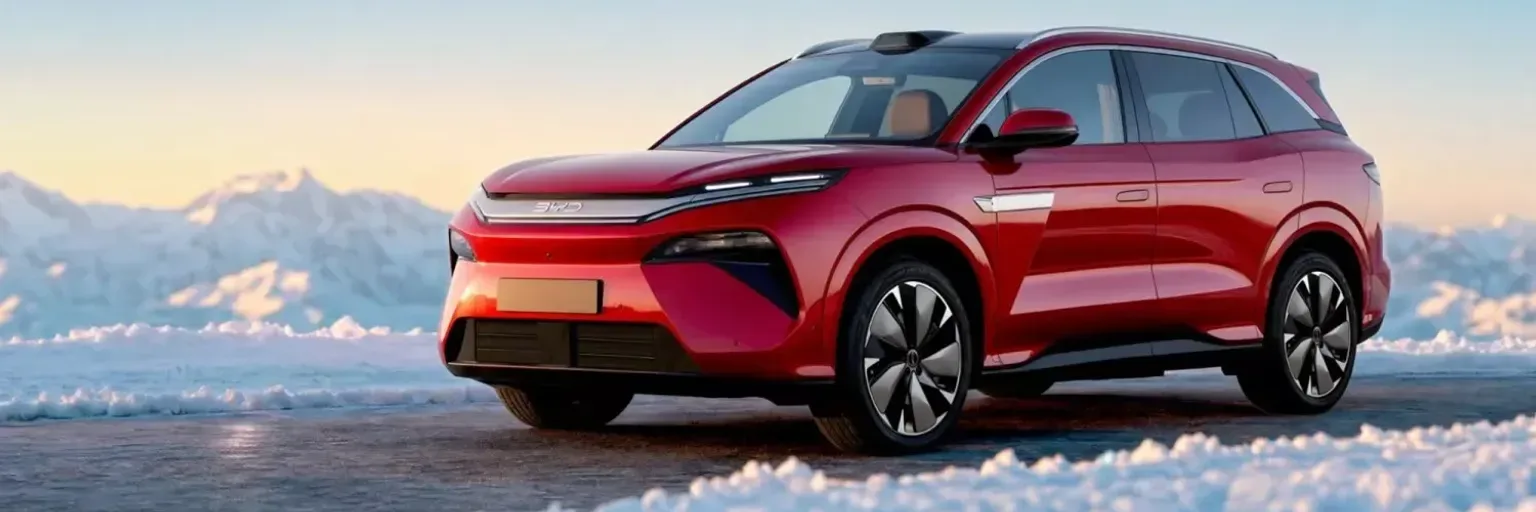
BYD ATTO 8: A New EV Luxury Challenger Emerges in Europe
BYD's ATTO 8, unveiled in Paris with a 115 kWh Blade Battery and ultra-fast charging, signals a clear intent to disrupt the premium seven-seater electric SUV market in Europe by 2027.
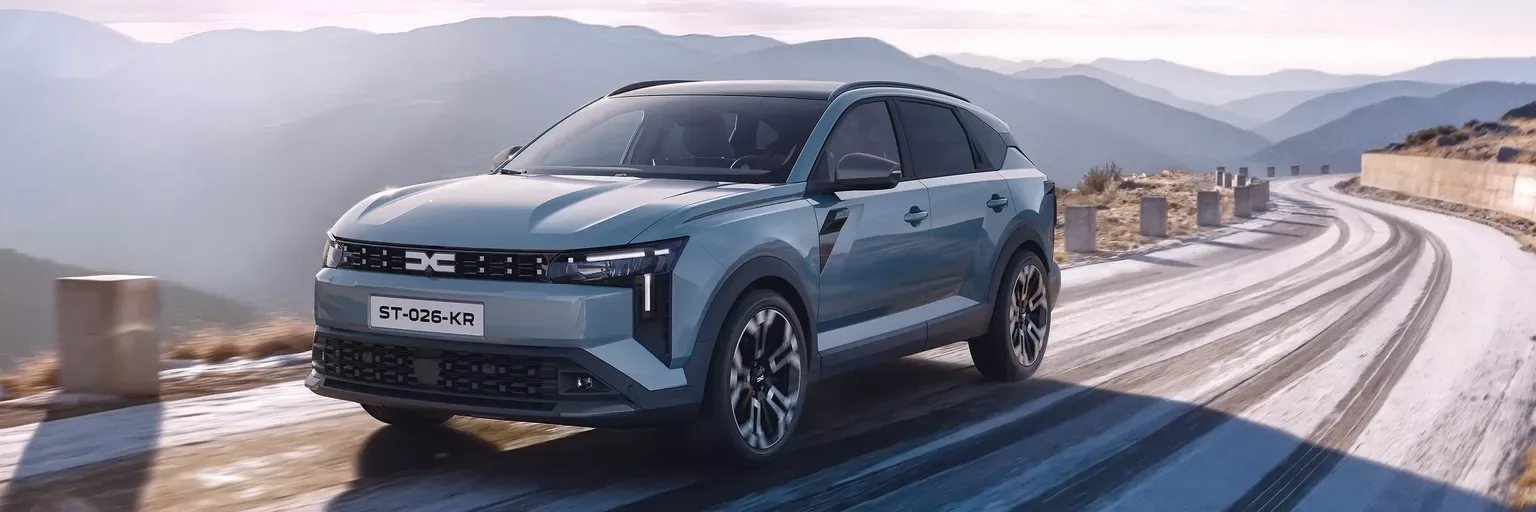
Dacia's Smart Move: Challenging EV Luxury with Affordable Essentials
By refining its budget-friendly electric Spring and launching the versatile Striker, Dacia is poised to redefine value in the C-segment, offering practical alternatives to increasingly expensive vehicles.