Huawei's Luxury EV Nightmare: What a Snapped Pedal Means for Safety
The repeated brake pedal failures in Huawei’s high-end Maextro V800 during emergency tests expose critical questions about rapid development and quality control, potentially undermining trust in cutting-edge automotive technology.
AI-generated image
Can a luxury electric vehicle, priced for its premium technology and comfort, genuinely claim to be cutting-edge when it repeatedly fails a fundamental safety test like emergency braking? This is the critical question posed by the recent controversy surrounding the Huawei-backed Maextro V800, an incident that casts a long shadow over the rapid ascent of new players in the high-end EV market.
Just days ago, on October 8, 2026, Chinese automotive media outlet Dongchedi published findings from a series of closed-course tests involving three Maextro V800 models. Each vehicle was subjected to emergency braking from 100 km/h to a complete stop. The results were alarming: the brake pedal support fractured on the third attempted stop for the first vehicle, the fourth for the second, and critically, on only the second stop for a third, brand-new vehicle with just three kilometers on the odometer. In all cases, the pedal became inoperable, forcing testers to engage the 'P' (Park) gear as an emergency measure. This extended stopping distances dramatically, from an approximate 38 meters with functional brakes to around 140-151 meters, a terrifying prospect in a real-world emergency situation, as detailed by Les Numériques.
Maextro, a joint venture between Huawei and JAC, initially asserted that its braking system met and even exceeded national and industry standards, dismissing the test conditions as “extreme and non-standard.” However, the company has since committed to a new brake design and free modifications for existing owners, a tacit acknowledgment of a significant underlying issue. This response, coupled with the 10.01% drop in JAC’s stock on October 8, highlights the severe ramifications of such safety concerns.
The Fundamental Flaw: Beyond "Extreme Conditions"
For a luxury MPV, with a top-tier variant costing around €135,500 (or $149,700 USD), the expectation is not merely advanced infotainment or a slick user interface, but foundational engineering excellence. The Maextro V800's brake pedal failure, occurring under a force of 1,612 Newtons when the Chinese national standard mandates resistance to 2,000 Newtons for five seconds, points to a concerning design flaw. Initial analyses, as reported by Vietnam.vn and frandroid.com, suggest a combination of factors: an elongated pedal design (130 mm from its pivot point), insufficient structural support, and a weld line unfortunately placed in a zone of maximum stress. This isn't about exotic materials; indeed, an engineer noted that another car using the same plastic from the same supplier survived six full emergency stops, suggesting the material is not the issue. Instead, the problem lies in fundamental mechanical design that failed under conditions Dongchedi explicitly stated were not extreme, contrasting with Maextro's assertion.
The Peril of Speed: Unchecked Innovation?
This incident raises critical questions about the pace of development in the EV sector, particularly in China. Experts like JD Power China have observed that the automotive development cycle is shortening, with reduced time dedicated to product testing. While rapid innovation is often celebrated, it becomes a liability when safety is compromised. Maextro V800 was promoted for its “full-link redundancy” across eight major systems, including braking and steering, yet a single point of failure on the brake pedal assembly has exposed a significant vulnerability. We believe this rush to market, prioritizing advanced features and luxury over proven, robust engineering, creates a dangerous precedent. If a high-end vehicle positioned as a technological showcase can suffer such a basic failure, it suggests that foundational quality control might be taking a backseat to flashy features and accelerated timelines.
Eroding Trust: What This Means for Consumers
For consumers, the Maextro V800 debacle is more than just a recall; it's a blow to confidence in new, high-tech automotive brands. Maextro’s initial dismissal of the tests as “extreme” is unlikely to reassure owners who might encounter similar scenarios on the road. The subsequent commitment to a redesign and free upgrades, while necessary, comes only after public scrutiny. Adding to this uncertainty, various dealerships in Beijing provided conflicting information regarding the nature and guarantee of the free modifications, highlighting a lack of a unified technical procedure for customers. This inconsistent communication further erodes trust, not only in Maextro but potentially in the broader segment of rapidly emerging EV manufacturers. The fact that four Chinese ministries have since published draft rules to strengthen design requirements and testing for new vehicles underscores the systemic implications of such failures for the entire industry.
Ultimately, the Maextro V800 incident serves as a stark reminder: no amount of luxury or cutting-edge technology can compensate for a lack of fundamental safety. For the burgeoning EV market, especially those newer entrants leveraging sophisticated tech partnerships like Huawei's, this means prioritizing rigorous, real-world testing and transparent quality control above all else. Consumer trust, once lost, is incredibly difficult to regain.
No topics yet: start the first one.
More stories
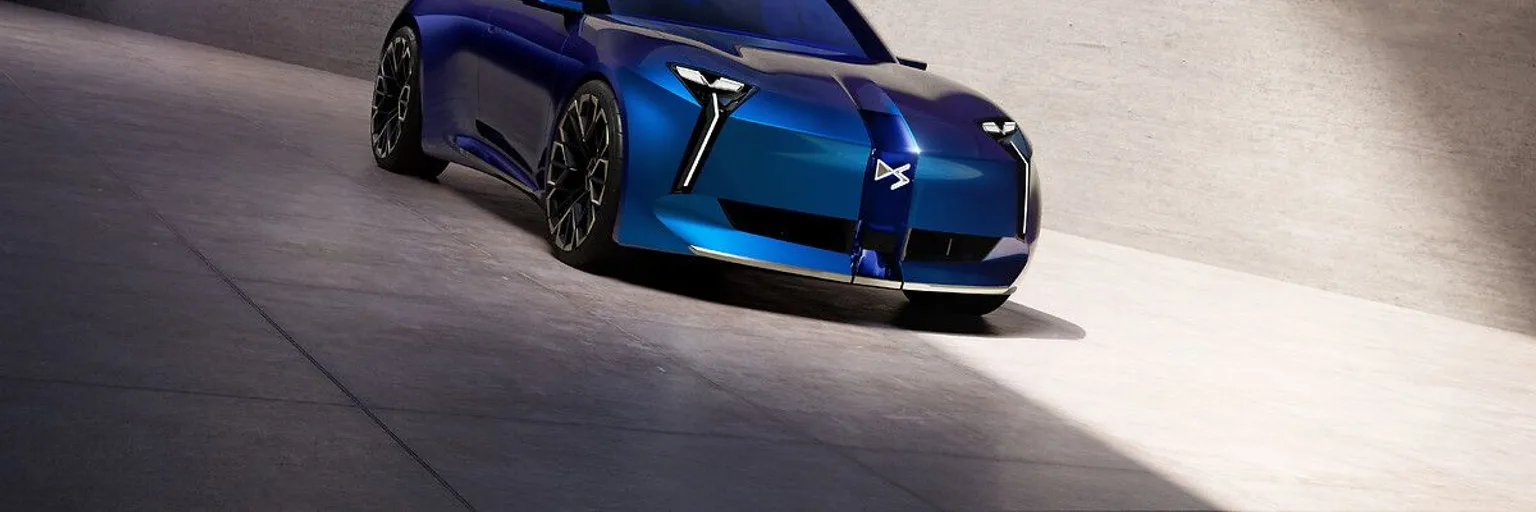
DS F3VER Concept: A Bold Design Manifesto for the Electric Age
DS Automobiles' F3VER Concept, unveiled at the Paris Motor Show, boldly redefines the brand's aesthetic with a "Design Intelligence" philosophy, setting a striking new course for its future compact EVs.
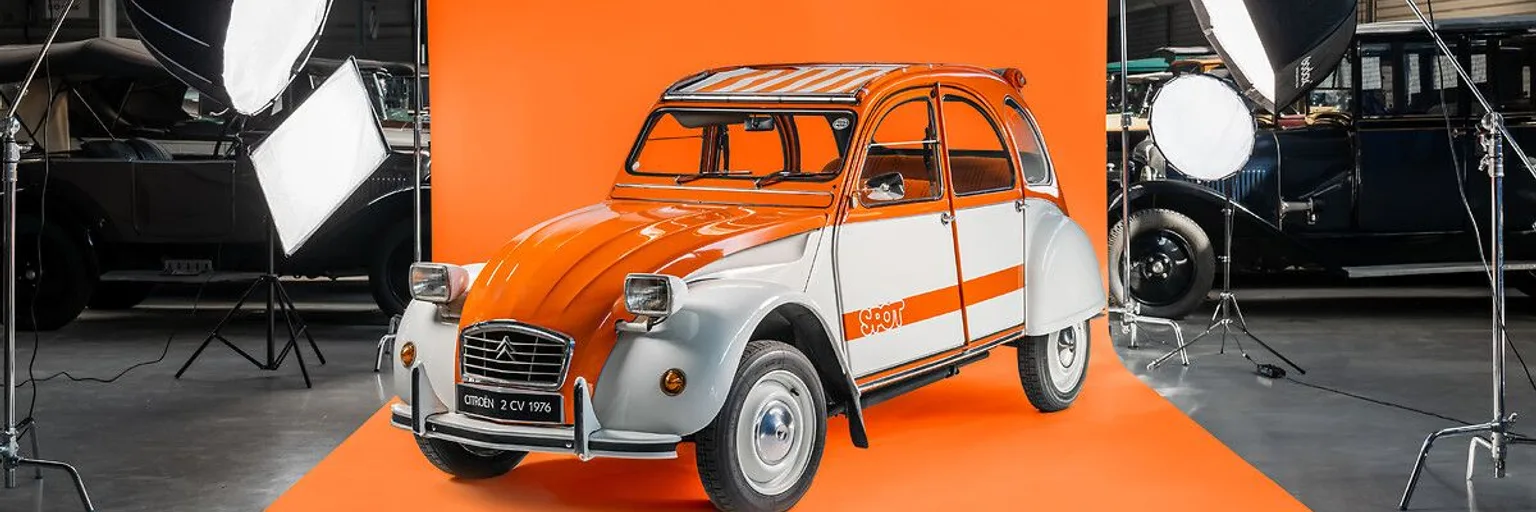
Citroën's Electric 2CV: A Smart Strategy, Not Just Nostalgia
By prioritizing the original's core philosophy of affordability and minimalism over mere retro aesthetics, Citroën's sub-€15,000 electric 2CV could redefine the entry-level EV market in Europe.
Geely in Canada: A Calculated Gambit to Reshape North American EVs
Geely's strategic entry into Canada in 2027, leveraging a new quota system, positions it as a vanguard for Chinese automakers, poised to redefine the affordable EV market across the continent.
EV Range: Why the Kia EV2 Delights While the DS N°7 Disappoints
The stark contrast between the Kia EV2's real-world range exceeding WLTP figures and the DS N°7's significant shortfall reveals a critical divide in EV consumer trust and adoption.