Tesla Model 3's Stealth Update: Evolution or Just Refinement?
Tesla has quietly rolled out a series of enhancements for its Model 3, from a larger infotainment screen to improved range and groundbreaking V2H capability; we dissect whether these are genuine leaps or merely iterative tweaks to stay relevant.
Photo: Noah Wulf / Wikimedia Commons (CC BY-SA 3.0)
In a market constantly abuzz with flashy launches and bold claims, Tesla often opts for a different approach: silent evolution. Its recent, understated refresh of the Model 3, a perennial bestseller, brings a host of updates, from a larger central screen to extended range and the introduction of vehicle-to-home capabilities. But are these enhancements a true evolution for the segment leader, or are they simply minor refinements designed to keep pace with an increasingly competitive electric vehicle landscape?
True to its pattern of continuous, often unannounced, improvements, Tesla has rolled out a series of upgrades across the Model 3 lineup. This comprehensive update, internally known as 'Highland,' was presented in August 2023 and has been available in Europe for months, arriving in North American configurators by January 2024. These changes span the interior experience, drivetrain performance, and even how the vehicle interacts with a home's power grid. The brand's most accessible sedan continues to gather features, aiming to address criticisms and build on its established strengths without resorting to a full redesign.
The updates, noted in recent reports, include an enhanced infotainment system for all variants, increased acceleration for the Model 3 Premium Long Range, and a notable boost in the Model 3 Performance's driving range. Perhaps most intriguing is the expansion of its Powerwall-integrated V2H technology, hinting at a broader vision for Tesla vehicles beyond mere transportation.
Interior Refinements: Addressing the Minimalist Critique
One of the most immediate and universally applied updates to the Model 3 is the new 16-inch central touchscreen, a subtle but significant bump from the previous 15.4-inch display. Tesla promises a "more fluid" interface and an "improved visual experience" with this new screen, which retains its central role in controlling most vehicle functions and displaying information. This improvement comes alongside other cabin refinements, such as the introduction of a black headliner across all versions, a shift from the previous lighter trim, which we believe contributes to a more sophisticated ambiance. Additionally, Premium and Performance versions now offer a Zen Gray interior option, enhancing customization possibilities. On the more radical side, the latest Model 3 iteration has notably removed the traditional stalks from the steering column; turn signals and other functions are now activated via tactile controls on the steering wheel, a testament to Tesla's unwavering commitment to minimalist design.
Performance, Range, and Efficiency Gains
The enhancements aren't confined to aesthetics and ergonomics; the Model 3 also sees tangible performance and efficiency upgrades. The Model 3 Premium Long Range with all-wheel drive now boasts a quicker 0 to 100 km/h acceleration time of 4 seconds, down from 4.4 seconds, an impressive gain that solidifies its performance credentials. For those prioritizing range, the Model 3 Performance now claims an extended autonomy of 600 km according to WLTP standards, making it particularly attractive for a version focused on sporty performance. These improvements are underpinned by a reduced drag coefficient, now at 0.219, making the Model 3 the most aerodynamic Tesla when considering its total surface area, thus contributing to lower energy consumption. Further technical advancements include a stiffer chassis and adaptive dampers, contributing to more precise handling, which should translate to a more refined driving experience compared to previous iterations.
Beyond Driving: The Promise of V2H Technology
Perhaps the most forward-looking update is the extension of Tesla's Powershare technology to the Model 3 and Model Y. This Vehicle-to-Home (V2H) functionality allows the energy stored in the car's battery to power a household, for instance, during a power outage. Tesla has confirmed that all Model 3 vehicles ordered in the United States and Puerto Rico since October 1, 2026, are compatible, with some previously produced cars also capable of utilizing the feature. For home operation, the system requires a Powerwall stationary battery and a compatible Tesla charging station, offering up to two days of backup power based on average U.S. household consumption. While its availability is currently limited (not confirmed for France, for example), this bidirectional charging capability positions the Model 3 as more than just a means of transport; it becomes an integral part of a resilient home energy ecosystem.
Ultimately, these updates for the Tesla Model 3 demonstrate a brand that, while not always announcing its moves with fanfare, is constantly refining its products. From a larger, more responsive screen to enhanced performance, extended range, and the integration of V2H technology, these are more than just minor tweaks. They represent a significant evolution aimed at keeping the Model 3 at the forefront of the electric vehicle market, addressing key criticisms, and expanding the vehicle's utility beyond mere mobility.
No topics yet: start the first one.
More stories
Volvo's Bold EV Bet: EX90 and ES90 Redefine Swedish Luxury
With the EX90 SUV and ES90 sedan now making their market debut, Volvo doubles down on premium electric mobility, but their true impact relies on convincing buyers that cutting-edge tech and Scandinavian design justify the high price tag.
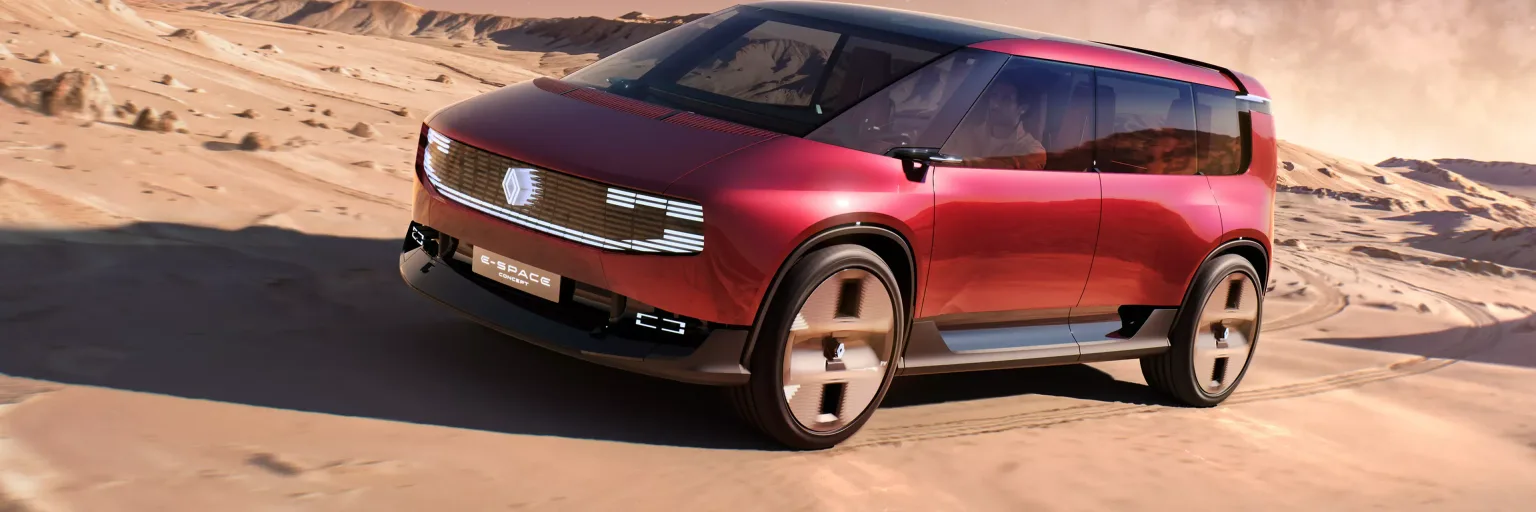
Renault E-Space Concept: Is the MPV Truly Back to Challenge the SUV?
Renault's E-Space Concept challenges the SUV reign by re-imagining family mobility as an electric 'car for living,' prioritizing generous interior space and modularity.
BYD Dolphin Mini's Tire Troubles: A Hard Lesson in Localization
Despite its surging popularity, the BYD Dolphin Mini's persistent tire availability issues in Brazil reveal how easily a seemingly minor component choice can create significant hurdles for global EV success.
Smart #2: Can a Return to Roots Reignite Urban EV Passion?
The Smart #2, unveiled at the Paris Auto Show, aims to recapture the brand's original compact city car ethos with an affordable electric offering, but faces stiff competition in a crowded EV market.