Beyond Range Anxiety: The Unseen Hurdles for Affordable EVs and Motion Sickness
The electric vehicle transition faces complex new challenges, from delivering truly affordable models like the Ford Fathom to overcoming overlooked passenger motion sickness, demanding innovative solutions beyond traditional range and charging concerns.

For years, the narrative surrounding electric vehicles has been largely one of inevitable triumph: a cleaner future, lower running costs, and cutting-edge technology. With gas prices consistently high and environmental concerns pressing, the appeal of ditching the pump for a plug has never seemed stronger. Yet, beneath this seemingly smooth transition, a series of nuanced and complex challenges are emerging, revealing that the path to a fully electric world is far more intricate than initially projected.
From the surprising struggle to produce truly affordable models to overlooked passenger discomfort, these growing pains suggest that the industry is still grappling with the practicalities of widespread EV integration. We are moving beyond the initial anxieties about charging infrastructure and battery range, only to uncover a new set of hurdles that demand innovative solutions.
The Elusive Promise of Affordable EVs
The market has long yearned for an affordable, practical electric pickup, and Ford's upcoming Fathom™ promises to answer that call with a starting MSRP of $28,350 when pre-orders begin in early 2027, as Ford's official site confirms. Positioned as a midsize electric truck, the Fathom aims to fit comfortably into everyday life, potentially being Ford's most convincing answer to widespread EV adoption, according to jclewisford.net. Its anticipated arrival is noted as early as 2027, with spy shots even surfacing during real-world heat testing, as reported by Edmunds.
However, the journey to deliver this price point is proving exceptionally difficult for the automotive industry. While a Ford spokesperson has stated there is no change to the Fathom's expected launch in 2027, as Motor1.com reports, the fact that its production faces challenges suggests the inherent difficulty in bringing such an affordable EV to market. This suggests that while consumer demand for budget-friendly EVs is high, the economic realities of production often clash with these expectations, potentially delaying broader adoption.
The Unseen Hurdle: EV Motion Sickness
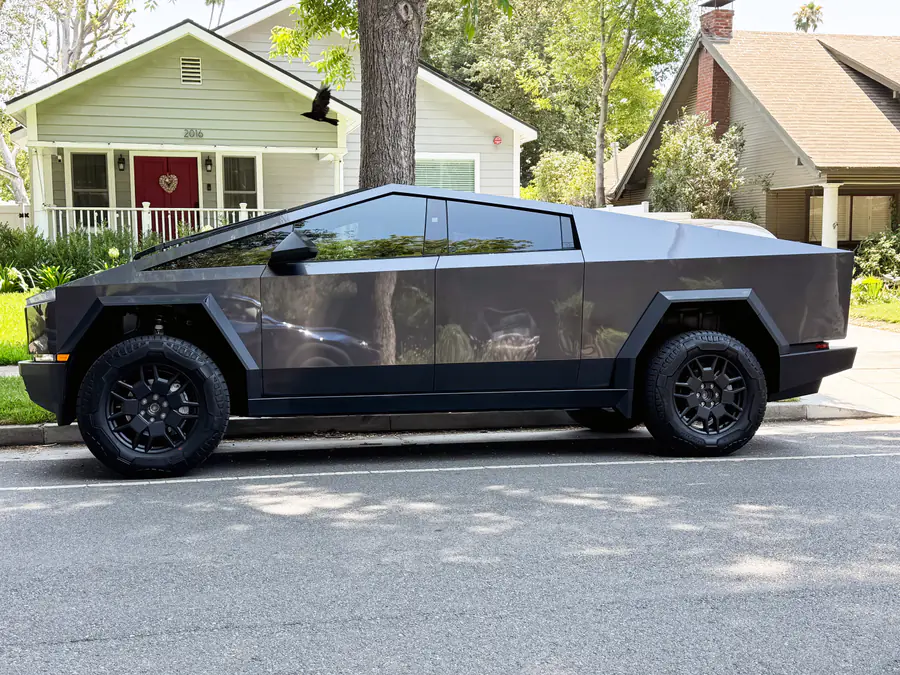
Beyond the economic challenges, a more subtle but increasingly discussed problem is the heightened incidence of motion sickness in electric vehicles. While often dismissed, studies and anecdotal evidence suggest that EVs can indeed make passengers feel more carsick than traditional gasoline cars, as publications like The Guardian and go-e.com highlight. This isn't just a minor inconvenience; it's a potential barrier to widespread family and commercial use.
The primary culprits appear to be the instant torque and strong regenerative braking characteristic of many EVs. Unlike internal combustion engines, which deliver power more gradually, electric motors provide immediate acceleration. Similarly, regenerative braking, which converts kinetic energy back into electricity, can feel abrupt and less predictable than conventional braking. The brain receives conflicting messages from the eyes, inner ear, and muscles, leading to the familiar symptoms of motion sickness, as explained by Cleveland Clinic and reinforced by insights from theentdr.com. Stronger regenerative braking, in particular, has been linked to increased motion sickness symptoms.
However, this is not an insurmountable problem. Discussions on Reddit's electric vehicles forum suggest that skilled EV drivers can mitigate the issue by modulating the instant torque and braking seamlessly, preventing sudden jerks that upset passengers. Researchers are also exploring technological solutions; some papers suggest using visual signals or interactive displays within the cabin to alleviate motion sickness, and even sound therapy has been proposed by Japanese researchers as a potential answer, according to the SCMP. Simple measures like proper ventilation can also offer relief, as EmeTerm points out.
Navigating the Next EV Frontier
The path to a fully electric automotive future is undoubtedly complex, extending far beyond the initial concerns of range and charging infrastructure. The ambition to deliver truly affordable models like the Ford Fathom, while laudable, highlights the significant manufacturing and economic hurdles still present. Simultaneously, addressing the nuanced issue of passenger comfort, particularly motion sickness, is becoming crucial for broader acceptance. As the industry matures, overcoming these new frontiers—balancing cost-effectiveness with innovative engineering and user experience—will be paramount to unlocking the full potential of electric vehicles for everyone.
No topics yet: start the first one.
More stories
GM's EV Woes Reveal Market Challenges, Tesla Shows Resilience
General Motors' significant Q3 EV sales slump highlights a challenging market for legacy automakers, contrasting sharply with Tesla's ability to maintain stable deliveries, suggesting a bifurcated path for EV adoption.